Well report No. RR-6159 · T5N · R26W · SEC 29 · filed September 30, 2026
Upstream Drilling & ProductionWell report
US Auctions Contested Arctic Acreage for Oil Drilling
The Trump administration has auctioned contested Arctic lands for oil drilling, Inside Climate News reports, reviving a frontier basin shadowed by litigation, permitting risk and subsistence disputes.
Field notes
- The Trump administration auctioned contested Arctic lands for oil drilling, Inside Climate News reports.
- The acreage sits in a region long disputed by environmental groups, Alaska Native organizations and subsistence users.
- Any tracts awarded face litigation risk, multi-year permitting and long lead times before exploration or production could begin.
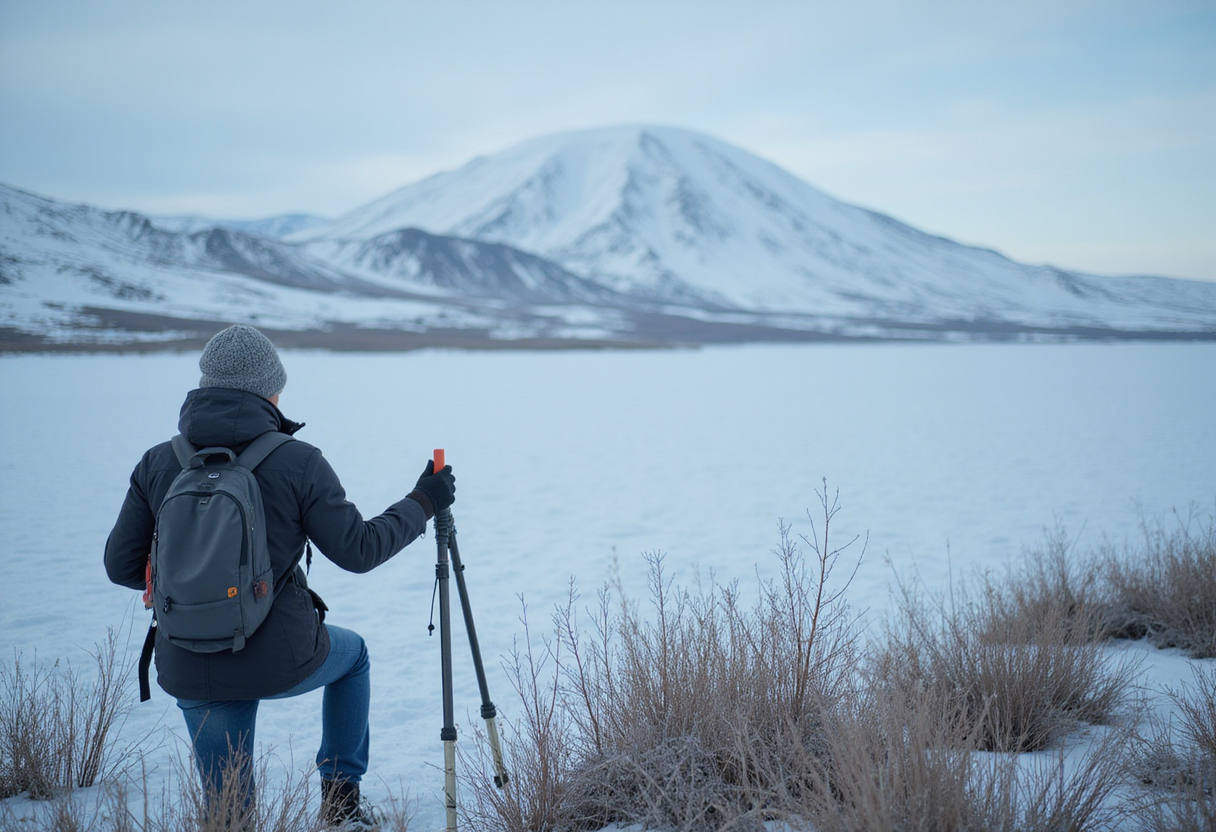
The Trump administration has auctioned contested Arctic lands for oil drilling, Inside Climate News reports, moving acreage in one of the most disputed frontier basins on the North American shelf into industry hands.
The sale marks the latest step in a renewed push by the administration to open federal Arctic acreage to exploration and development. The lands on offer sit within a region that has drawn sustained opposition from environmental groups, Alaska Native organizations, and subsistence users, all of whom have argued that drilling threatens caribou herds, waterfowl habitat, and the communities that depend on them.
For upstream operators, the auction reopens a frontier that carries both geological promise and outsized execution risk. Arctic Alaska remains one of the few onshore regions in the United States where undeveloped conventional prospects of scale still exist. It is also among the most expensive places on the continent to drill, with short seasonal windows, limited infrastructure, and long lead times from lease acquisition to first production.
Any tracts awarded in the sale would sit years from producing a barrel. Operators would first need to secure drilling permits, complete seismic and exploration programs, and — if prospects prove commercial — sanction development plans that in Arctic conditions typically require gravel pads, extended-reach wells, and in some cases roads or ice infrastructure. The gap between a lease sale and first oil in this environment has historically run from five to ten years, depending on permitting pace and project scope.
The auction also revives a legal and regulatory battleground. Prior attempts to lease Arctic lands in the current and previous administrations drew immediate court challenges, and the tracts offered in this sale face the same prospect. Environmental organizations have repeatedly contested the adequacy of the environmental reviews underpinning Arctic lease sales, and litigation has delayed — and in some cases vacated — earlier offerings. Any bidder weighing the acreage must therefore discount for the possibility that its leases could be suspended or invalidated before a rig ever moves onto location.
The word "contested" attached to these lands reflects that history. The acreage lies at the intersection of competing claims: the federal government's leasing authority, the interests of Alaska Native communities and regional corporations, and conservation mandates that cover designated wilderness and wildlife areas adjacent to or overlapping the lease boundaries. Inside Climate News, which first reported the auction, has covered the long-running disputes over Arctic leasing in detail.
Industry interest in Arctic federal acreage has waxed and waned with the price cycle. Major operators have scaled back their Alaska frontier ambitions over the past decade, concentrating capital in lower-cost shale and Permian-style unconventional plays. What demand the sale attracted — and from which companies — will shape whether the auction translates into an active exploration program or leaves the tracts held by speculators awaiting a partner or a higher price deck. Lease sale results, including bonus bids and acreage awarded, are the first indicator to watch.
The policy signal is nonetheless clear. The administration has prioritized expanding access to federal lands for energy development, and Arctic Alaska sits near the top of that agenda. Each additional sale adds to the inventory of leased acreage that a future administration could find difficult — though not impossible — to withdraw from development once leases are issued and held by production or diligent-effort requirements.
The counterweights remain substantial. Litigation risk, permitting timelines, capital costs in a harsh operating environment, and unresolved conflicts with subsistence and conservation interests all stand between this auction and any measurable addition to US oil supply. Analysts' views differ on whether Arctic leases will attract committed exploration dollars at current price levels, a judgment that belongs to the market rather than the lease sale itself.
The watch items from here: the release of the sale's final results showing which tracts drew bids and at what bonus levels; the first permits to drill sought by any lessee; and the court filings that will almost certainly follow as opponents move to challenge the sale's underlying environmental review. First production from any of this acreage, if it comes at all, remains a next-decade question.
via Google News: Oil drilling and production (Source)
More from Priya Raman
Show full bio
Senior reporter covering media and advertising at Rig & Refinery.
113 articles
Adjoining reports
- US Appeals Ruling That Halted Alaska Drilling in Caribou Area
- Trump Allies Linked to Greenland Oil Drilling Plan, Newsweek Reports
- White House Moves to Accelerate Alaska Drilling Approvals
- EU Holds Line Against New Arctic Oil Drilling
- California Group Campaigns Against Offshore Drilling, Targeting Trump