Well report No. RR-4110 · T2N · R23W · SEC 14 · filed November 18, 2026
Energy Transition in OilWell report
US coal burn falls 10%, putting power emissions on track to drop
US coal burn dropped 10% through July and coal capacity factors slid to 46.7%, putting energy-related emissions on track to fall 2% this year, Energy Innovation's federal-data analysis shows.
Field notes
- US coal consumption fell 10% through July 2026, per Energy Innovation's analysis of federal data.
- Coal capacity factors averaged 46.7% through August, down from 49.7% a year earlier.
- US energy-related emissions are on track to fall 2% this year after rising 2.4% in 2025.
- Large-scale solar generation is projected up 21%; solar outproduced coal in May for the first month ever.
- The coal fleet stands at about 167.5 GW, down 1.6% this year, Robbie Orvis said.
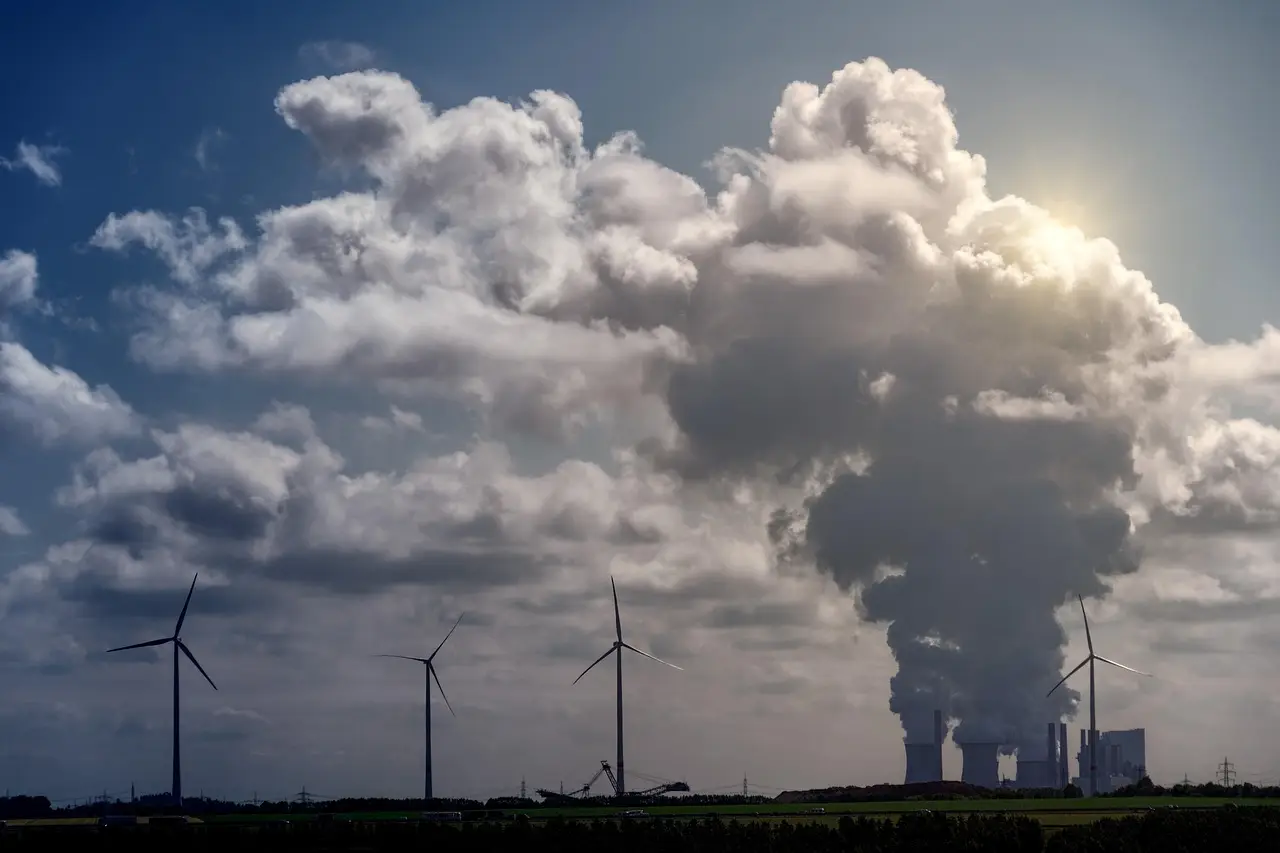
US power plants burned 10% less coal through July, and the decline puts the sector on track for a 2% reduction in overall US energy-related emissions for the full year, according to an analysis of federal data by think tank Energy Innovation.
The drop marks a reversal from 2025, when coal generation climbed 13% and pushed economy-wide emissions up 2.4%. Analysts attributed last year's swing to a surge in electricity demand combined with unusually high natural gas prices, which made coal briefly more economic to dispatch.
That window has closed. Through August, coal plants ran an average of 46.7% of the time, down from 49.7% over the same period a year earlier. Coal consumption fell accordingly, and power sector emissions declined in the first half of the year.
For generators and fuel buyers, the read is straightforward: 2025 was a price-driven anomaly, not the start of a structural recovery in coal dispatch.
What is happening to the coal fleet itself?
The fleet has barely shrunk this year — down just 1.6%, standing at about 167.5 GW, said report author Robbie Orvis, Energy Innovation's senior director of modeling and analysis. Around 48 GW of coal capacity closed during Trump's first term, far more than in either of President Barack Obama's terms. Last year's retirements were far smaller, and federal intervention has kept remaining units online.
The Department of Energy has ordered coal plants to stay open past planned retirement dates, citing an alleged energy crisis. Those orders have burdened consumers with hundreds of millions of dollars in costs, according to the analysis, even though some of the plants are too run-down to produce any power. DOE has also announced hundreds of millions of dollars in funding for coal plants, while the Environmental Protection Agency has rolled back pollution regulations on the facilities.
Yet the kept-open units are not running harder. Capacity factors are down year on year even as electricity demand continues to soar.
The takeaway: capacity retention and actual dispatch have decoupled — staying open no longer means burning more coal.
What is picking up the load growth?
Not combined-cycle gas turbines, the large-format workhorses of the electricity sector. Through August, they ran at a slightly lower rate than last year. Overall gas consumption at power plants did rise 3.8%, indicating greater output from other types of gas facilities such as peaker plants.
The growth story sits elsewhere:
- Large-scale solar generation is projected up 21% this year, per federal data.
- In May, solar outproduced coal on the US grid for the first month ever, think tank Ember noted.
- Batteries are visibly displacing gas in high-value evening peak hours in California, Texas and other markets.
When coal use falls, gas plants hold roughly on track and renewables grow quickly, the arithmetic lands where it has so far this year: emissions decline.
Why the numbers matter for the demand build-out
The 2025 coal spike was driven by the intersection of two variables practitioners track closely — demand growth and gas prices. With gas economics normalized in 2026, coal has lost its marginal-dispatch edge, and new solar plus storage is absorbing incremental load instead.
For anyone modelling US power burn of thermal coal or gas, the 46.7% capacity factor and the 1.6% fleet contraction are the figures to carry into next year's balances.
The watch item is whether gas prices stay low enough in 2027 to keep coal's share sliding — another cold, high-priced winter would test whether 2025 was truly a blip.
via canarymedia.com (Source)
More from James Calloway
Show full bio
Staff writer covering people, launches and day-to-day practice in Oil and gas industry operations and markets at Rig & Refinery.
637 articles
Adjoining reports
- EPA Plans to Drop Clean Air Act Authority Over Power Plant CO2
- TotalEnergies Moves Oil Demand Peak Forward to 2035-2040 Window
- Global LNG growth forecast survives a shifting power mix
- Europe's Last Coal Plants Return to Profit as Gas Spikes
- Australia’s gas-fired power falls to a 25-year third-quarter low