Well report No. RR-1783 · T11N · R38W · SEC 23 · filed November 17, 2026
Energy Transition in OilWell report
Reliance Puts $1.6 Billion Into 100 Biogas Plants by 2030
Reliance will spend $1.6 billion on 100 biogas plants by 2030, lifting output from 350 t/d to 5 million cu m/d as India targets 15% gas in its energy mix.
Field notes
- Reliance plans $1.6 billion (150 billion rupees) for 100 biogas plants by 2030.
- Current output is about 350 metric tons per day from 45 plants in 10 states.
- Target is 5 million cubic meters per day of biogas from agricultural residue by 2030.
- Ten plants and 1.1 million metric tons of output are due by March 2027.
- India aims to raise gas to 15% of its energy mix by 2030 from just over 6%.
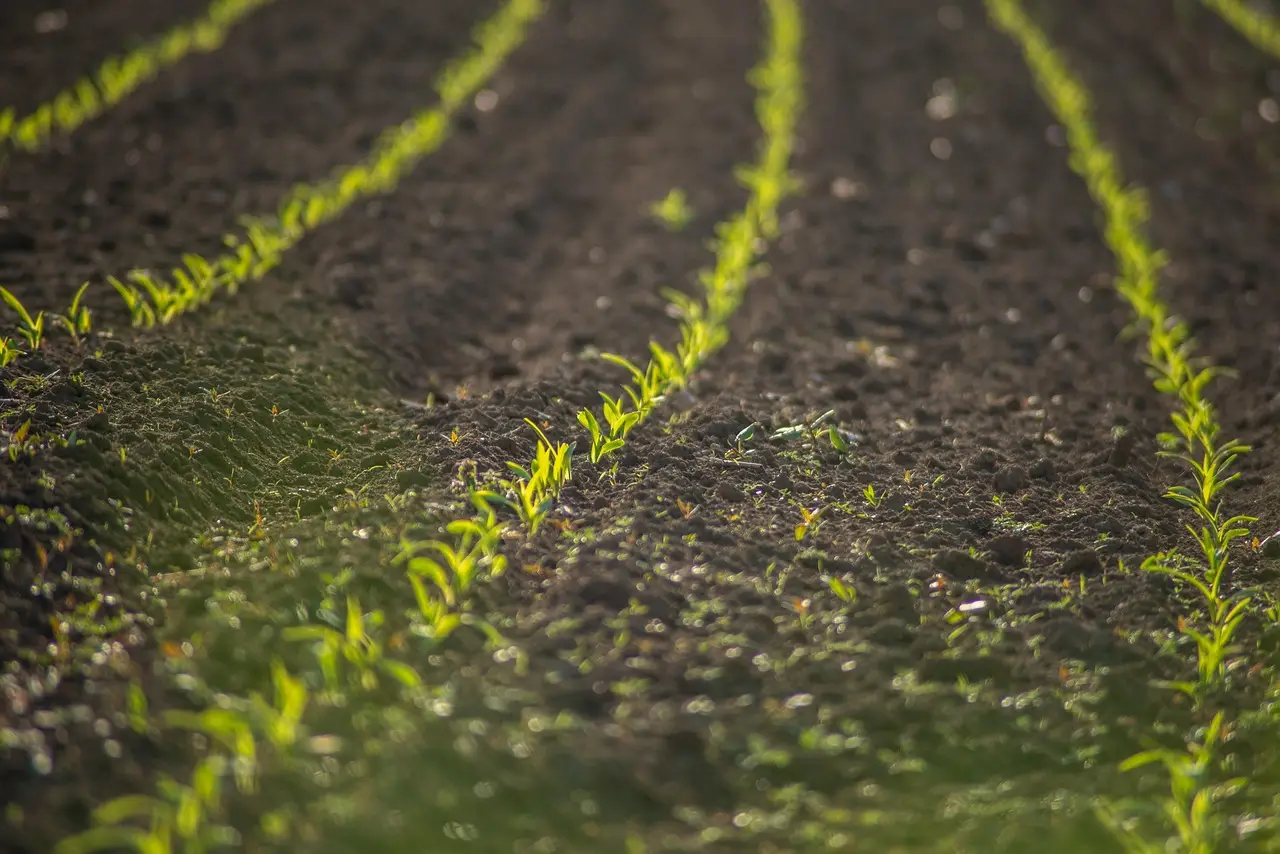
Reliance Industries plans to spend $1.6 billion on 100 compressed biogas plants across India by 2030, Vikas Rathi, chief financial officer of Reliance Bio Energy Limited, said on Tuesday. The programme, worth about 150 billion rupees, would lift the company's biogas output to 5 million cubic meters per day, fed on agricultural residue.
The target is not a modest step up. Reliance currently produces about 350 metric tons per day of biogas from 45 plants spread across 10 Indian states, according to Rathi, who spoke at an industry event carried by Reuters. Reaching 5 million cubic meters per day means multiplying current volumes by an order of magnitude within six years. The fuel is compressed biogas, or CBG, a methane product that can substitute for natural gas in pipelines and city-gas networks.
Where does the buildout start?
The first milestone sits closer than 2030. By March 2027, Reliance intends to complete 10 biogas plants and raise production to 1.1 million metric tons, equivalent to roughly 1.5 million to 2 million cubic meters per day. That near-term tranche, roughly a third of the eventual volume goal, is the sanctioned portion of the story in any practical sense. The rest remains a plan.
Feedstock dictates geography. "We have CBG plants in 10 states. Wherever agro-residue is available, we will set up the plants," Rathi said. India generates large volumes of crop residue, much of it historically burned in fields, and the biogas programme converts that liability into molecules.
The corporate logic ties back to Jamnagar. Reliance, chaired by Mukesh Ambani, operates the world's largest refining complex at the Gujarat site, and Jamnagar hosted two demonstration CBG units earlier this decade. The conglomerate says on its website that its biogas expansion supports a commitment to net carbon zero status by 2035.
How large is the market signal?
Reliance's cheque dwarfs the rest of the sector's recent commitments. India's bioenergy and compressed biogas industry drew about $342 million, or 32 billion rupees, in investment pledges at the recent Renewable Energy India Expo 2026, the Indian Biogas Association reported earlier this month. Reliance's plan alone is nearly five times that total, which clarifies who is setting the pace.
The association framed the moment in broader terms. "As India advances towards a greener and more energy-secure future, these developments highlight the importance of turning opportunities into impactful projects and sustainable growth," it said. Turning opportunity into concrete offtake contracts is the harder part, and the association did not address it.
Why gas share drives the policy?
The policy backdrop explains the urgency. India wants gas to hold 15 percent of its energy mix by 2030, up from just over 6 percent today. Domestic production has not kept pace with that ambition, and CBG from crop residue offers a renewable supply stream that does not compete with imported LNG volumes. The 2030 deadline for the 5-million-cubic-meter target aligns, not coincidentally, with the 15 percent goal.
The scale of the gap bears restating. Gas must more than double its share of the energy mix in six years. Every 350 tons per day of biogas helps, but the arithmetic demands hundreds of plants, not dozens.
What is the watch item?
Watch the March 2027 tranche. Ten plants and 1.1 million metric tons by that date would validate the feedstock model and de-risk the remaining 90 plants. A miss would mark the $1.6 billion programme as aspiration rather than schedule. Execution at the first ten sites is the verdict.
By Daniel Okafor
via oilprice.com (Source)
More from Daniel Okafor
Show full bio
Market editor covering companies, deals and strategy in Oil and gas industry operations and markets at Rig & Refinery.
596 articles
Adjoining reports
- Reliance Lines Up $4.6bn for Andhra Pradesh Coal-to-Gas Scheme
- ENGIE and CMA CGM Plan 7,000-tpa Biomethane Plant at Le Havre
- Senegal Targets 12 GW by 2050 as Oil Still Fuels 72.5% of Power
- Dangote, Ruto Break Ground on $16 Billion Refinery at Kenya's Lamu Port
- Gujarat refinery to begin polypropylene output for domestic market