Well report · filed November 25, 2026
Petroleum MarketsWell report
US crude stocks build 1.1 million bbl as refineries run at 97.5%
EIA data for week ended Nov. 20 show crude up 1.1 million bbl to 418.9 million, refineries at 97.5% of capacity, and distillate stocks 6% below the 5-year average.
Field notes
- US crude inventories rose 1.1 million bbl to 418.9 million bbl for week ended Nov. 20, 3% below the 5-year average.
- Refineries ran at 97.5% of capacity, with crude inputs averaging 17.3 million b/d, up 428,000 b/d.
- Total commercial petroleum inventories fell 2.4 million bbl; distillate stocks are 6% below the 5-year average.
- Crude imports rose 673,000 b/d to 6.2 million b/d; the 4-week average is 5.8% above year-ago levels.
- 4-week total product supplied averaged 20.8 million b/d, up 2.2% year over year.
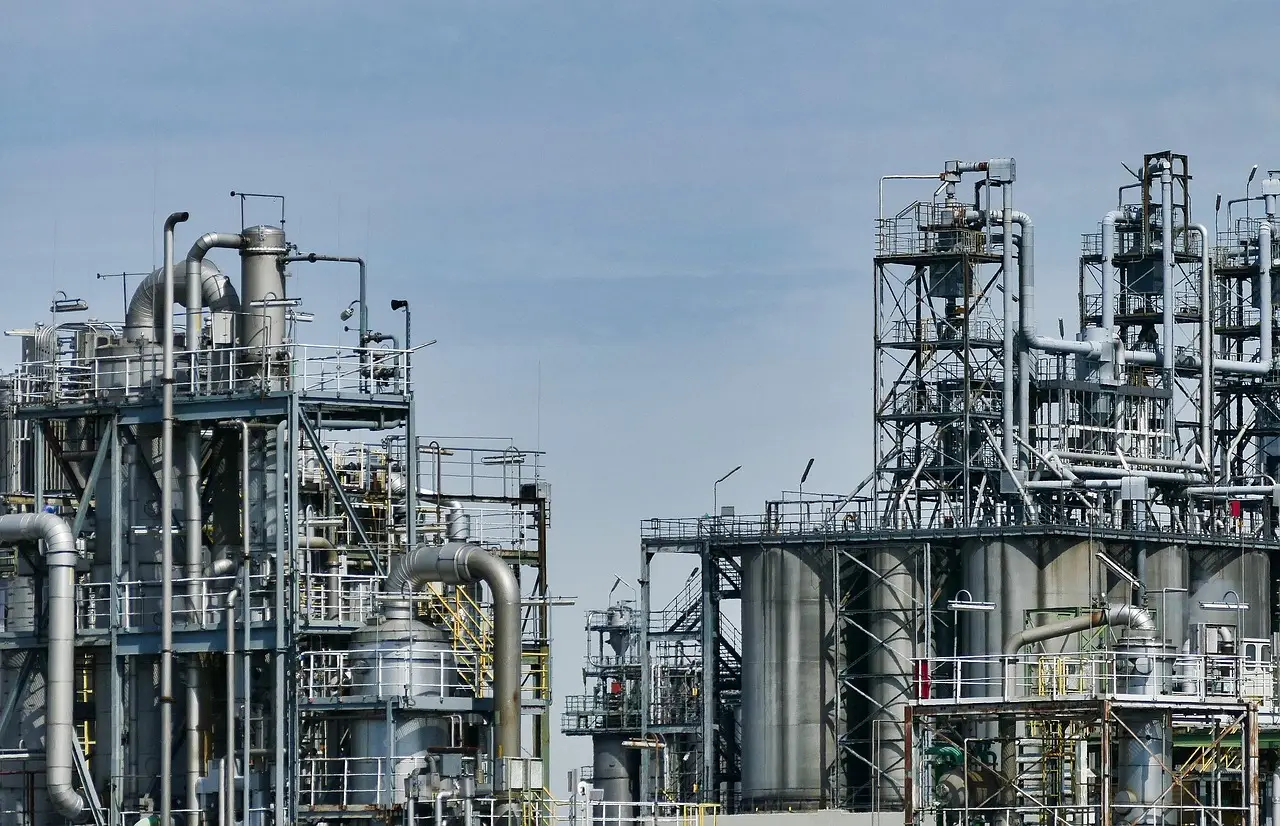
US crude oil inventories rose 1.1 million bbl for the week ended Nov. 20, the US Energy Information Administration reported. Commercial crude, excluding the Strategic Petroleum Reserve, now stands at 418.9 million bbl — still 3% below the 5-year average for late November. That is the number that moves this story: a build against a below-average base, at the start of winter.
Crude rose. Everything else, mostly, fell. Total commercial petroleum inventories dropped 2.4 million bbl across the week, because propane-propoline drew 1.0 million bbl and the refined-product picture stayed tight. The build alone does not say much. The composition does.
What did the refined product balances do?
Gasoline inventories increased 1.7 million bbl, putting them 3% above the 5-year average. Distillate inventories gained 700,000 bbl but remain 6% below the 5-year average — the tightest major category in the report. Propane-propylene fell 1.0 million bbl and sits 11% above the 5-year average.
Three categories, three directions. Read them together and the week looks like crude accumulating while heating-range products barely keep pace. The distillate gap is the one to watch heading into December.
How hard are refineries running?
Refinery crude inputs averaged 17.3 million b/d, up 428,000 b/d from the previous week's average. Refineries operated at 97.5% of capacity (utilization, the share of operable refining capacity actually processing crude). That is near the ceiling for US refining, and it frames the distillate deficit: 5.2 million b/d of distillate production could not lift stocks above the 5-year trend.
Gasoline output averaged 9.7 million b/d. High utilization, a gasoline build and a distillate stock level still below average — that combination says the system is running flat out and the heating-oil side is not catching up. Takeaway: the distillate market carries winter risk, not the crude market.
What did trade flows and demand show?
Crude oil imports increased 673,000 b/d to 6.2 million b/d. The 4-week average, also 6.2 million b/d, runs 5.8% above the year-ago level. Gasoline imports averaged 314,000 b/d. Distillate imports fell, averaging 103,000 b/d.
Demand, measured as product supplied (a proxy for consumption: refinery output plus imports minus inventory change), averaged 20.8 million b/d over the past four weeks, up 2.2% year over year. Within that:
- Gasoline product supplied: 8.8 million b/d, down 0.2% year over year
- Distillate product supplied: 3.9 million b/d, up 3.9% year over year
- Jet fuel product supplied: up 5.2% year over year
Distillate and jet demand are growing. Gasoline demand is flat-to-fading. That mix, set against 97.5% utilization, explains why middle distillates carry the tightness in this report.
What is the watch item?
The EIA released these figures for the week ended Nov. 20; the data are one week old by publication, a standard lag the agency does not hide but headline writers often forget. One week's build does not set a trend, and a 3% deficit against the 5-year average is well inside normal seasonal noise.
Still, the numbers carry a clear shape. Refineries at 97.5%, distillate 6% below the 5-year average, distillate demand up 3.9% year over year. Watch next week's distillate figure and the direction of imports into December. If the distillate draw resumes while refineries stay near full rates, margin talk shifts to the middle of the barrel.
via Oil & Gas Journal (Source)
More from Priya Raman
Show full bio
Senior reporter covering technology and product news in Oil and gas industry operations and markets at Rig & Refinery.
684 articles
Adjoining reports
- EIA: US Crude Stocks Slip 600,000 bbl; Refinery Runs Near 97%
- US crude stocks fall 1.9 million bbl as refinery runs slip
- US Crude Stocks Rise 4.7 Million bbl; Refineries Run at 95.2%
- US Crude Stocks Rise 900,000 bbl as Refinery Runs Slip to 16.3 Million b/d
- U.S. crude stocks rise 4.7 million barrels as refinery runs climb