Well report No. RR-9344 · T4N · R13W · SEC 28 · filed October 30, 2026
Upstream Drilling & ProductionWell report
US Rig Count Flat at 603 for Second Week as Drillers Hold Back
The US rig count held at 603, Baker Hughes said Friday, up 57 year-on-year, as oil rigs rose 2 to 462 while frac spreads fell to 194 and crude output hit 13.992 million bpd.
Field notes
- US rig count unchanged at 603 for the week, up 57 rigs year-on-year (Baker Hughes).
- Oil rigs rose 2 to 462; gas rigs fell 2 to 130; Permian flat at 272.
- US crude production averaged 13.992 million bpd for week ending October 23, up 348,000 bpd year-on-year (EIA).
- Primary Vision Frac Spread Count fell 5 crews to 194, second straight weekly decline.
- Brent traded at $117.58/bbl and WTI at $104.13/bbl on Friday ahead of the data.
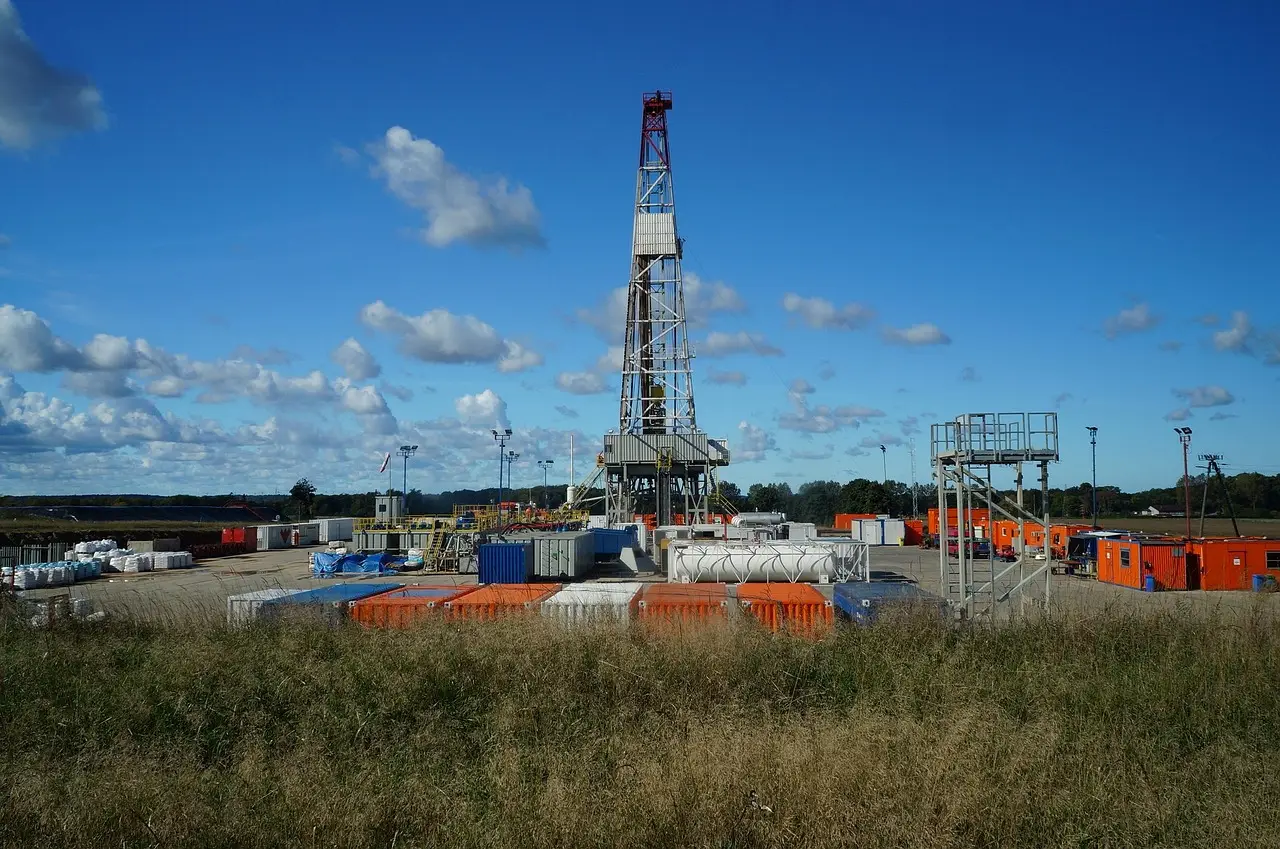
The US oil and gas rig count held at 603 this week, unchanged for a second straight reporting period, Baker Hughes reported on Friday. The total stands 57 rigs higher than the same week a year ago, but the pause underscores a drilling sector still reluctant to add capacity despite triple-digit crude prices.
The headline number conceals modest churn beneath the surface. The oil-directed rig fleet rose by 2 units to 462, which is 48 above year-ago levels. Gas rigs fell by 2 to 130, still 5 more than at this point last year. Miscellaneous rigs held at 11.
Where did the basin counts move?
The Permian Basin, the country's largest shale play, posted no change at 272 rigs — 21 more than a year ago. The Eagle Ford in South Texas slipped by 1 rig to 50, which remains 7 above year-ago levels. In plain words, the two workhorse liquids basins are treading water while the national total sits near a two-year high.
Is production rising even as rigs idle?
Yes, and by a wide margin. US crude output averaged 13.992 million bpd (barrels per day) for the week ending October 23, according to the Energy Information Administration, up from 13.269 million bpd the prior week and up 348,000 bpd year-on-year. That jump came without a matching rig increase, a reminder that longer laterals (the horizontal well segments that contact reservoir rock) and faster drilling cycles continue to squeeze more oil from a flat fleet.
The completion side tells a different story. Primary Vision's Frac Spread Count — an estimate of crews performing hydraulic fracturing, the process that cracks open tight rock to release hydrocarbons — fell for a second consecutive week, shedding 5 crews to reach 194 in the week ending October 23. The count is still up 16 year-over-year. The takeaway: crews are finishing wells already drilled faster than operators are adding new completions capacity.
What are prices doing around the data?
Brent crude traded at $117.58 per barrel on Friday before the release, up 2.35% on the day and up about $1 from a week earlier. WTI changed hands at $104.13, up 2.09% and nearly $1.50 higher week-on-week. Market analysts attribute the strength to persistent tightness in physical supply, though price commentary of this kind remains interpretation rather than established fact.
The gap between record-near production, a flat rig count and falling frac spreads suggests operators are prioritizing shareholder returns and capital discipline over volume growth, an assessment widely held across trade analysis of the current cycle.
What to watch
The next Baker Hughes count lands Friday. The watch items are threefold: whether the oil-directed count builds on this week's 2-rig gain, whether the Frac Spread Count posts a third straight decline, and whether the EIA confirms a move above 14 million bpd — a level the US has approached but not yet sustained.
via eia.gov (Original)
More from Olivia Hart
Show full bio
Correspondent covering technology and product news in Oil and gas industry operations and markets at Rig & Refinery.
563 articles