Well report · filed November 27, 2026
Petroleum MarketsWell report
US Urged Iraq and Venezuela to Quit OPEC, Reuters Sources Say
Washington urged founding members Iraq and Venezuela to leave OPEC, Reuters sources say. Both refused, and Baghdad now demands OPEC+ recognise 6 million bpd capacity before the November 29 quota meeting.
Field notes
- Iraq wants OPEC+ to recognise about 6 million bpd of capacity, against an assessment below 5 million bpd, ahead of the November 29 meeting on 2027 quotas.
- The US Administration early this year encouraged Iraq and Venezuela, both founding OPEC members, to leave the cartel, Reuters reported.
- Saudi Crown Prince Mohammed bin Salman intervened this summer to stop the US push on Venezuela, two sources said.
- The US has blocked Venezuela from paying its OPEC membership fee, with state funds held in a US-controlled account after Maduro's January ousting.
- Iraq's Ministry of Oil persuaded the prime minister to stay in OPEC and fight for a higher quota instead.
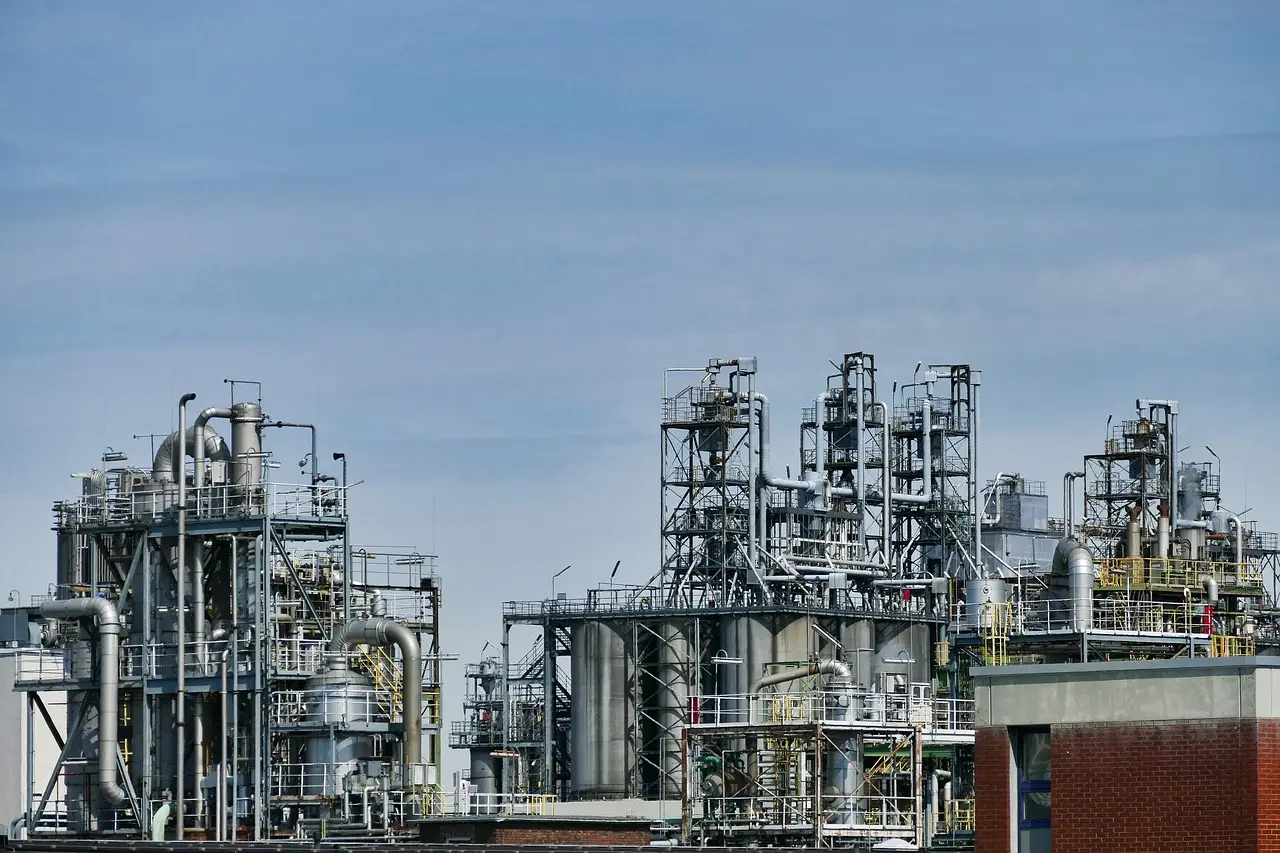
The US Administration pressed two of OPEC's five founding members, Iraq and Venezuela, to leave the cartel early this year, Reuters reported on Friday, citing multiple sources with knowledge of the matter. Both countries have so far brushed the push aside.
The numbers that matter for OPEC watchers sit behind the diplomacy. Washington wanted output in both countries to rise and worried that OPEC and OPEC+ agreements, with their production quotas, would hamstring any gains. Iraq, the cartel's second-largest producer, is now fighting over its baseline: Baghdad refuses to accept an OPEC+ assessment that it can sustainably produce less than 5 million bpd, and wants the group to recognise capacity of around 6 million bpd ahead of the November 29 meeting that will assess 2027 capacity and quotas.
Why Venezuela's position differs from Iraq's
The leverage in Caracas is hard rather than diplomatic. Since the capture of Nicolas Maduro in early January and his subsequent ousting, Venezuela's state funds sit in a US-controlled account, giving Washington direct influence over the country's oil finances. That pressure has gone as far as the US blocking Venezuela's payment of its OPEC membership fee, according to Reuters' sources.
The push on Venezuela was strong enough that Crown Prince Mohammed bin Salman of Saudi Arabia — OPEC's top producer and its de facto leader — intervened this summer to persuade the Trump Administration to stop pressing the issue, two of the sources said. For practitioners, that intervention signals Riyadh's own interest in keeping the cartel's membership intact rather than risking a splintered group with members pumping outside any quota framework.
Where Iraq's fight now stands
In Baghdad, the exit question reached Prime Minister Ali Faleh al-Zaidi after meetings with US officials this summer, during which the Americans encouraged him to have the government consider leaving the cartel. The Iraqi Ministry of Oil opposed the idea and persuaded the prime minister to keep the country inside OPEC, according to two of Reuters' sources.
Instead, Baghdad chose a different route: contesting the numbers rather than the membership. Since September, Iraq has been seeking a significant increase in OPEC's assessment of its production capacity, which anchors the baselines for any future quotas or cuts.
The distinction matters for anyone modelling supply. A recognised capacity near 6 million bpd, versus a sub-5-million baseline, changes what Iraq could legitimately pump under any OPEC+ ceiling — and changes the arithmetic of the group's next round of allocations.
What the November 29 meeting decides
The cartel meets on November 29 to assess 2027 capacity and quotas. Iraq enters that meeting with a clear demand and a refused assessment. The US encouragement to leave, which both members rejected, has shifted from an exit question to a baseline question.
For the downstream desk, the read-through is supply-side uncertainty rather than a headline supply shift. No barrels have moved yet. What has moved is the negotiating position: Iraq wants roughly a million barrels per day of recognised headroom, and Venezuela's fee blockage shows Washington's tools now run through Caracas's finances.
The watch item is November 29. Watch whether OPEC+ accepts Iraq's 6-million-bpd claim, defers it, or splits the difference — that number sets the ceiling on what the group's number-two producer can pump into 2027.
via reuters.com (Original)
More from James Calloway
Show full bio
Staff writer covering people, launches and day-to-day practice in Oil and gas industry operations and markets at Rig & Refinery.
672 articles
Adjoining reports
- Venezuela weighs OPEC exit as producer alliance faces new strain
- Venezuela Weighs OPEC Exit While US Discusses Oil Field Stake
- $12.11bn in Venezuelan Oil Money, Zero Line Items: US Account Draws Fire
- Venezuela Revival Would Need Over $100 Billion, Analysis Finds
- Iraq Aims to Double Oil Output, Wants OPEC Quota Relief