Well report No. RR-6564 · T18N · R46W · SEC 6 · filed October 10, 2026
Petroleum MarketsWell report
Venezuela Weighs OPEC Exit While US Discusses Oil Field Stake
Venezuela is weighing an exit from OPEC as US officials discuss taking a stake in the country's oil fields, Bloomberg reported. No deal is confirmed; watch OPEC's next meeting.
Field notes
- Venezuela is considering leaving OPEC, Bloomberg reported
- US officials are discussing taking a stake in Venezuelan oil fields
- Venezuela has been an OPEC member since 1960, a founding member
- No formal exit decision or stake agreement has been announced
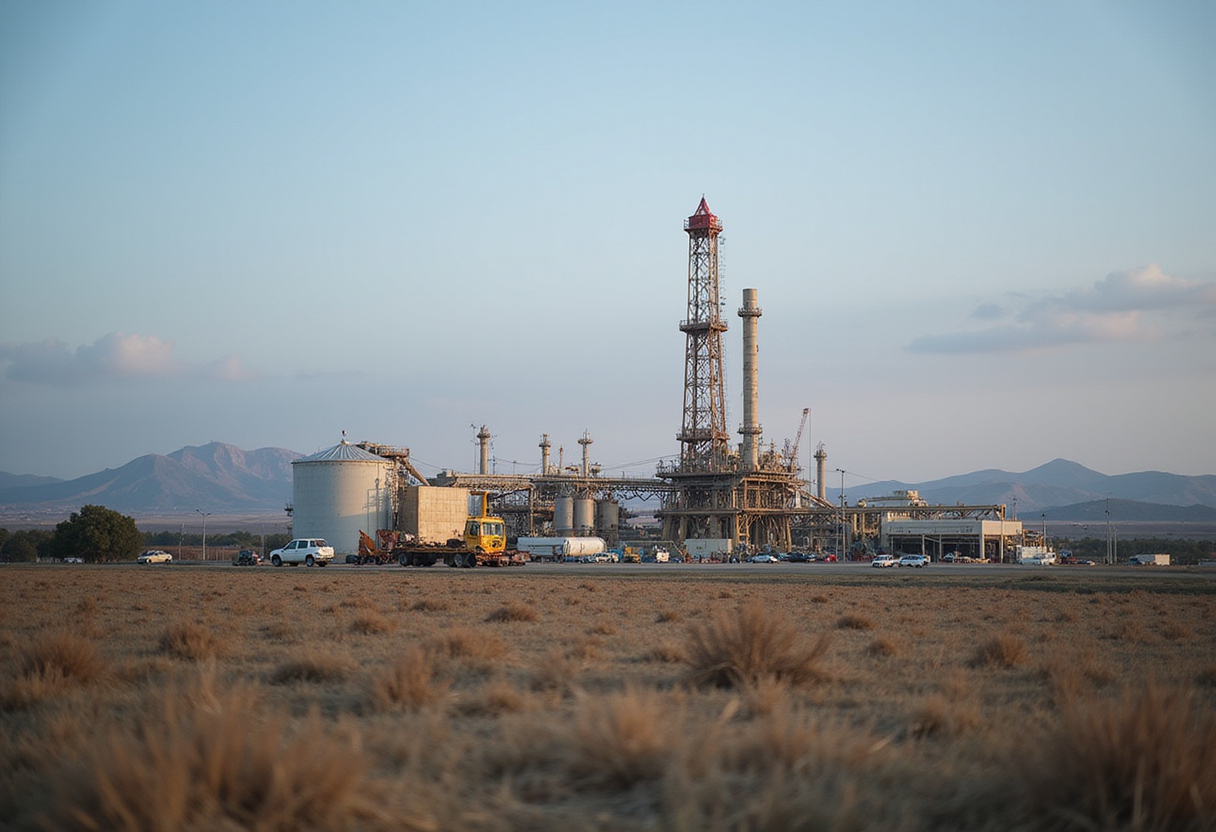
Venezuela is weighing a departure from OPEC as the US holds discussions over taking a stake in the country's oil fields, Bloomberg reported.
The two threads — a possible exit from the 12-member producer group and negotiations over American participation in Venezuelan upstream assets — mark a striking shift for a founding-era member of the cartel whose crude output has collapsed from historic highs under sanctions, underinvestment, and political crisis.
What does a potential OPEC exit signal?
Venezuela sits on the world's largest proven oil reserves, but years of sanctions and the deterioration of Petróleos de Venezuela SA (PDVSA) have hollowed out its production capacity. For Caracas, leaving OPEC would free the country from the group's production coordination framework at a moment when it is seeking any route back to export markets and foreign capital.
A departure would also carry symbolic weight for the organization itself: Venezuela has been an OPEC member since 1960, one of the five founding countries. No decision has been announced, and the deliberations remain at the consideration stage, according to Bloomberg's reporting.
For OPEC, the loss would be more reputational than operational. Venezuelan output is a fraction of what it once was, and its quota has long been academic given capacity constraints.
How do the US oil field talks fit in?
In parallel, US officials are discussing acquiring a stake in Venezuelan oil fields, Bloomberg reported. The structure, valuation, and legal pathway for any such arrangement remain unclear, and no agreement has been confirmed.
Any US equity position in Venezuelan upstream assets would raise immediate questions:
- Which sanctions relief or licensing framework would govern the arrangement
- How PDVSA's existing partnerships with foreign operators would be treated
- Whether the deal would survive political change in either capital
Sanctions have kept most American companies out of direct involvement in Venezuelan production. Washington has alternately tightened and loosened Chevron's operating license in recent years, using it as leverage over the government of President Nicolás Maduro.
Why now?
The reported deliberations come as Washington pursues migration and security arrangements with Caracas, and as the US government has shown an appetite for direct commercial stakes in resource projects elsewhere — a posture that has unsettled traditional boundaries between policy and commerce in the energy sector.
For Venezuela, an American partner with capital and technology could offer a path to rehabilitating fields in the Orinoco Belt and legacy western producing regions that PDVSA cannot finance on its own.
What to watch
The immediate watch items are the OPEC decision itself and the substance of the US stake talks. OPEC's next scheduled meeting and any formal Venezuelan notification would clarify whether the exit talk is a negotiating tactic or a policy direction. On the upstream side, the first concrete signal will be any US Treasury licensing action or term sheet covering specific fields. Until then, both stories remain deliberation-stage, not sanctioned transactions.
via Google News: OPEC and oil markets (Source)
More from James Calloway
Show full bio
Staff writer covering industry trends and analytics at Rig & Refinery.
400 articles
Adjoining reports
- Venezuela Weighs Leaving OPEC as US Talks Target Oil Field Stakes
- Venezuela weighs OPEC exit as producer alliance faces new strain
- Caracas Hosts First Major Oil Summit as Venezuela Reopens to Foreign Investors
- Venezuela Revival Would Need Over $100 Billion, Analysis Finds
- Venezuela's 65 Billion Barrels Anchor Case For Oilfield Services Stocks