Well report · filed November 19, 2026
OffshoreWell report
81.2 Million Gulf Acres Draw Third NEPA Lawsuit Over Lease Sale
Environmental groups sued over the August 12 sale of 81.2 million Gulf acres, the third NEPA challenge to a lease auction mandated under the 2025 Reconciliation Act's 30-sale schedule through 2040.
Field notes
- August 12 "Big Beautiful Gulf 3" sale auctioned more than 81.2 million acres of Gulf of Mexico waters.
- It is the third of 30 Gulf lease sales required through 2040 under the 2025 Reconciliation Act.
- Earthjustice sued on behalf of Friends of the Earth and Healthy Gulf; CBD, NRDC and Sierra Club are co-counseling.
- The same groups already challenge the December 2025 and March 2026 sales in court.
- The suit alleges violations of NEPA and other environmental laws, citing risk to the endangered Rice's whale.
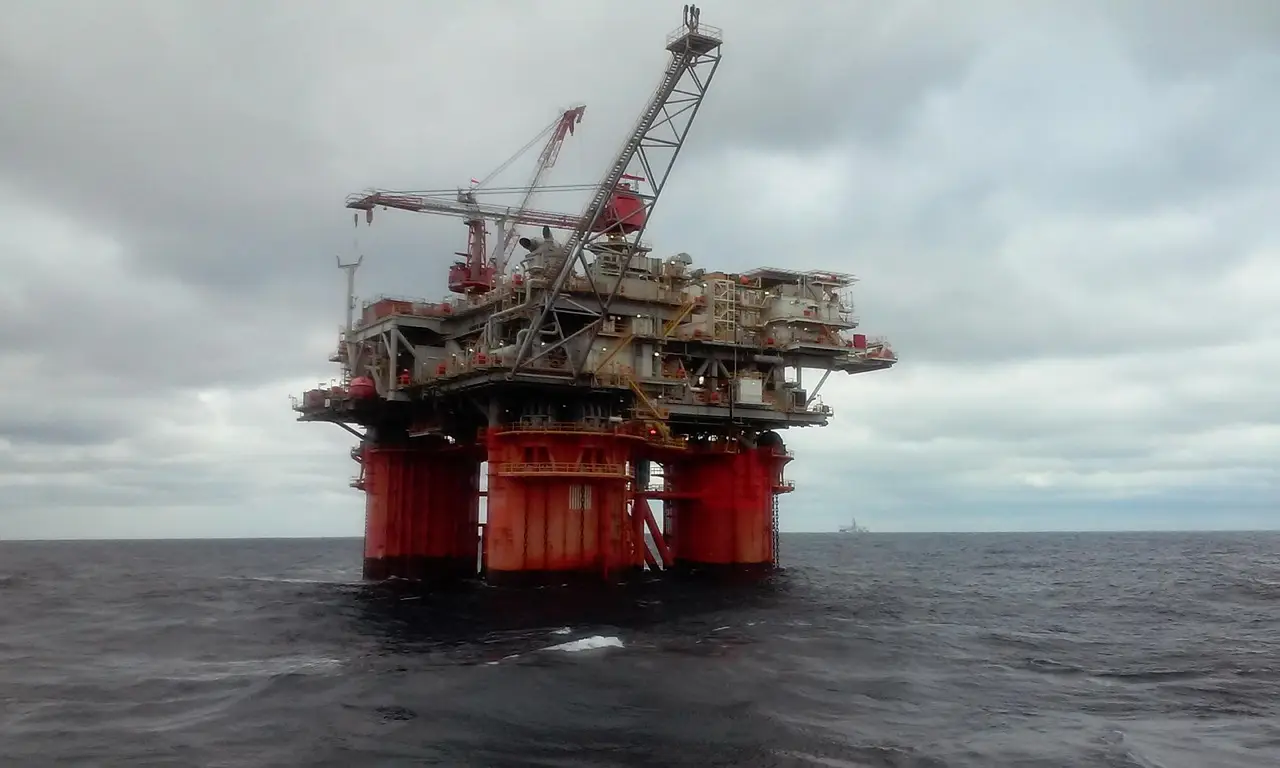
A coalition of environmental groups sued the Interior Department on Wednesday over its August 12 lease sale of more than 81.2 million acres of US Gulf of Mexico waters — the third legal challenge to a Gulf auction held without review under the National Environmental Policy Act since the current administration took office.
The sale, branded "Big Beautiful Gulf 3," is the third of 30 Gulf of Mexico oil and gas lease sales mandated through 2040 under the 2025 Reconciliation Act, also known as the One Big Beautiful Bill Act. To put the number in frame: 81.2 million acres is larger than the state of New Mexico. That is one auction.
The plaintiffs are already litigating the two prior sales, held in December 2025 and March 2026. Earthjustice brought the new suit on behalf of Friends of the Earth and Healthy Gulf. The Center for Biological Diversity, the Natural Resources Defense Council, and the Sierra Club are parties and co-counseling in the case.
What does the suit allege?
The core claim is procedural, and the plaintiffs state it plainly: the government auctioned offshore acreage without the environmental review that federal law requires. NRDC, an organization with more than 800 lawyers, scientists and policy staff, framed the omission as a skipped homework assignment.
"Yet again the government has auctioned off a piece of the Gulf without stopping to ask what it could cost the people and wildlife who live there," said Julia Forgie, senior attorney at NRDC. "An agency can't erase the risks of the sale to Rice's whale and other endangered species by deciding to skip its homework. We'll be in court as many times as it takes."
The Rice's whale, a critically endangered species resident in Gulf waters, sits at the center of the groups' biological concerns, alongside spill risk to coastal communities. Earthjustice's counsel tied the statutes at issue to the industry's own history.
"This is our third challenge to a lease sale auctioning Gulf waters to the oil industry since the start of this administration, but it won't be our last," said George Torgun, senior attorney at Earthjustice. "Like the two others before it, this lease sale violates the very environmental laws originally enacted in response to the destructive consequences of offshore oil drilling. New drilling and the potential for hazardous oil spills can harm coastal communities, critically endangered marine life, and our climate — and that's why we're returning to court time and again to seek accountability."
In short: the argument is that Congress mandated the sales, not the shortcuts.
Why do the sales keep coming?
The 2025 Reconciliation Act requires the Interior Department to hold 30 Gulf lease sales through 2040 — roughly one auction every six months for the next fifteen years. Wednesday's filing is the third lawsuit tracking that schedule at a one-for-one pace. At current rates, the docket will be crowded.
Friends of the Earth's legal director was direct about the pattern.
"It's not déjà vu. This litigation is simply the latest in a long list of lawsuits we have filed to ensure that the federal government does its homework before handing more of the Gulf to Big Oil," said Hallie Templeton, legal director for Friends of the Earth. "More drilling means more harm to people and the planet. Yet the administration keeps pushing through lease sales while ignoring the risks. We have no choice but to keep filing litigation over these consistent, blatant violations of federal law."
What is at stake for operators?
For companies holding or bidding on acreage from the December, March and August sales, the litigation introduces title risk of a familiar kind. Prior Gulf lease sales have been vacated or remanded by courts on NEPA grounds, and the plaintiffs here cite the same statute. The Center for Biological Diversity placed responsibility on both ends of Pennsylvania Avenue.
"Congress forced these oil and gas lease sales on the Gulf, but it didn't give the Trump administration a free pass to ignore our nation's most fundamental environmental protections in the process," said Rachel Mathews, a senior attorney at the Center for Biological Diversity. "We'll keep fighting these harmful and illegal actions, regardless of how many Trump tries to ram through. For the sake of the communities and wildlife whose lives depend on clean water and air, Congress needs to end these mandated oil and gas lease sales altogether."
The Sierra Club, whose Oil & Gas campaign manager Mike Scott called the Gulf "a sacrifice zone for fossil fuel companies," pointed to spill risk, pollution and ecosystem stress as the practical stakes of expanded offshore drilling.
The takeaway for the upstream desk: 81.2 million acres went under the hammer in a single day, and the paper is now before a judge.
What comes next?
The watch items are threefold. First, the court's response on the NEPA claims — whether the August sale stands, is remanded, or is vacated, which bears directly on the validity of any leases issued. Second, the pending suits against the December 2025 and March 2026 sales, which will signal how the courts treat the statutory mandate versus the review requirement. Third, the calendar: with 27 sales remaining through 2040 and the plaintiffs promising a suit for each, "Big Beautiful Gulf 4" is unlikely to wait long for its own complaint.
The plaintiffs' position requires no parsing. As Torgun put it: it will not be their last.
via nrdc.org (Source)
More from Daniel Okafor
Show full bio
Market editor covering companies, deals and strategy in Oil and gas industry operations and markets at Rig & Refinery.
634 articles