Well report · filed November 20, 2026
Gas & LNGWell report
90-177 GW: Behind-the-Meter Gas for Data Centers Doubles in Six Months
Proposals for behind-the-meter gas at U.S. data centers have doubled to 90-177 GW, per NRDC. BNEF says full build-out lifts power emissions 10%; consumers face $14.4 billion in added costs.
Field notes
- Proposed BTM gas projects at U.S. data centers doubled in H1 2026 to 90-177 GW.
- BNEF estimates full build-out would raise U.S. power sector emissions 10 percent.
- Amazon's Pecos, Texas project is permitted for 33 million tons of CO2, the largest single U.S. source.
- Evolved Energy Research projects $14.4 billion in added consumer costs by 2030 from gas price effects.
- Grid interconnection backlogs of 5-7 years are pushing developers toward on-site generation.
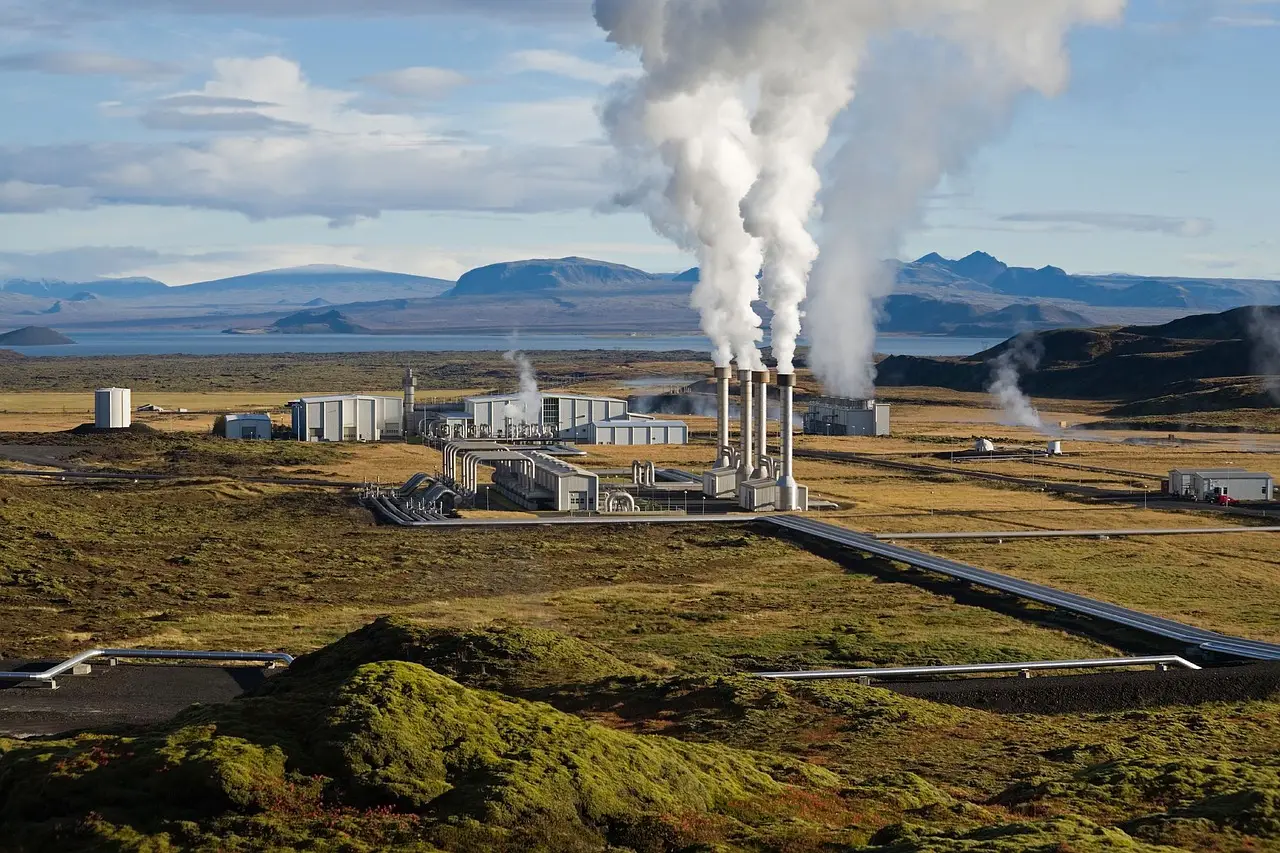
Between 90 GW and 177 GW of behind-the-meter gas generation is now proposed for U.S. data centers, according to analysts tracking the sector, after the project count doubled in the first half of 2026. That capacity, run at 90 percent load factor, would generate electricity equal to the annual consumption of 68 million to 133 million average households. The Natural Resources Defense Council, in a policy analysis published this week, argues the build-out threatens both U.S. decarbonization targets and regional air quality. The verdict from the advocacy group is blunt. It is also, on the numbers, hard to dismiss.
How large is the demand shock?
Data centers under construction routinely each draw as much power as an entire city. By 2030, the NRDC analysis cites projections that data centers could consume up to 649 TWh a year, more than a tenth of all U.S. electricity. Grid interconnection queues, slow long before the boom, now stretch five to seven years in some regions. The industry, well financed and fiercely competitive, has priced speed above all else. Its answer is on-site gas, independent of the grid — behind the meter.
Bloomberg New Energy Finance estimates that if every proposed BTM gas plant at data centers is built, U.S. power sector emissions would rise 10 percent. The emissions profile of the data center industry already exceeds that of entire countries, the NRDC analysis notes. The takeaway is simple: this is a power-sector story measured in whole percentages of national emissions.
Why does BTM gas pollute more than the grid?
The counterintuitive finding in the analysis is that BTM gas is dirtier than 100 percent grid supply, even where the grid itself burns substantial gas. Grid-connected combined cycle plants are more efficient, better regulated and less polluting than the reciprocating engines, repurposed jet engines and refurbished turbines favored for fast-track BTM installs.
Surging demand for the most efficient large methane turbines has pushed new order deliveries to at least 2031, according to the analysis. Rather than wait, many developers are specifying smaller, less efficient machines governed by what NRDC calls a grossly insufficient patchwork of regulations. Some projects, the analysis alleges, have exploited loopholes — mounting engines on trucks to qualify as mobile sources, or splitting one facility's generation into multiple smaller permit applications. Others allegedly ignored requirements entirely. Operating illegally may be fast, the analysis dryly notes, but it is not a strategy.
A McKinsey & Company survey of data center developers undercuts the industry's own bridging narrative: 60 percent of respondents expect their on-site gas to be permanent, even after grid connection becomes available. The takeaway: most of this capacity is not a bridge. It is a destination.
What would it cost consumers?
Three studies cited in the analysis frame the affordability question:
- An MIT study found data centers connecting to the grid raised average retail electricity prices 2.7 percent from 2010 to 2024; for investor-owned utilities serving roughly two-thirds of Americans, the rise was 5.6 percent.
- Evolved Energy Research projects data center gas demand will lift national natural gas prices 5.8 to 15.9 percent by 2030.
- The same study puts the consumer bill for that gas inflation at an additional $14.4 billion by 2030.
The analysis acknowledges the utility-side argument for islanding data centers — avoiding infrastructure costs shifted to other ratepayers — but notes that cost-allocation tools already exist and are improving quickly.
Which projects anchor the concern?
Three named facilities carry the argument:
- Pecos, Texas. Amazon is planning a 7.65 GW off-grid data center with 35 on-site gas turbines. State approvals permit 33 million tons of CO2 emissions, which the analysis says would make it the single-largest CO2 emissions source in the United States.
- Rio Grande Valley, Texas. A permit was issued for Elon Musk's proposed $24 billion data center, covering 35 gas turbines producing 750 MW.
- Stratos, Utah. An NRDC-commissioned analysis of the proposed 9 GW facility found it could emit 3,140 tons of fine particulate matter a year, drifting into Colorado, Idaho and Wyoming, causing an estimated 45 premature deaths and $690 million in annual health damages.
The Pecos permit alone is the number to watch. Nothing else in the U.S. inventory emits more.
Are cleaner fast-power options viable?
NRDC argues the speed-versus-clean-energy tradeoff is false. Some developers have energized facilities with virtual power plants, renewables paired with batteries, grid-enhancing technologies and demand flexibility — resources deployable on data center timelines. The analysis calls for guardrails that steer capital away from gas lock-in toward these alternatives, paired with federal reform of transmission and clean-energy permitting.
Its state and local prescription is specific: end automatic and fast-tracked approvals; close loopholes that let off-grid projects bypass utility commission and environmental review; eliminate by-right zoning for data centers and their BTM generation; mandate disclosure of BTM build-out, setbacks, and limits on greenhouse gases, particulate matter, nitrogen oxides and noise; require community engagement and cumulative impact assessments.
Some decision-makers are already moving. The analysis cites the POWER Act proposed in Illinois and executive actions by Governors Abigail Spanberger of Virginia, JB Pritzker of Illinois and Josh Shapiro of Pennsylvania.
The federal backdrop cuts the other way. The analysis notes EPA attempts to repeal and weaken bedrock regulations and to exempt off-grid data centers from certain requirements, while turbine manufacturers and fuel suppliers post record profits. The NRDC position on federal policy is advocacy, not fact. The underlying numbers — 90 to 177 GW, a 10 percent emissions hit, $14.4 billion in pass-through costs — are the part worth tracking.
The watch item: whether the proposed BTM fleet gets built, downsized or canceled, and that question will be settled in state permitting dockets over the next two years, not in Washington.
via nrdc.org (Source)
More from Daniel Okafor
Show full bio
Market editor covering companies, deals and strategy in Oil and gas industry operations and markets at Rig & Refinery.
624 articles
Adjoining reports
- IEA Declares 'Age of Electricity' as Demand Outruns Grid Buildout
- Midstream M&A queue builds behind AI-driven data-center gas demand
- Georgia Power's 20% Battery Rating Tilt Could Hand Gas Its Next 6,000 MW
- TC Energy sanctions C$6bn of gas projects as data-centre demand drives growth
- Senegal Targets 12 GW by 2050 as Oil Still Fuels 72.5% of Power