Well report · filed November 19, 2026
Gas & LNGWell report
Drone Strike on LPG Tanker Gas Husky Reroutes Black Sea Risk Math
A four-drone strike on the LPG tanker Gas Husky off Bulgaria lifted wheat futures 8-10 cents and raised war-risk premiums for grain and energy flows through the western Black Sea.
Field notes
- Four drones struck LPG tanker Gas Husky on 17 November, 50-55 nm off Bulgaria; all 19 crew rescued.
- Vessel carried ~3,400 tonnes of LPG from Alexandria to Midia, Romania.
- Chicago wheat futures rose 8-10 cents on the news.
- General cargo ship Betul 8 sank in a suspected sea-drone strike in the same area one day earlier.
- USDA anticipates lower wheat exports from both Russia and Ukraine due to Black Sea logistics disruption.
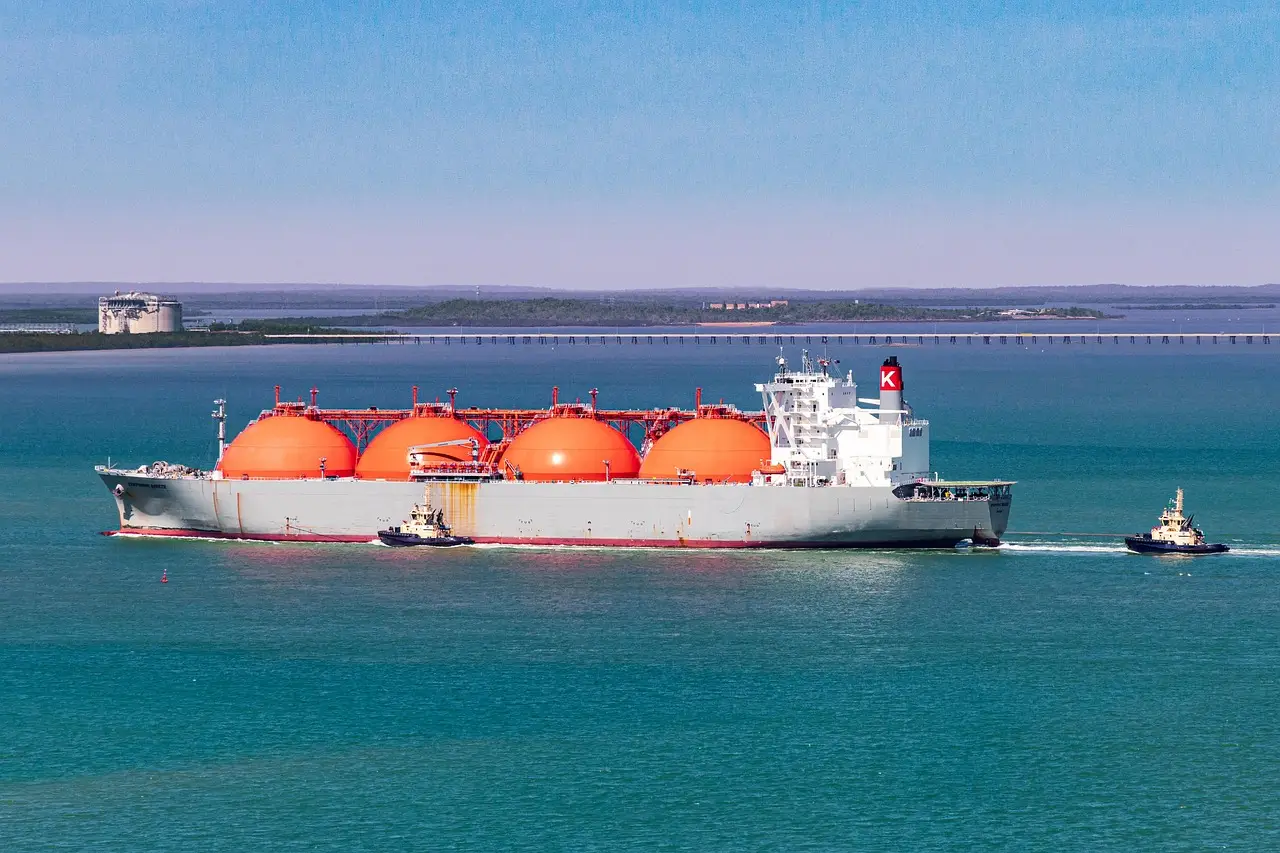
A four-drone strike severely damaged the Liberia-flagged LPG tanker Gas Husky on 17 November roughly 50-55 nautical miles off Bulgaria's coast, and the repricing started within hours: Chicago wheat futures gained 8-10 cents as traders marked up war-risk premiums across the western Black Sea.
The Greece-managed vessel, operated by Stealth Maritime, was carrying around 3,400 tonnes of LPG from Alexandria, Egypt, to the Romanian port of Midia when drones struck the bridge and engine-room area. All 19 crew members were rescued and flown to Varna. The master reported four drones in the attack.
What does the strike change for shipping?
The sinking of the general cargo ship Betul 8 in nearly the same waters one day earlier suggests operators face a pattern, not an outlier. Since mid-2026, merchant shipping in the western Black Sea has absorbed a string of attacks, and regional navies have opened investigations and issued warnings to commercial traffic.
For practitioners, the takeaway is that no vessel class is now exempt. Gas Husky is an LPG carrier, not a bulker, yet it was hit on a lane that tankers and dry cargo share. Insurance clauses, routing assumptions and counterparty risk all need a fresh look.
How are grain markets reacting?
The attack coincided with Ukrainian strikes on the Kerch Bridge, and market participants priced both into wheat. Chicago futures firmed roughly 8-10 cents on Tuesday trade.
Russia and Ukraine together still account for a major share of global wheat exports, so any perceived step-up in maritime risk supports alternative origins — EU, U.S. and Argentine supplies — before any concrete supply loss materialises. USDA's latest wheat trade update already anticipates lower exports from both Russia and Ukraine on Black Sea logistical disruption.
The reaction so far has been firm but measured, according to market commentary, suggesting traders are distinguishing localised incidents from systemic blockage. That distinction is the swing variable in the forward curve.
Which cargoes carry the exposure?
- Wheat — Black Sea remains a core export hub; heightened risk supports futures in Chicago, Kansas City and Europe as buyers hedge.
- Corn — Ukrainian exports are already constrained; further strikes push flows toward Danube and land corridors, firming basis for EU and Mediterranean buyers.
- Sunflower oil and meal — Ukraine's dominant global share means friction in western Black Sea traffic tightens supply for Turkey, MENA and South Asia, shifting demand to alternative vegoils.
- LPG and NGLs — higher war-risk premiums and freight on cargoes transiting into Romania and Bulgaria.
- Fertilizers — overlapping ammonia routes could face delays if operators widen exclusion zones, ahead of spring application.
What happens to Romanian and Bulgarian gateways?
Romania and Bulgaria had benefited as alternative gateways for Ukrainian grain and for LPG imports into the EU. A partial reversal is now on the table if shipowners demand sharply higher premiums for calls inside their exclusive economic zones.
USDA analysis has highlighted "greatly constrained export capabilities" for Ukraine and increased reliance on Danube and overland routes. Further incidents in adjacent waters could slow or reroute residual seaborne trade via Constança-area and Bulgarian ports, adding congestion and waiting time for bulk and gas carriers alike.
For LPG importers in Romania and neighbouring states, lifting schedules may need reshuffling: cargoes diverted to alternative discharge ports, greater reliance on pipeline and rail where feasible, and higher delivered costs if vessel availability tightens or ballast distances lengthen.
Russia, for its part, may have to discount FOB values or absorb extra freight to keep cargoes competitive if charterers insist on route diversions or standby time — compressing producer margins while lifting CIF prices at destination.
What is the watch item?
The forward curve turns on three things: additional strikes on commercial vessels, revisions to navigational warnings, and formal changes to insurance coverage and premium schedules for the western Black Sea. A cluster of further incidents, or confirmation of intentional targeting of food and energy cargoes, would trigger a more durable repricing across grain and LPG freight.
Conversely, naval escorts, clearer routing protocols or de-escalation could erode some of the premium — though after months of attacks, full normalisation looks unlikely. The fundamental grain balance has not shifted dramatically; the cost of moving tonnes out of the Black Sea has.
The next navigation warning or premium schedule revision from western Black Sea underwriters is the number to watch.
via commodity-board.com (Source)
More from James Calloway
Show full bio
Staff writer covering people, launches and day-to-day practice in Oil and gas industry operations and markets at Rig & Refinery.
648 articles
Adjoining reports
- OPEC+ Ministers Stress Safeguarding International Maritime Routes
- Hormuz tanker traffic falls as Iran hits 25 vessels in a week
- WTI Holds Below $83 as Hormuz Risk Fails to Break Bearish Drift
- Black Sea Hull Insurance for Oil Cargoes Jumps to $2.5 Million
- Gulf oil keeps flowing through Iran conflict, but war costs mount