Well report No. RR-7439 · T7N · R34W · SEC 19 · filed November 4, 2026
Midstream & PipelinesWell report
Aramco Weighs East-West Pipeline Expansion to Bypass Hormuz
Aramco is studying an expansion of the 7-million-bpd East-West Pipeline to the Red Sea as Hormuz attacks drive tanker freight rates up more than 15-fold, CEO Amin Nasser said.
Field notes
- Aramco CEO Amin Nasser said the company is exploring expansion of the East-West Pipeline, which has capacity of up to 7 million bpd.
- The Strait of Hormuz previously carried 20% of global oil supplies and is now effectively blockaded.
- More than 130 tanker attacks reported, mainly on VLCCs; freight rates up more than 15 times from a year ago.
- Aramco's third-quarter net profit surged more than one-third, reported Tuesday.
- Each VLCC can carry 2 million barrels of oil.
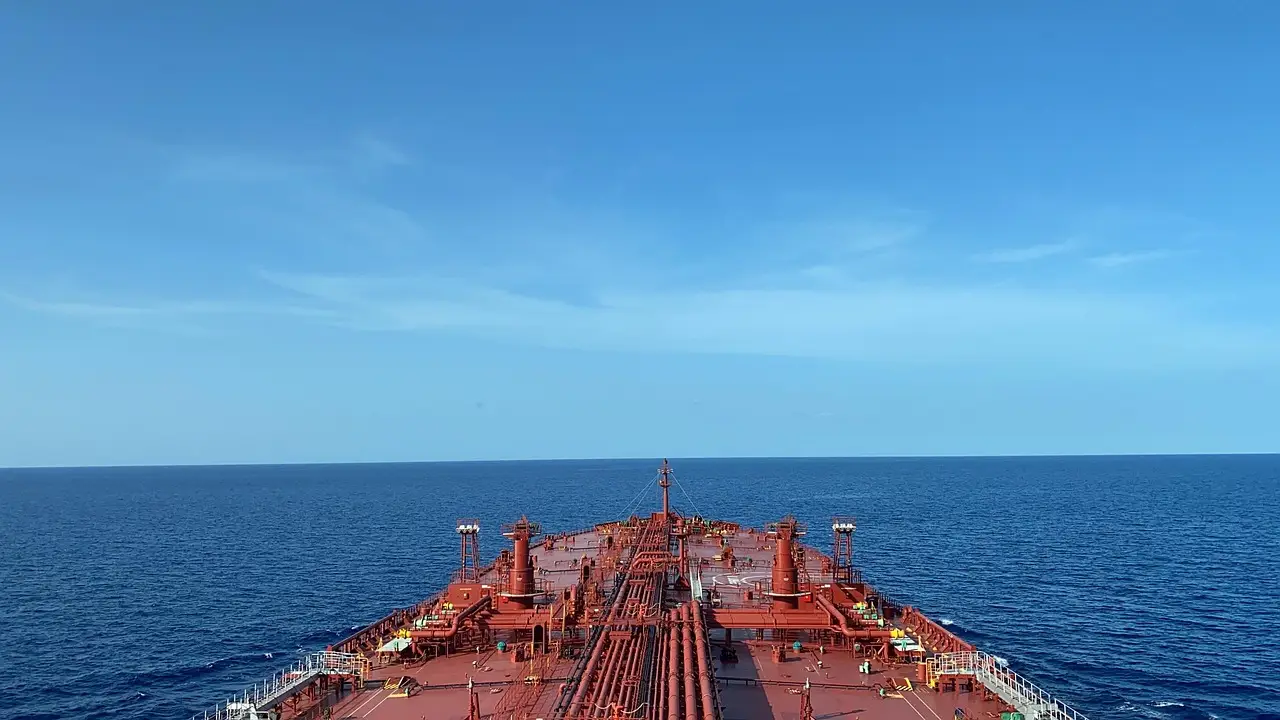
A 7-million-barrel-per-day pipeline is back at the centre of Saudi Arabia's export strategy. Aramco CEO Amin Nasser said on Tuesday the company is exploring an expansion of the East-West Pipeline, the crude artery that carries Saudi barrels across the kingdom to export terminals on the Red Sea — and around the effective blockade of the Strait of Hormuz.
The chokepoint, which previously handled 20% of global oil supplies, has been largely shut to traffic, and Nasser called it the backdrop to what he described as the biggest energy supply shock in history. The disruption, he said in a statement to Reuters, extends well beyond crude markets.
"Higher transportation costs, fertiliser shortages, and impacts on food and consumer goods are feeding into inflationary pressures across the global economy," Nasser said.
What is Aramco actually proposing?
For now, it's a study, not a sanctioned project. Nasser confirmed Aramco is exploring additional export routes and overseas storage capacity, including the potential expansion of the East-West line. No capacity target, timeline or budget accompanied the announcement, so any expansion figures beyond the pipeline's current nameplate of 7 million bpd remain speculation.
The pipeline itself is no stranger to risk. It has been attacked several times during the US-Iran war, and Nasser has previously described it as a critical lifeline for Saudi exports. Its Red Sea endpoints — Yanbu and the kingdom's western coast terminals — now sit at the centre of a broader rerouting of Gulf crude away from Hormuz.
The company frames the work as a natural extension of an existing strategic asset rather than a new bet. In plain terms: Aramco wants more usable route around the strait, and it's studying how much more the line can carry.
How bad is the shipping picture?
The numbers Nasser cited are stark. More than 130 attacks on tankers have been reported so far, mainly targeting very large crude carriers, each able to move about 2 million barrels. Freight rates have surged more than 15 times from a year ago, according to the CEO.
That cost spike is what's feeding the inflationary pressures he flagged — fertiliser, food and consumer goods all move on the same strained logistics chains as crude. The effective blockade of Hormuz has redrawn global energy flows and infrastructure investment priorities across the Gulf, with Red Sea capacity suddenly commanding a strategic premium.
How is Aramco weathering it?
Better than most, on the evidence of Tuesday's results. Aramco reported a more than one-third surge in third-quarter net profit, and Nasser pointed to the company's resilience through the disruption.
He paired the numbers with a message on supply policy: "Demand fundamentals remain strong and the world cannot afford to plan its energy future around short-term market conditions. We remain ready to rapidly ramp up production when the situation calls for it."
That's a deliberate signal to the market — Aramco sees the shock as a cycle, not a new normal, and doesn't want consumers or policymakers writing off hydrocarbons on the back of it.
What comes next?
The watch items are concrete. Watch for an FID or capacity figure on the East-West expansion — the gap between "exploring" and sanctioning will define whether the 7-million-bpd line grows. Watch overseas storage announcements as they land. And watch the freight market itself: more tanker attacks, or a reopening of Hormuz, would move the economics of every bypass route on the drawing board.
via Google News: Pipelines and midstream (Source)
More from Elena Vasquez
Show full bio
News editor covering technology and product news in Oil and gas industry operations and markets at Rig & Refinery.
576 articles
Adjoining reports
- Saudi Arabia Targets 10 Million Bpd of Oil Pipeline Capacity
- OPEC sees oil demand growth of 1.7 million bpd in 2027
- Aramco CEO Ties $200 Brent Scenario to East-West Pipeline
- Saudi Arabia targets 10 million bpd pipeline crude export capacity
- Saudi Arabia Restores East-West Pipeline Capacity to 5.8 Million bpd