Well report No. RR-9421 · T17N · R44W · SEC 17 · filed November 18, 2026
Petroleum MarketsWell report
Asia-Pacific Takes 79% of Global Commodity Futures Volume as Hedging Demand Surges
Asia-Pacific took 79% of global commodity futures volume in 2025. New sorghum, tungsten, beef trim and wind contracts aim to match hedging tools to shifting regional trade flows.
Field notes
- Asia-Pacific exchanges accounted for 79% of global commodity futures and options volume in 2025 (World Federation of Exchanges).
- China imported 5.49 million tons of sorghum in January–August 2026, up 84% year on year.
- Tungsten futures are expected to launch in Q1 2027, pending regulatory review.
- Wind Power futures launched in October 2026, covering Victoria, UK, Germany and Texas.
- APAC installed 80% of new global wind capacity in 2025 (Global Wind Energy Council).
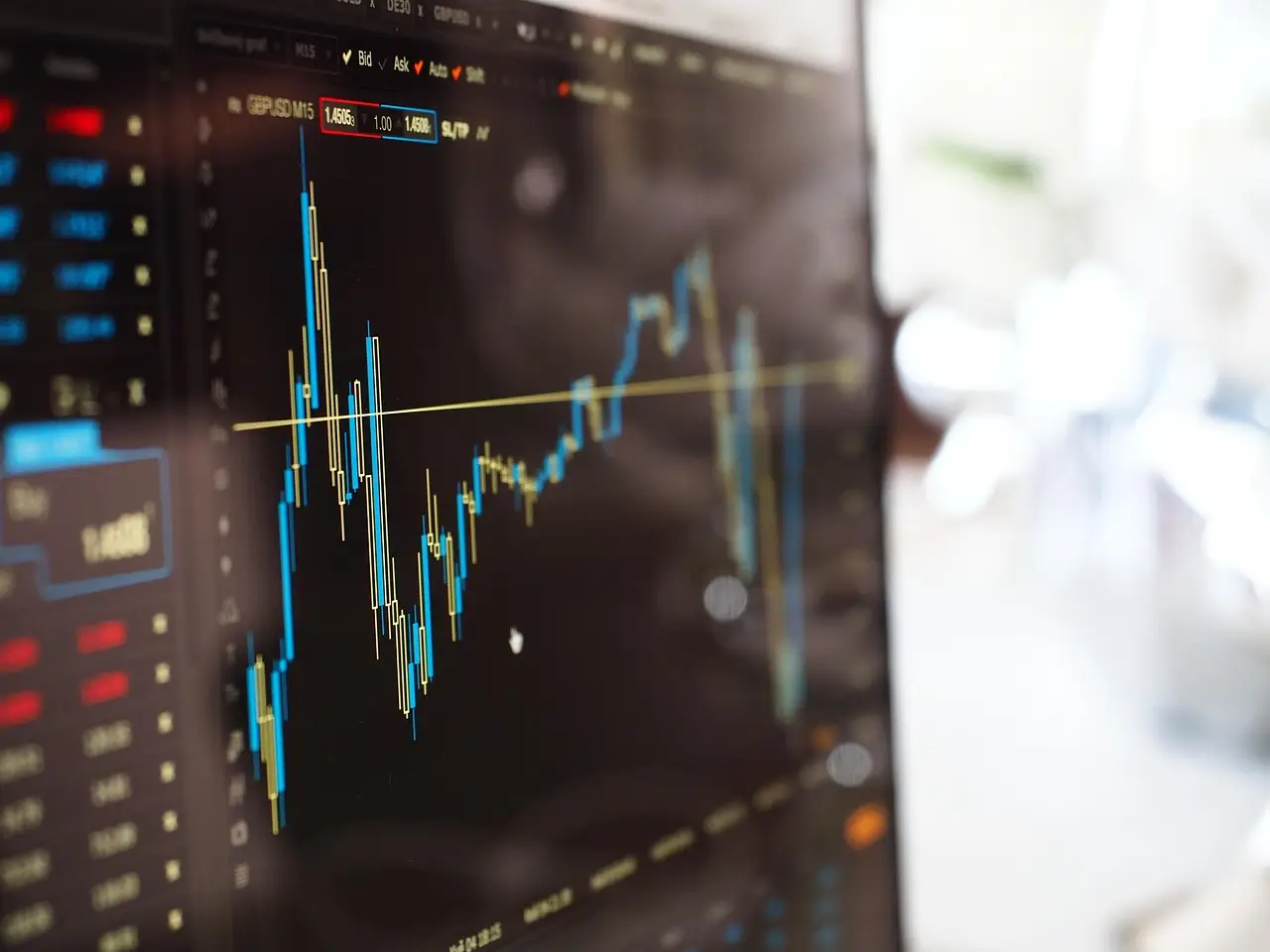
Asia-Pacific exchanges handled 79% of global exchange-traded commodity futures and options volume in 2025, according to the World Federation of Exchanges, and volatility in 2026 is pushing that share of hedging activity higher.
Middle East conflict has driven sharp energy price moves and disrupted production and shipping this year. Trade tensions, weather events, the energy transition and the growth of AI data centers compound the uncertainty over costs, revenues and margins for producers, exporters, importers and processors. Asia-Pacific, the world's largest commodity importing region, sits at the centre of it, and derivatives innovation is following the flows across five fronts.
The takeaway: risk tools are being rebuilt commodity by commodity to match where trade has actually moved.
Where have agricultural flows shifted?
China, the world's largest sorghum importer, received 5.49 million tons in the first eight months of 2026 — up 84% on the same period of 2025. The U.S. Department of Agriculture's Foreign Agricultural Service reports that Australia displaced the U.S. as China's main supplier in 2025, but adverse weather cut Australian output in 2026, returning the U.S. to primary-source status while Brazil has also increased shipments.
Buyers and sellers have long hedged sorghum with corn futures, since the two commodities are interchangeable and no dedicated sorghum contract existed. That works over the long run, but supply and demand swings can pull the two apart in the near term.
CME Group has responded with a Sorghum basis futures contract, giving APAC importers tighter risk-management precision and a clearer benchmark on whether international demand is tightening or easing — transparency that directly supports procurement costs and margins.
What about critical minerals exposure?
Tungsten carries no centralized futures price discovery despite an active spot market. That matters because APAC accounted for more than 70% of global tungsten consumption in 2025, and China mines roughly 80% of world supply. Chinese export restrictions introduced in 2025, combined with strong demand and constrained supply, pushed tungsten prices to record highs in 2026.
The metal — designated critical by the U.S., EU and Japan and used in advanced manufacturing, semiconductors and military applications — will get its own instrument: Tungsten futures are expected to launch in the first quarter of 2027, pending regulatory review, providing a forward price curve for dependent manufacturers.
Why new beef trim contracts?
Live cattle and beef trim prices respond to different supply and demand factors, which makes Cattle futures an imprecise hedge for beef trim exposure. New 90% and 50% Lean Beef Trim futures and options extend price transparency further along the supply chain, serving Australian and New Zealand exporters and importers in China, Japan and South Korea who process trim into ground beef.
How is weather risk being traded?
APAC installed 80% of new global wind power capacity in 2025, per the Global Wind Energy Council. More wind in the generation mix means more price volatility at both ends: low-wind periods force utilities into expensive backup generation, while sustained wind pushes wholesale prices down.
Wind Power futures launched in October 2026 as a standardized, exchange-cleared hedge on wind's share of the energy mix. Victoria, Australia is one of four covered regions alongside the UK, Germany and Texas.
Who gains from broader market access?
Two trends are widening participation: growing retail involvement and the need to react to price-moving events outside traditional hours.
- 24/7 trading enables real-time response to global developments.
- Smaller contract sizes — 1-Ounce Gold and 100-Ounce Silver futures — open access to retail traders and give institutions finer position control.
- CME Group is working with the Mercantile Exchange of Vietnam under an MOU on products, technology, connectivity and market education.
- In Central Asia, UZEX Global, a JV between the Uzbekistan Commodity Exchange and PhillipCapital, routes access to international derivatives including CME.
For practitioners, the practical effect is straightforward: more precise hedging instruments, better price signals and deeper liquidity across regional commodity markets.
The watch item is that Q1 2027 tungsten launch and its regulatory sign-off.
via seekingalpha.com (Source)
More from James Calloway
Show full bio
Staff writer covering people, launches and day-to-day practice in Oil and gas industry operations and markets at Rig & Refinery.
637 articles
Adjoining reports
- US LNG exports to Asia surged in April, Reuters data show
- Hormuz Disruption Adds $39 Billion to Global LNG Bill
- 17.4 Bcf/d: US LNG Exports Hit the Number That Changes the Question
- Global Diesel Shortage Set to Persist Well Into 2027 as Spring Maintenance Looms
- Asia LNG Benchmark Tops $31 as Gulf War, AI Demand Squeeze Supply