Well report · filed November 27, 2026
Gas & LNGWell report
Australia obliges LNG exporters to reserve up to 20% for local market
Australia's Parliament has passed the Domestic Gas Reservation Scheme, obliging LNG exporters to supply up to 20% of export volumes locally, with licensing from 2027 and the obligation binding from 2028.
Field notes
- LNG exporters must reserve up to 20% of annual export volumes for the Australian market
- Export licensing framework starts 1 January 2027; domestic supply obligation applies from 1 January 2028
- AER will operate the scheme; Resources Minister decides licences with agreement from Climate Change and Energy Minister
- Western Australia's 2006 NWS policy reserved 15%; ~83% of H1 2025 gas production went to exports
- LNG export earnings forecast to rise from A$57bn in 2025-26 to A$70bn in 2026-27
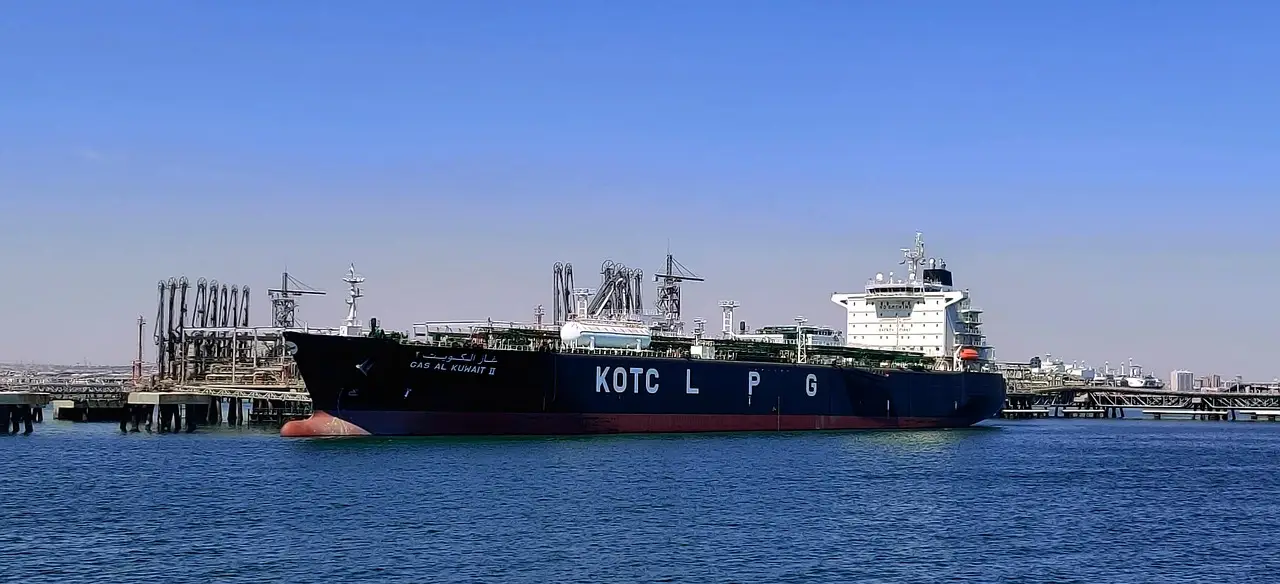
Twenty percent of Australia's LNG export volumes will have to flow back into the domestic market, under a law the Australian Parliament has now passed. The Domestic Gas Reservation Scheme (DGRS) obliges liquefied natural gas exporters to make gas equivalent to up to 20% of their annual export shipments available to Australian consumers, in a bid the government says will lower prices and secure long-term supply.
The legislation arrived as three bills — the Domestic Gas Reservation Bill 2026, the Domestic Gas Reservation Levy Bill 2026, and the Domestic Gas Reservation (Consequential Amendments) Bill 2026 — and cleared Parliament with backing from both the governing Labor Party and the opposition Coalition. That bipartisanship matters. It makes the framework far harder to unwind after the next election cycle than a single-party measure would be.
For the industry, the practical machinery starts with a licence. Under the scheme, gas exporters must hold an export licence, and a central condition of that licence is a domestic supply obligation (DSO) compelling the holder to offer the reserved gas to the local market.
When does the obligation actually bite?
The dates are staggered, deliberately. The export licensing framework commences on 1 January 2027. The domestic supply obligation itself applies from 1 January 2028, timed to align with industry contracting cycles — a gap that gives producers roughly two years to rework their portfolios and long-term offtake books before the reserved volumes come due.
The Australian Energy Regulator (AER) will manage the scheme's operation. Export licence decisions rest with the Minister for Resources, after consultation with the Minister for Industry and with agreement from the Minister for Climate Change and Energy. The ministers will draw on expert input from the AER, the Australian Energy Market Operator (AEMO), and other relevant government bodies.
The government said Parliament had made amendments that strengthened the workability of the scheme while preserving its core objective, and that the framework is designed to support long-term contracting between producers and domestic energy users while keeping Australia a reliable regional trading partner.
What did Bowen say?
Minister for Climate Change and Energy Chris Bowen framed the scheme in household terms. "Australians deserve secure and affordable gas," he said. "This scheme puts Australians first, securing the gas we need at home and putting downward pressure on prices for families and businesses."
He also tied the policy to the energy transition, saying: "That's important for cost-of-living relief, and it's important for our energy transition, with gas helping to firm more renewable energy as we build out solar and wind."
Is there a precedent?
There is, and it's two decades old. Western Australia's Domestic Gas Reservation Policy, introduced in 2006, has required 15% of gas from the North West Shelf (NWS) project to be reserved for local use. The new national scheme extends that principle — at a higher threshold — across the country's east coast LNG exporters, which have operated without such a mandate.
The scale of what's being regulated is substantial. Australia ranks among the largest LNG exporters in the world, and approximately 83% of gas produced in the first half of 2025 went to export markets. According to the Department of Industry, Science and Resources' September 2026 Resources and Energy Quarterly, LNG export earnings are forecast to rise from A$57bn ($37.8bn) in 2025-26 to A$70bn ($46.4bn) in 2026-27 — the industry the DGRS will now partially redirect homeward.
The scheme follows the government's 2025 Gas Market Review and aligns with its Future Gas Strategy, both of which flagged tightening domestic supply as a policy priority.
The watch items are already on the calendar: how the AER interprets "up to 20%" in its licence determinations, how producers restructure contracting ahead of 1 January 2028, and whether the reserved volumes actually move local prices the way Bowen promises.
via Offshore Technology (Source)
More from Elena Vasquez
Show full bio
News editor covering technology and product news in Oil and gas industry operations and markets at Rig & Refinery.
640 articles