Well report · filed November 26, 2026
Gas & LNGWell report
LNG Carrier Explodes After Striking Naval Mine in Strait of Hormuz
An LNG carrier exploded after hitting a naval mine in Hormuz on what the IRGC calls an unauthorized route, the sixth tanker-mining claim in a week as attacks accelerate into falling oil prices.
Field notes
- An LNG carrier exploded after hitting a naval mine in the Strait of Hormuz, the IRGC Navy said Thursday.
- The vessel had switched off positioning systems and used an unauthorized 'U.S.-Israeli-designated route,' per the IRGC.
- Two oil tankers hit mines off Hormuz's southern and eastern coasts on Wednesday, with engine-room fires.
- Iran reported three more tankers catching fire from mines earlier this week.
- Crude prices rose in early Asian trade Thursday on the mining reports and a Houthi attack on a Saudi refinery.
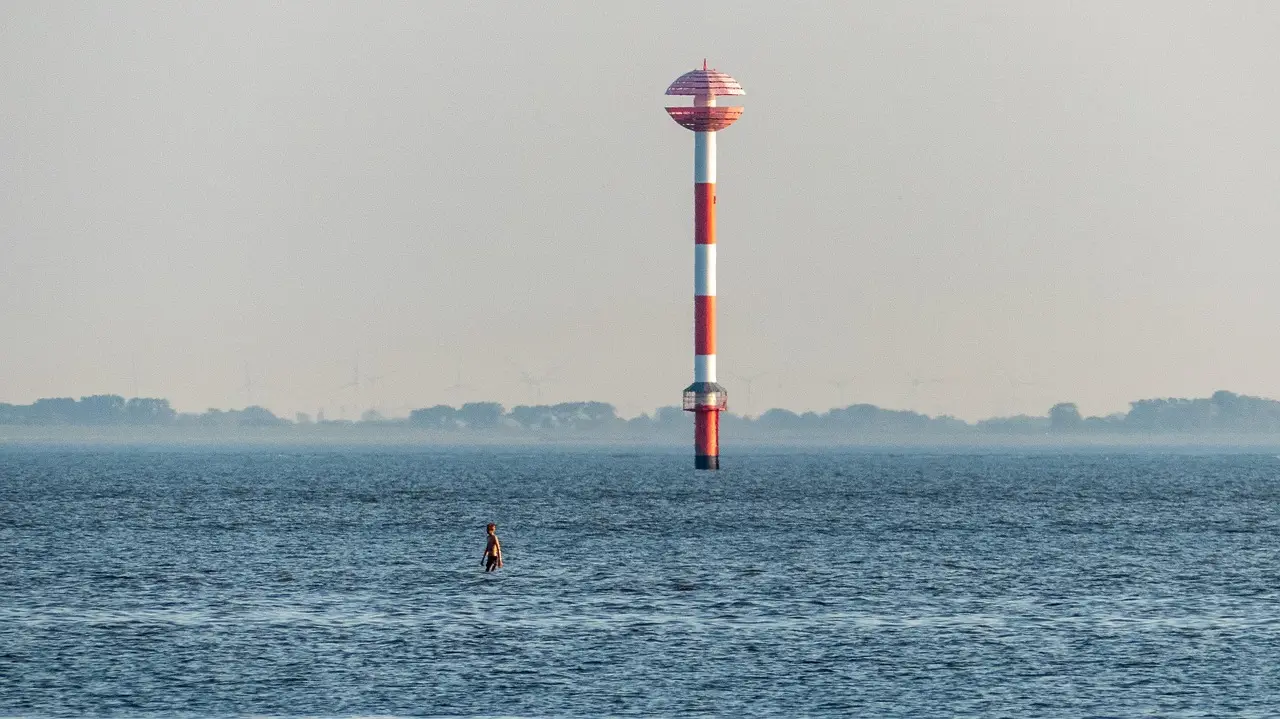
An LNG carrier caught fire and exploded after hitting a naval mine in the Strait of Hormuz, the Islamic Revolutionary Guard Corps (IRGC) Navy said Thursday. The vessel had switched off its positioning systems and attempted what the IRGC called an unauthorized transit.
The carrier tried to use "an unauthorized U.S.-Israeli-designated route," the IRGC Navy's Public Relations Office said, in comments carried by Iranian media early Thursday. The blast is the latest in a string of mining claims that now arrive almost daily from Tehran.
What exactly happened?
The IRGC did not name the vessel. It did not report casualties. It did not say whether the cargo ignited or the fire was contained.
That gap matters. An LNG explosion — methane at cryogenic temperature, carried as a liquid — is a different order of event than an engine-room fire on a crude tanker. The IRGC statement, as reported, conflates the outcomes. Until an independent operator or insurer confirms the damage profile, treat the cargo-loss claim with caution.
The IRGC's Strait of Hormuz Traffic Control Center issued a broader warning: "vessels violating Iran's regulations in the strait and, under what it described as deception by the US military, choosing unauthorized and illegal passage routes risk striking sea mines."
Note the framing. The warning assigns blame before any investigation. It also implies mines are charted, which raises the question of why a traffic control center would permit any transit at all through mined waters.
Takeaway: one LNG carrier hit a mine, per the IRGC, and the details that would verify the account are missing.
How many tankers is this now?
Wednesday brought two more incidents. Two oil tankers struck naval mines off the southern and eastern coasts of the strait, with fires erupting in their engine rooms, the IRGC said in a statement carried by Iranian news agency IRNA.
Earlier this week, Iran reported three additional tankers caught fire after hitting naval mines, again after what it described as violations of instructions from the IRGC Navy Traffic Control Center.
That is at least six vessels in roughly a week, all on Tehran's telling. Independent confirmation has not kept pace with the claims. War-risk premiums, the insurance cost charged for transiting a contested waterway, have absorbed the pattern even where hull-level verification lags.
These reports of tankers Tehran says are "violating" its navigation terms through the chokepoint have become nearly a daily occurrence in recent weeks. The strait carries roughly a fifth of globally traded oil; every mining claim, verified or not, prices risk into that flow.
Takeaway: six mined-tanker claims in a week, all sourced to one side of the conflict.
Why is Iran escalating now?
Timing is the tell. Iran has intensified attacks on tankers in the Strait of Hormuz just as crude oil flows from the Persian Gulf recover and oil prices fall on expectations of oversupply within months.
Read that incentive structure carefully. Falling prices pressure Tehran's revenue. Mining claims raise the perceived cost of Gulf shipments, which supports the price of exactly the barrels Iran sells. The escalation and the market share math point the same direction.
Crude prices bounced back in early Asian trade on Thursday. The climb followed fresh reports of tankers hitting mines in the Hormuz and the latest Yemeni Houthi attack on Saudi Arabia, which targeted a refinery.
That price move is market reaction, not established fact about physical supply. No loading terminal has reported force majeure. No volume has been officially lost. Traders are buying risk, and the risk is being manufactured — or at least narrated — daily.
Takeaway: attacks are accelerating into a falling-price, rising-supply market, and that is probably not a coincidence.
What happens next?
Watch three things. First, whether the mined LNG carrier's operator or flag state publicly confirms the incident and the cargo status. Second, whether war-risk insurers reprice Hormuz transits on the cumulative claims rather than single events. Third, whether Gulf loadings actually slip — the number that would turn Iranian pressure into a real supply story.
Until then, the chokepoint is trading on statements, and the statements all come from one navy.
via parstoday.ir (Original)
More from Priya Raman
Show full bio
Senior reporter covering technology and product news in Oil and gas industry operations and markets at Rig & Refinery.
684 articles
Adjoining reports
- Five Tankers Ablaze After Mine Strikes in Strait of Hormuz
- Tankers ablaze in Hormuz as drone alert halts Iraq's Khor Mor gas field
- Iran keeps Strait of Hormuz shut pending seven US conditions
- Two tanker strikes reported near Oman in Strait of Hormuz
- Six Tankers Struck by Mines in Hormuz; Brent Holds Mid-90s as Q4 Surplus Caps Rally