Well report No. RR-3426 · T4N · R22W · SEC 4 · filed October 10, 2026
Gas & LNGWell report
Baker Hughes Moves to Revive Offshore LNG Export Terminal in Texas
Baker Hughes is working to revive an offshore LNG export terminal on the Texas coast, Offshore-Energy.biz reports, re-energizing a stalled Gulf Coast liquefaction project.
Field notes
- Baker Hughes is working to revive an offshore LNG export terminal on the Texas coast, Offshore-Energy.biz reports.
- The project sits offshore rather than at established onshore Texas LNG hubs.
- No capacity, contract value, or schedule figures were disclosed in the report.
- Baker Hughes supplies liquefaction equipment and turbomachinery to LNG projects globally.
- Watch items: operator disclosure of mtpa capacity, permitting filings, and any FID milestone.
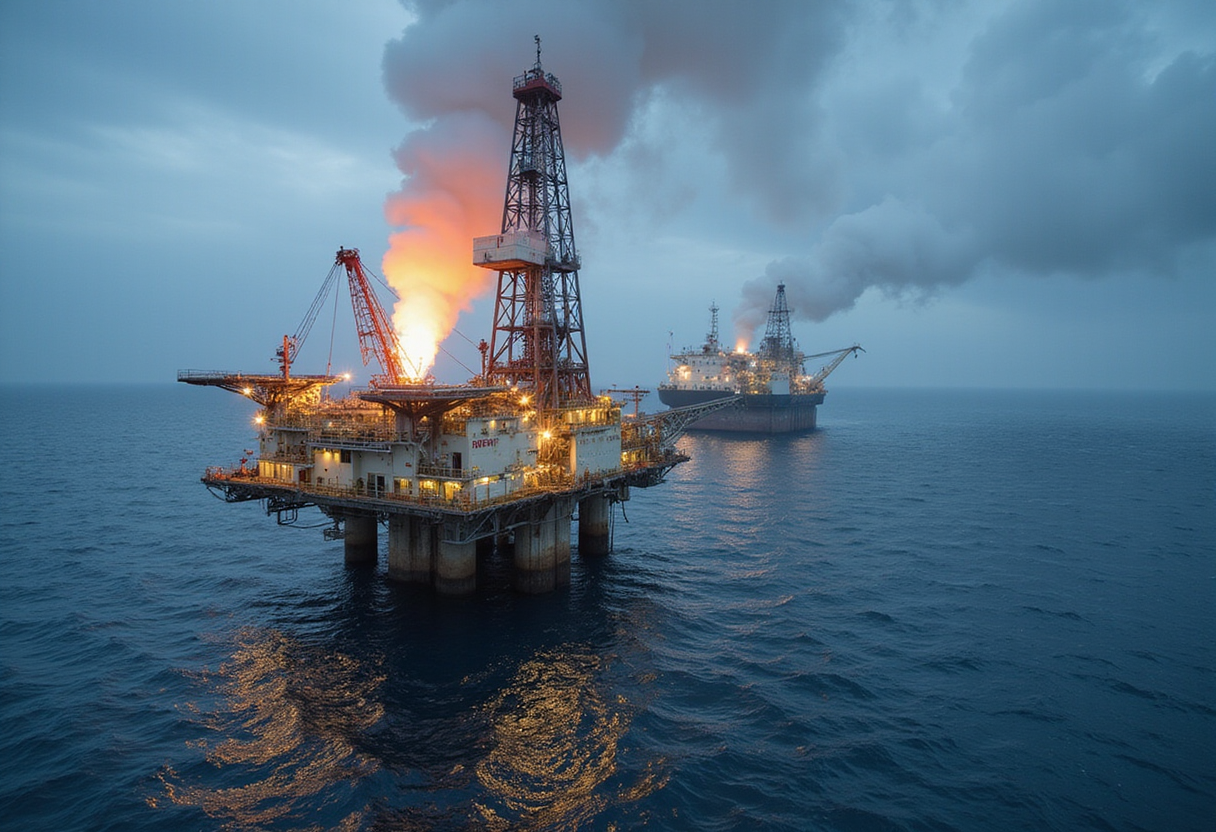
Baker Hughes has positioned itself as the company working to bring an offshore LNG export terminal on the Texas coast back to life, according to a report by Offshore-Energy.biz.
The announcement puts the oilfield services and energy technology company at the center of an effort to restart a Gulf of Mexico-bordering liquefaction project that had stalled — a development with direct implications for US LNG export capacity on the Gulf Coast.
What is Baker Hughes actually doing?
Offshore-Energy.biz frames the company's involvement as "breathing life" into the Texas offshore terminal, signaling that engineering, equipment supply, or technology deployment — the areas where Baker Hughes has built its LNG franchise — is once again moving at the site.
Baker Hughes has long supplied liquefaction trains, compressors, and turbomachinery to export projects worldwide. Its re-engagement with an offshore Texas terminal suggests the project's backers see a credible path back toward execution rather than continued suspension.
The report does not specify contract values, capacities in million tonnes per annum, or a revised construction schedule, and those figures will anchor the story once the operator discloses them.
Why an offshore terminal matters on the Texas coast
Most US LNG export capacity sits onshore — at Sabine Pass, Corpus Christi, Freeport, and the Golden Pass complex now ramping up. An offshore liquefaction terminal on the Texas coast would stand apart from that fleet by siting liquefaction and export infrastructure in federal or state waters rather than on land.
That distinction carries practical consequences:
- Reduced land acquisition and coastal permitting friction compared with onshore terminals
- Different regulatory oversight, involving marine and offshore authorities alongside FERC-equivalent processes
- Direct access to deepwater berthing for the largest LNG carriers
For a Gulf Coast already dense with LNG construction, an offshore option adds a distinct route to incremental export capacity.
How does this fit the wider LNG cycle?
The timing lands amid a robust American buildout of liquefaction capacity, with operators across Texas and Louisiana advancing new trains and expansions. Any revival of a stalled offshore Texas terminal would add to that queue — and to the already heavy demand curve for liquefaction equipment, EPC capacity, and skilled labor along the Gulf Coast.
Baker Hughes is one of a small number of suppliers — alongside Chart Industries, Air Products, and Condor-like niche players — able to package the turbomachinery and process equipment that LNG trains require. Its willingness to attach its name to a dormant offshore project reads as a commercial signal about the venture's seriousness.
Offshore-Energy.biz reports the story as an active development, not a study or a concept paper. The distinction matters in a sector where many announced terminals never reach a final investment decision.
What comes next?
The watch items from here are concrete. Watch for the operator to name a capacity figure in mtpa, for a phased construction schedule tied to first cargo dates, and for any FID milestone that converts this revival into a sanctioned project. Offshore LNG projects in US waters would also need to clear marine permitting hurdles, so regulatory filings will mark the next visible step.
Until the operator discloses numbers, the story stands as reported: Baker Hughes is the industrial player bringing an offshore LNG export terminal on the Texas coast back toward viability. Capacity, cost, and first-production dates remain the open variables.
via Google News: LNG export terminals (Source)
More from Olivia Hart
Adjoining reports
- Trump greenlights offshore Louisiana LNG export hub; project risks flagged
- US LNG exports climb as new Gulf Coast terminals ramp up
- Trump Administration Flags Progress at First U.S. Offshore LNG Project
- US LNG Exports Headed Past 120 Million Tonnes in 2026, DOE Says
- East Coast LNG Export Plans Suffer Another Setback