Well report No. RR-5187 · T17N · R5W · SEC 5 · filed October 2, 2026
OffshoreWell report
Boskalis Twin Tow Delivers MODEC FPSO Hull from Brazil to Denmark
Boskalis used a two-vessel formation to tow MODEC's FPSO from Brazil to Denmark, a transatlantic move that feeds the pipeline of FPSO refurbishment work at Danish yards.
Field notes
- Boskalis completed a two-vessel tow of a MODEC FPSO from Brazil to Denmark.
- The transatlantic route spans roughly 5,000 nautical miles from Brazilian yards to northern Europe.
- Neither Boskalis nor MODEC disclosed the financial terms or the specific Danish destination port.
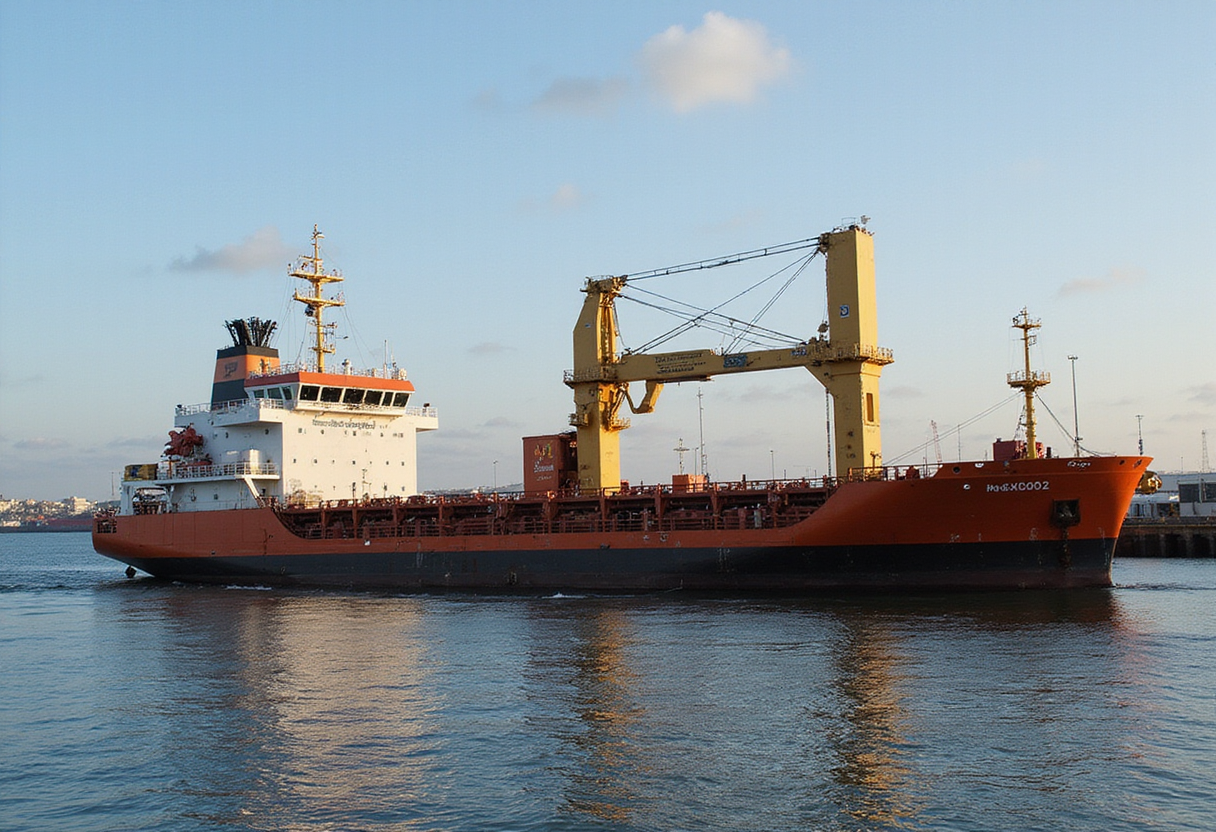
Boskalis has completed a two-vessel tow of a MODEC-designed FPSO from Brazil to Denmark, capping a transatlantic crossing that ranks among the more demanding heavy-transport jobs in the offshore market this season.
The Dutch marine contractor deployed a pair of its vessels to move the floating production unit across the Atlantic. Tandem tows of FPSO hulls on this route — roughly 5,000 nautical miles from Brazilian yards to northern European waters — typically run several weeks and demand careful weather routing through the North Atlantic's autumn and winter systems.
MODEC, the Tokyo-based FPSO specialist, has a long track record offshore Brazil, where it supplies spread-moored production vessels to operators in the pre-salt Santos and Campos basins. Units coming off contract or awaiting new deployment are routinely returned to yards in Europe or Asia for refurbishment, life-extension work, or conversion ahead of their next charter.
Boskalis has positioned itself as a lead contractor in this niche. Its fleet of heavy transport vessels and semi-submersibles handles FPSO and floating LNG module moves worldwide, and the company has built a recurring business shuttling production units between Brazilian fields and Northern European fabrication hubs. Denmark's yards, along with those in the wider North Sea region, remain a favoured destination for hull inspection, repair, and upgrade campaigns.
The two-vessel configuration Boskalis used gives the operation redundancy in propulsion and station-keeping that a single tow cannot match — a relevant consideration when the cargo is a fully fitted-out hull with riser balconies, turret structures, and topsides modules exposed to open-ocean conditions.
For the Danish side, the arrival adds to the pipeline of FPSO work flowing into local yards, which have absorbed several Brazilian-returned units in recent years. For MODEC, the move signals preparation for the vessel's next phase — whether that is a redeployment, an upgrade for a new charter, or yard work ahead of a fresh contract award.
Neither Boskalis nor MODEC has disclosed the financial terms of the tow, the vessel's specific identity in layman terms beyond the MODEC designation, or the exact Danish destination port.
Watch item: confirmation of the receiving yard in Denmark and the scope of work planned for the FPSO — the yard contract award will signal whether this unit is headed for redeployment or an extended upgrade programme.
via Google News: Offshore drilling and FPSOs (Source)
More from Olivia Hart
Adjoining reports
- Boskalis Tugs Complete Six-Week Transatlantic FPSO Tow to Denmark
- MODEC FPSO Hull Sails for China Yard Ahead of Brazil Integration
- Petrobras stakes claim as 'global benchmark' of FPSO industry
- BOMESC Lands SBM Offshore FPSO Contract Worth Up to $295 Million
- Wind-Assisted Towing Weighed for SBM Offshore FPSO Bound for Suriname