Well report No. RR-6049 · T19N · R9W · SEC 19 · filed November 2, 2026
Petroleum MarketsWell report
Brent Holds Above $116 as JPMorgan's $94 Model Misses the War
Brent holds above $116 per barrel, $22 above JPMorgan's $94 fair-value model, as tanker attacks and record freight costs keep a war premium the flow data cannot erase.
Field notes
- Brent trades above $116 per barrel against JPMorgan's modeled fair value of $94.
- Benchmarks are set for a fourth consecutive monthly gain.
- Middle East crude shipping costs have hit all-time highs amid dozens of tanker attacks.
- IEA's Fatih Birol says market disruption will likely persist well into next year.
- US midterms on November 3 are the next catalyst; Trump has floated resuming hostilities after the vote.
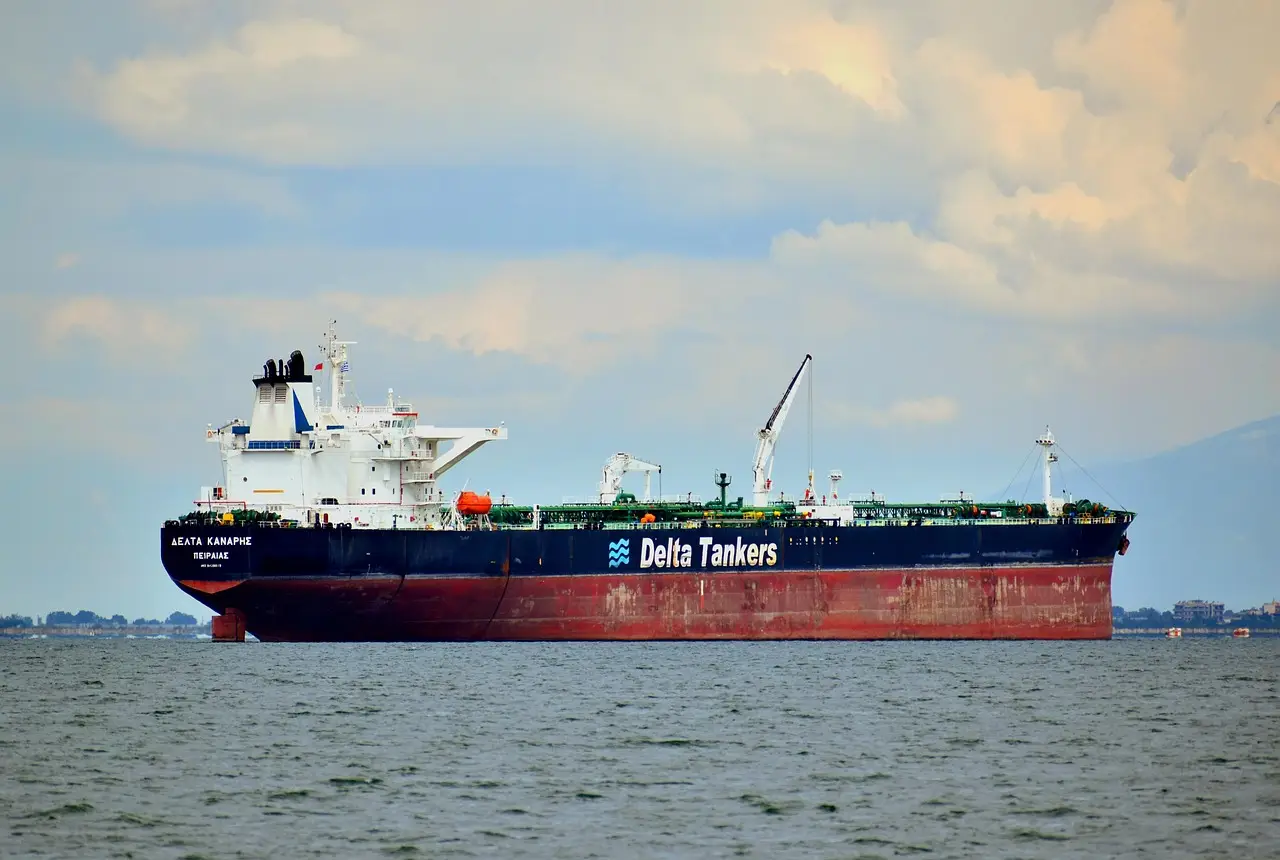
Brent crude trades above $116 per barrel. That is the number that matters this week, and it sits $22 above what one of Wall Street's most watched models says the barrel should cost.
JPMorgan's head of global commodities, Natasha Kaneva, told the Wall Street Journal this week: "What is the price of oil? Eight months into the war with Iran, what should be a straightforward question has become surprisingly hard to answer." Her own price model puts fair value for Brent at $94. The market has declined to agree. Benchmarks are set for their fourth consecutive monthly gain, despite a month of reports claiming Gulf oil flows have recovered to pre-war levels.
The gap between model and market is not mysterious. It is freight, insurance and risk.
Why did the recovery headlines not move prices?
Dozens of tankers have been hit by drones or missiles in the Persian Gulf in recent weeks. Saudi Arabia has shifted to ship-to-ship transfers off the coast of Oman to reduce the risk of its vessels being struck in Hormuz or the Red Sea. That maneuver works, but it consumes tonnage and has produced a tanker shortage.
Shipping costs for Middle East crude have consequently soared to all-time highs, prompting producers to discount their barrels to defend demand. The flows themselves, meanwhile, cannot be sustained in an environment where a missile attack remains a live possibility.
UBS commodity strategist Giovanni Staunovo told the Wall Street Journal: "This recovery has coincided with a sharp deterioration in maritime security as vessels remain exposed to attacks and insurance and freight costs have risen sharply."
In plain words, the war premium is alive, well and invoiced through the freight market.
What happened to the supply cushion?
In the early weeks of the war, the market reaction was oddly calm. Traders expected the conflict to end within weeks, and the world was amply supplied, so futures barely moved. Physical barrels told a different story, surging while paper stayed flat.
Several months later, the two markets have begun converging, with physical prices off their earlier highs. But the cushion behind that early complacency is gone. Eight months in, peace remains elusive and drivers are paying record-high diesel prices at the pump. Three months ago, oil moved primarily on President Trump's Truth Social posts and anonymous briefing reports that peace was near. The market has since returned to pricing barrels.
The International Energy Agency's executive director, Fatih Birol, said this week the disruption will likely continue well into next year. "I am afraid I don't see any credible pathway that the markets will go next year, where we were before this war has started," Birol said. He added the crisis would accelerate what he calls "The Age of Electricity," though electricity prices remain tied closely to the hydrocarbons that generate most of the world's power. Skepticism is available at no charge.
What comes after the midterms?
The next scheduled catalyst is the November 3 midterms, now days away. President Trump has said on several occasions he is considering a return to hostilities after the vote. Iran has answered with threats of retaliation should the hot war resume. Diplomatic efforts by Gulf states and Pakistan continue, but both sides appear positioned to fight.
Most market participants, it seems, expect a renewal of hostilities in the Gulf. That expectation alone keeps a floor under prices, whatever flows out of Hormuz this month.
The watch items are plain. Watch the midterm date of November 3. Watch tanker attack counts and freight rates, not flow headlines. Watch any credible sign of a ceasefire. Until one appears, Brent stays above $100 regardless of what any fair-value model says.
The takeaway is unkind to modelers. The barrel is priced by missiles and tonnage shortages now, and peace is the only input that changes that.
via wsj.com (Original)
More from Daniel Okafor
Show full bio
Market editor covering companies, deals and strategy in Oil and gas industry operations and markets at Rig & Refinery.
548 articles
Adjoining reports
- Saudi Infrastructure Back in Crosshairs as Brent Holds Near $105
- Brent Holds Near $103 as Hormuz Risk Offsets Saudi Return
- WTI Jumps 2.1% to $93.78 on Saudi Attacks Near Hormuz
- Brent Slips Below $112 as Hormuz Attacks Fail to Lift Oil Before Midterms
- Brent at $108: Houthi Strikes Put Saudi Output in the Firing Line