Well report No. RR-7155 · T9N · R37W · SEC 9 · filed November 2, 2026
Petroleum MarketsWell report
Brent Slips Below $112 as Hormuz Attacks Fail to Lift Oil Before Midterms
Brent slipped below $112 and WTI held near $102 ahead of Tuesday's US midterms, as Rubio said no decision had been made on renewing strikes on Iran.
Field notes
- Brent slipped below $112 a barrel on November 1, 2026, after a jump of more than 2% on Friday.
- West Texas Intermediate traded around $102 a barrel.
- US Secretary of State Marco Rubio said no decision had been made on fresh strikes on Iran.
- The US-Iran conflict has run for eight months; Khamenei ordered expanded US retaliation plans.
- US midterm elections are scheduled for Tuesday, anchoring the week's trading.
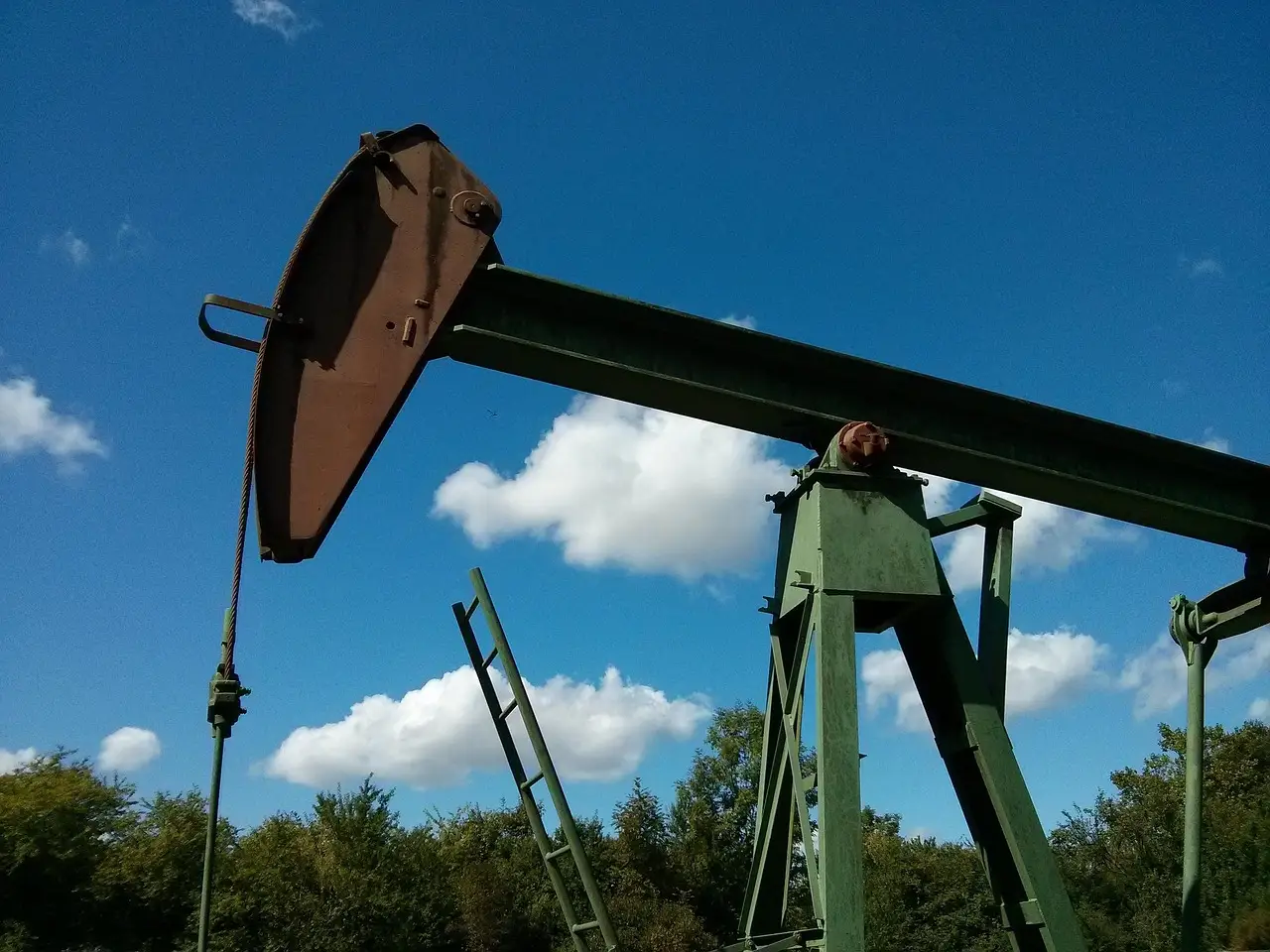
Brent slipped below $112 a barrel on November 1, giving back part of a gain of more than 2% recorded on Friday. West Texas Intermediate traded around $102. The retreat came despite fresh attacks on vessels near the Strait of Hormuz and explicit Iranian threats to widen retaliation if Washington renews its strikes.
The timing is not incidental. US voters go to the polls in midterm elections on Tuesday, and crude is refusing to behave like a market at war. Traders appear to be pricing politics over projectiles, at least for now.
What moved the price?
The anatomy of the session is straightforward.
- Brent closed below $112 after Friday's jump of more than 2%.
- WTI held near $102.
- The catalysts — Hormuz vessel attacks and Iranian threats of broader retaliation — would, in a normal quarter, add risk premium rather than remove it.
An eight-month conflict between the United States and Iran now forms the background against which every barrel through Hormuz is priced. For context, the strait carries roughly a fifth of the world's oil; attacks on shipping there have historically pushed benchmarks up by several dollars within days. This time the market leaned the other way.
The verdict is plain: sellers outnumbered worriers.
What did Washington say?
US Secretary of State Marco Rubio said no decision had been made on fresh strikes against Iran. He added that President Donald Trump prefers a diplomatic resolution to the eight-month conflict.
That single statement carries the session. It converts a war-premium question into an election-week waiting game, and desks treated it accordingly — which is to say, they sold.
Rubio's remarks followed reports that Iran's Supreme Leader Ayatollah Ali Khamenei had ordered the military to expand plans for retaliation against the United States. Tehran's posture, in Bloomberg's framing, is a long game: prolong the conflict and test Washington's appetite for a faster resolution.
Two capitals, two clocks. Iran can wait; a US president facing midterms on Tuesday arguably cannot.
Why is Iran's strategy complicating the picture?
Bloomberg's accompanying analysis, headlined "Iran's Long Game Complicates Trump's War Plans," makes the mechanism explicit. Iran's strategy of prolonging its conflict with the US is testing Trump's desire for a quicker resolution, and that dynamic — not the attacks themselves — is what oil desks must now price.
A prolonged conflict with no decision on renewed strikes sits awkwardly between bullish and bearish. It keeps the Hormuz risk alive on paper while removing the immediate escalation that would send Brent through its recent range.
For refiners and crude buyers, the practical read is this: volatility stays, direction does not. A $10 spread between Brent and WTI persists, wide by the standards of recent years, and freight and insurance costs on Gulf routes remain the quiet tax on every cargo that does sail.
What happens next?
The watch items are few and fixed.
- Tuesday's US midterm elections, the calendar anchor for the week.
- Any US decision — or non-decision — on renewing strikes, which Rubio placed firmly in the "undecided" column.
- Further Hormuz incidents and whether Iran's expanded retaliation plans move from order to execution.
Until one of those resolves, the market's working assumption is stalemate. Attacks on tankers, once a guarantee of a higher print, now compete with election arithmetic and diplomatic signals. Brent below $112 with warships and burning hulls in the frame is the tell.
The one-sentence takeaway: the market has decided the Hormuz threat is negotiable, and it will need more than a tanker incident to change its mind.
via bloomberg.com (Original)
More from Daniel Okafor
Show full bio
Market editor covering companies, deals and strategy in Oil and gas industry operations and markets at Rig & Refinery.
554 articles
Adjoining reports
- Brent Slips to $115/bbl on Iran Diplomacy; TTF Hits 22-Month High
- WTI Back Above $100 on Hormuz Attack, but Canadian Crude Lags
- WTI Jumps 2.1% to $93.78 on Saudi Attacks Near Hormuz
- Oil Jumps 2% as Saudi Strikes, Tanker Hits Reset Hormuz Calculus
- Brent Holds Above $100 as Hormuz Tanker Traffic Sinks to Two-Month Low