Well report No. RR-5987 · T1N · R13W · SEC 1 · filed September 30, 2026
Upstream Drilling & ProductionWell report
Canada Issues Wave of Oil Drilling Permits in Emerging Play
EnergyNow reports a wave of Canadian oil drilling permits in what it calls the country's next big play, with no operators, well counts, or formations yet named.
Field notes
- EnergyNow reports Canada has approved a wave of oil drilling permits in what it calls the country's next big play
- No permit counts, operator names, target formations, or provincial regulators were disclosed in the report
- Permit issuance is the first public datapoint in Canada's development chain, preceding rig activity and CAOEC rig count updates
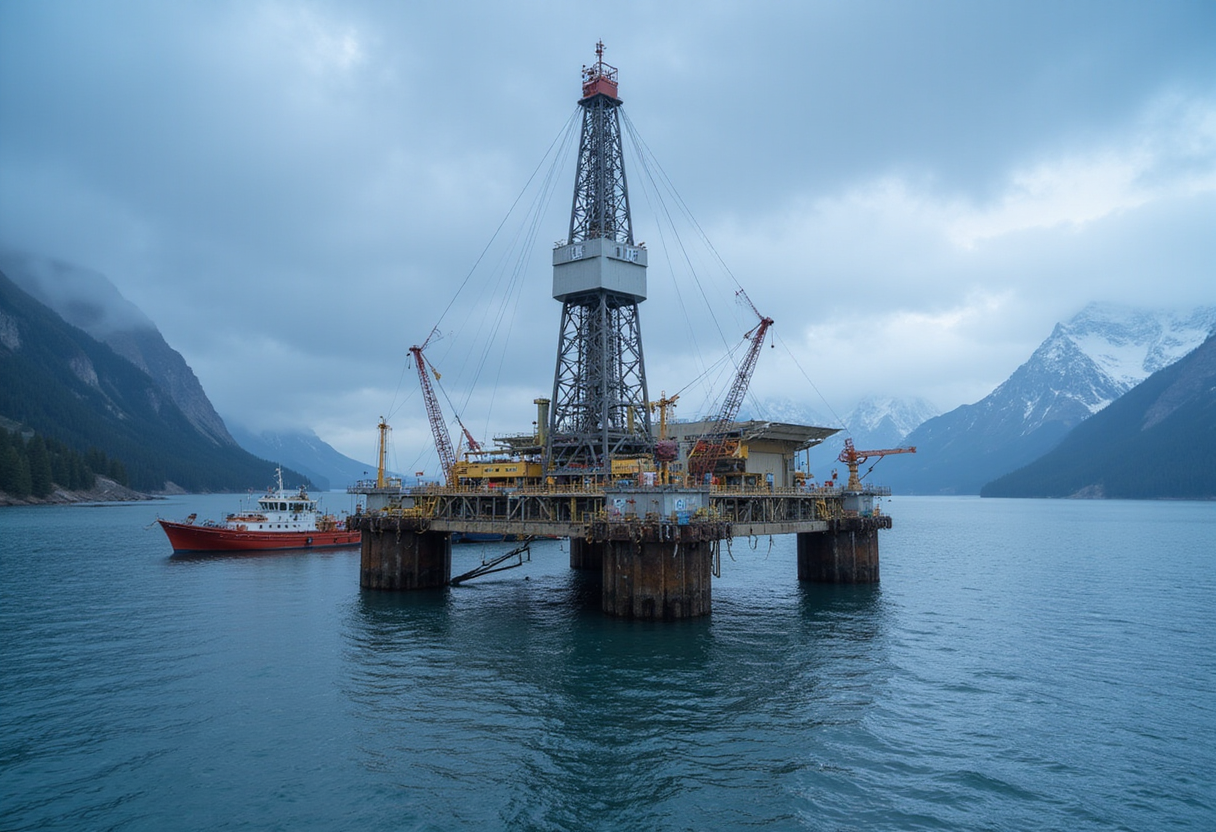
Canada's regulators have approved a wave of oil drilling permits targeting what EnergyNow describes as the country's "next big play," according to a report published by the energy news service.
The headline is the story: permits, plural, and a play that industry watchers are already calling the next significant development arena in Canadian oil. What the report does not yet provide — and what the market will need before treating this as a sanctioned development rather than appraisal-stage activity — is the count of approved licences, the names of the operators holding them, or the basins and formations where the permits sit.
That distinction matters. A permitting wave is an early-cycle signal. It tells readers that operators have filed, and regulators have granted, the legal right to spud. It does not tell them that rigs are moving, that capital has been sanctioned, or that first oil has a date on the calendar. In the Western Canadian Sedimentary Basin, the gap between a issued permit and a rig on pad has historically run from weeks in established sweet spots to never in acreage that never pencilled out.
What the report establishes
EnergyNow frames the permitting activity as a wave rather than a trickle, and identifies the target as a play the publication considers the country's next major oil development arena. That is the full substance of the disclosure as it stands. The article did not, in the material available to this desk, name the provincial regulator involved — which in practice means either the Alberta Energy Regulator, the BC Energy Regulator, or Saskatchewan's Ministry of Energy and Resources, since virtually all Canadian oil permitting runs through those three bodies.
Why permitting news moves the needle anyway
In Canada, permit issuance is the first hard, public datapoint in the development chain. It precedes surface leases, precedes rig contracts, precedes the drilling reports that the Canadian Association of Energy Contractors rolls into its weekly and monthly rig counts. When permits cluster in a single play over a compressed window, it usually signals one of two things: a lease-expiry clock forcing operators to drill or lose acreage, or a genuine shift in economics that has cleared internal capital hurdles at more than one company.
Which of those two forces is at work here cannot be determined from the headline alone, and this desk will not speculate.
The competitive context
Any new Canadian oil play arrives into a market where the country's total production sits above 5 million b/d and where takeaway capacity — particularly the Trans Mountain expansion, in service since May 2024 — has eased the egress constraints that suppressed WCS differentials for a decade. Producers have responded by holding activity flat-to-higher across the WCSB rather than chasing growth, a posture that makes a concentrated permitting surge in a specific play an outlier worth watching.
The watch items
Three disclosures will convert this from headline to story. First, the provincial regulator's own permit database, which publishes licence numbers, target formations, and holders — that filing will name the play and the operators. Second, the next CAOEC rig count breakdown, which will show whether permits translate into spuds. Third, the calendar: permits in Canada typically carry drilling obligations, so the deadline attached to these licences sets the clock on when activity must appear.
Until then, treat this as what it is: a regulatory green light, reported by EnergyNow, on a play the Canadian industry has not yet drilled into public view.
via Google News: Oil drilling and production (Source)
More from Daniel Okafor
Show full bio
Market editor covering consumer brands and retail at Rig & Refinery.
90 articles