Well report No. RR-3754 · T22N · R23W · SEC 10 · filed September 30, 2026
Upstream Drilling & ProductionWell report
Federal Plan Would Open Thousands of Colorado Acres to Drilling
A federal decision will open tens of thousands of acres of Colorado wilderness to oil drilling, Colorado Newsline reports, potentially adding acreage in a state where output centers on the DJ and Piceance basins.
Field notes
- Federal government to open tens of thousands of acres of Colorado wilderness to oil drilling, per Colorado Newsline.
- Specific parcel lists, acreage totals, and lease sale timing were not detailed in the initial report.
- Watch item: the next BLM Colorado lease sale notice, which will reveal whether the acreage is offered and whether operators bid.
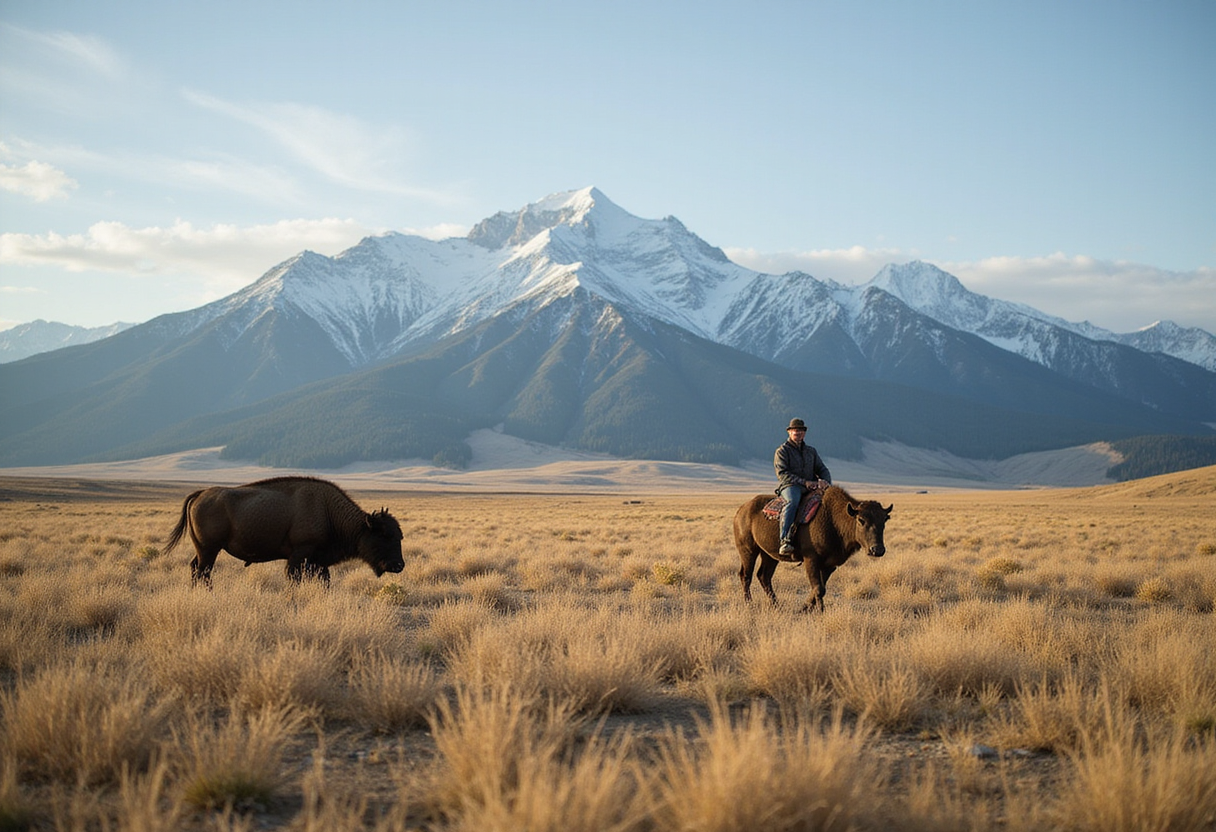
The federal government has moved to open tens of thousands of acres of Colorado wilderness to oil drilling, according to a report by Colorado Newsline.
The decision marks a significant shift in land-use policy for the affected acreage, which until now has remained outside the leasing footprint available to operators working the state's producing basins. Colorado's oil and gas output is concentrated in the Denver-Julesburg Basin on the Front Range and in the Piceance Basin on the Western Slope, and any new federal acreage placed on the leasing table would be watched most closely by operators already positioned in those plays.
Details of the announcement — including the precise acreage figures, the specific field offices or resource management plans involved, the parcel lists, and the timing of any upcoming lease sales — were not specified in the report as carried. Federal onshore leasing in Colorado runs through the Bureau of Land Management, which typically publishes quarterly lease sale notices identifying individual parcels, their surface and subsurface splits, and any stipulations attached to development.
For operators, the practical question following any such decision is not the headline acreage but the executable inventory it creates. Wilderness-adjacent and wilderness-character parcels generally carry tougher permitting conditions, longer environmental review timelines under the National Environmental Policy Act, and, in Colorado, the additional state-level oversight administered under the Colorado Oil and Gas Conservation Commission's permitting regime following the 2019 rewrite of the state's oil and gas law. That framework shifted the mission statement of the state regulator to prioritize public health, safety, welfare, and the environment, a change that has slowed some permitting even where federal lease rights exist.
Industry groups have long argued that additional federal leasing in the West restores inventory optionality for operators facing maturing portfolios; conservation groups, as Colorado Newsline's framing of "wilderness" acreage suggests, are likely to contest the decision, and litigation over federal lease sales in Colorado has been a recurring feature of the past decade. Nominal lease issuance and drillable inventory remain separated by years of procedural steps.
The watch item: the next BLM Colorado lease sale notice. It will show whether the newly available acreage actually appears as offered parcels, at what stipulation burden, and whether the tracts draw bids at all — the clearest early read on whether operators see commercial potential in the ground or view the opening as symbolic.
via Google News: Oil drilling and production (Source)
More from Elena Vasquez
Adjoining reports
- White House Moves to Accelerate Alaska Drilling Approvals
- Colorado Regulators Approve Stronger Methane Rules for Oil, Gas Production
- US Auctions Contested Arctic Acreage for Oil Drilling
- Trump administration moves to reopen Southern California offshore leases
- US Appeals Ruling That Halted Alaska Drilling in Caribou Area