Well report No. RR-2397 · T23N · R41W · SEC 35 · filed October 10, 2026
Midstream & PipelinesWell report
Chevron to divest Hess Midstream stake, book $3-4B writedown
Chevron will sell its Hess Midstream interest and book a $3 billion to $4 billion writedown tied to the divestiture, clearing the non-core midstream line inherited with the Hess Corporation acquisition.
Field notes
- Chevron is offloading its Hess Midstream interest, according to The Motley Fool.
- The divestiture will trigger a $3 billion to $4 billion writedown.
- Hess Midstream is a publicly traded MLP gathering, processing and transporting Bakken crude and natural gas from the Williston Basin.
- The charge flows through Chevron's reported earnings in the period the sale closes; adjusted earnings typically exclude non-cash impairments.
- CVX's 2025 capital-return guidance will indicate whether divestiture proceeds fund an accelerated buyback or stay on the balance sheet for upstream investment.
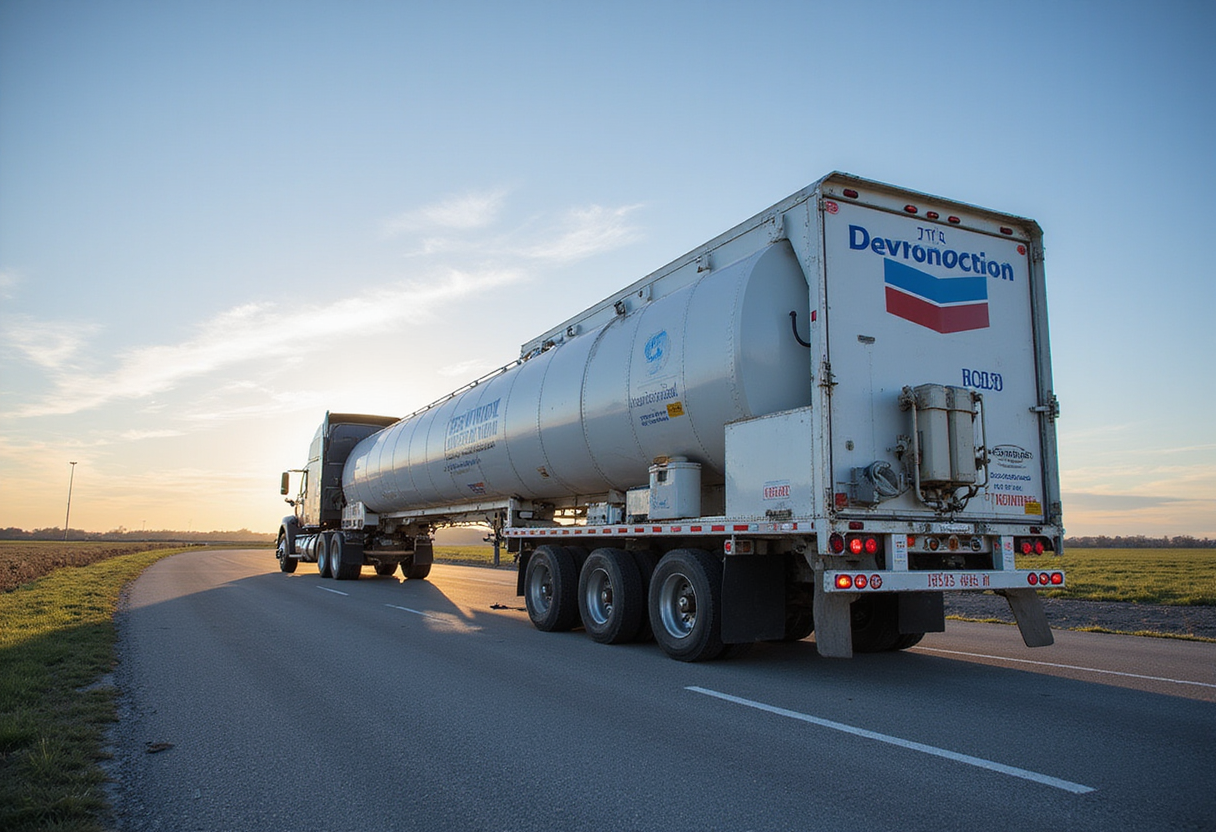
Chevron is moving to offload its Hess Midstream interest and will book a $3 billion to $4 billion writedown tied to the divestiture, according to The Motley Fool. The transaction clears a non-core line item from the supermajor's consolidated portfolio and prices in the gap between carrying value and expected sale proceeds.
The charge brackets non-cash impairment, mark-to-market adjustments, contract termination costs and associated tax effects, based on the description in the source report. Investors will see the figure land on Chevron's reported earnings for the period in which the sale closes. Adjusted earnings calculations typically exclude non-cash impairments - a standard add-back that restores most of the optics once the writedown runs through the model.
How does Hess Midstream fit Chevron's portfolio?
Hess Midstream operates as a publicly traded master limited partnership gathering, processing and transporting crude oil and natural gas from the Williston Basin in North Dakota. The MLP structure pairs sponsor backers with public unit holders, letting the operator monetize gathering and processing economics without committing consolidated balance-sheet capital to midstream infrastructure.
For a supermajor that channels free cash flow toward operated upstream growth, holding a non-controlling interest in a third-party MLP fits the divest profile rather than the core portfolio. Chevron's exposure to Hess Midstream originates with the broader Hess Corporation deal that closed in the prior cycle. The divestiture aligns with the company's stated capital-allocation framework: operated upstream first, base-business sustainment second, shareholder returns third.
Selling the MLP interest also reduces the administrative touchpoints - separate reporting requirements, distribution governance, and the partnership's standing as a publicly listed vehicle - that come with sponsoring a third-party midstream entity.
What changes for CVX shareholders?
The hit removes a portion of book value that will not be recovered through future operations or cash flow. The open questions center on timing - when the sale closes and which quarter carries the charge - and on how proceeds flow through the capital-return plan.
Chevron's repurchase pace through year-end, set against the current commodity strip and free-cash-flow guidance, will determine whether divestiture proceeds anchor an accelerated buyback or remain available for incremental capex. Selling the midstream stake trims a line item with limited operational fit.
Industry participants read a sale of this scale as portfolio simplification rather than retrenchment. The assets remain productive and contracted; the change is in ownership, not operations. Pipeline throughput, gathering agreements and processing contracts continue under existing terms. The Williston Basin midstream market has stayed active, with private operators and infrastructure funds positioning as long-term holders of similar assets.
How does the writedown hit earnings?
Mechanics matter for how the figure flows through GAAP versus cash earnings. Mark-to-market on the equity-method carrying value against the expected sale price produces the headline $3-$4 billion charge. Tax effects - including deferred-tax balance adjustments and outside-basis differences - adjust the residual. The after-tax cash impact runs materially smaller than the reported figure, but the GAAP line-item hit is what investors see in the period the sale closes. That distinction frequently draws more attention in headlines than it warrants in actual valuation impact.
For modeling purposes, analysts will typically strip the non-cash impairment out of per-share earnings and add the after-tax cash recovery from the eventual sale to the next-period free cash flow. The headline impact is a one-time event; long-run equity value depends on how the cash flows forward.
Three watch items
First, the closing date of the Hess Midstream sale marks the recognition point for the charge. Second, the final after-tax size depends on the price agreed with the acquirer. Third, CVX's 2025 capital-return guidance - framed against current strip prices and forward free cash flow - signals whether divestiture proceeds fund an accelerated buyback or stay on the consolidated balance sheet for incremental upstream investment.
via Google News: Pipelines and midstream (Source)
More from Priya Raman
Show full bio
Senior reporter covering media and advertising at Rig & Refinery.
381 articles
Adjoining reports
- Chevron Swaps Hess Midstream Stake for 50% Bakken Cost Cut, $200M
- Chevron Books $3-4 Billion Writedown on Hess Midstream Exit
- Hess Midstream Lines Up Purchase of Chevron's DJ Basin Assets
- Chevron to Sell Hess Midstream Stakes and DJ Basin Assets
- Chevron halves Bakken midstream costs, exits Hess Midstream for $200 million