Well report No. RR-8632 · T22N · R28W · SEC 34 · filed October 10, 2026
Gas & LNGWell report
Delfin Clears FID on $5 Billion Floating LNG Project Off Louisiana
Delfin Midstream cleared FID on its $5 billion floating LNG export project off Louisiana, unlocking 4.4 mtpa of capacity from the first sanctioned U.S. offshore LNG terminal. BlackRock's GIP leads the investor group; first cargo is targeted for 2030.
Field notes
- FID announced June 3, 2026, unlocking approximately $5 billion for the first phase
- Delfin FLNG 1 capacity: 4.4 million tonnes per year — first U.S. FLNG export facility
- Project sits 40 miles off Louisiana; full site licensed in March 2025 for up to three vessels totaling 13.2 mtpa
- Investor consortium led by Global Infrastructure Partners (BlackRock), with MOL, Vitol, and Diameter Capital Partners
- Long-term offtakers include Vitol, Expand Energy, Centrica, and Gunvor; EPC contracts with Samsung Heavy Industries and Black & Veatch
- First LNG production targeted for 2030
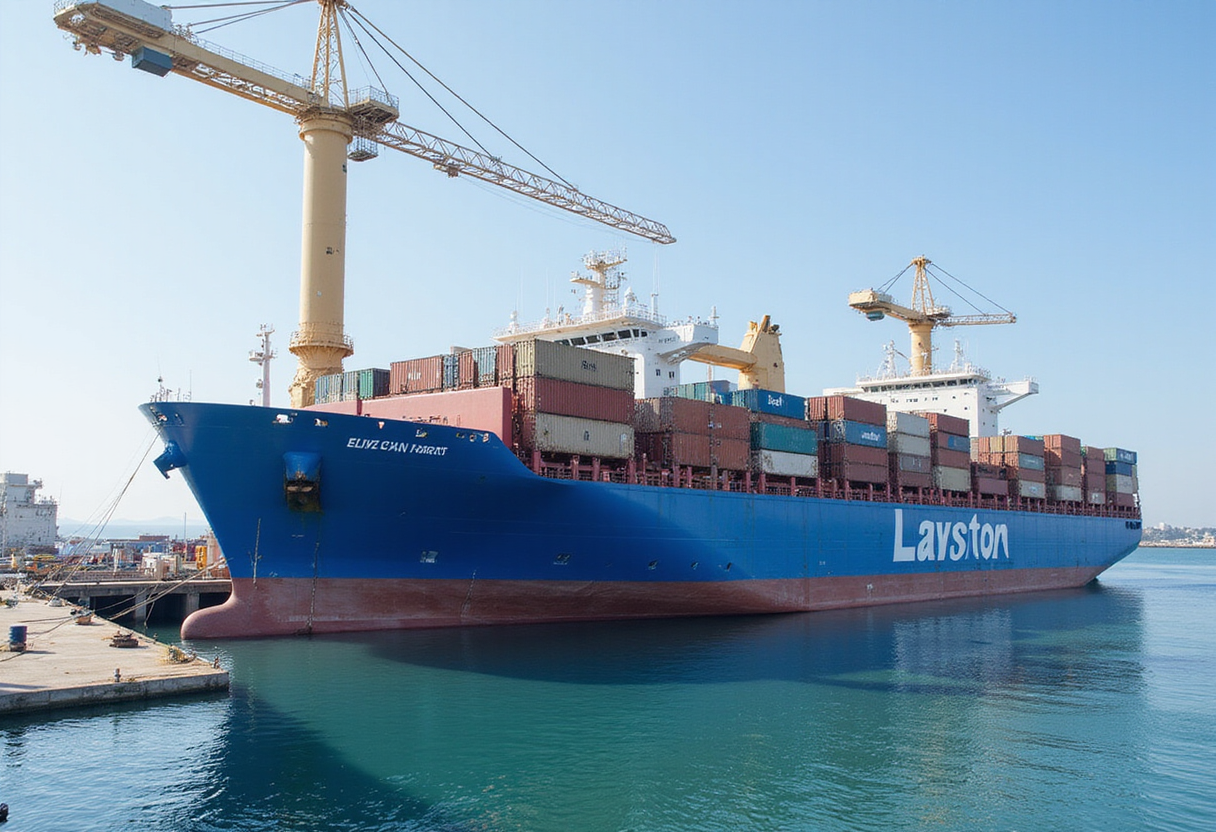
Delfin Midstream approved a final investment decision on Wednesday for the first phase of its floating LNG export project, unlocking approximately $5 billion in capital for a 4.4 million-tonne-per-year floating liquefaction vessel roughly 40 miles off the Louisiana coast.
The vessel, named Delfin FLNG 1, will become the first floating LNG export facility in U.S. waters and the largest FLNG development globally by capacity, the company said in its June 3 announcement.
Global Infrastructure Partners (GIP), now part of BlackRock, leads a consortium that has agreed to invest alongside existing Delfin backers Mitsui O.S.K. Lines (MOL), Vitol, and Diameter Capital Partners.
What does the project cover?
Delfin FLNG 1 sits inside a broader development that received a deepwater port license from the U.S. Maritime Administration in March 2025 — the first offshore LNG export terminal ever authorized by the federal government. The license covers up to three FLNG vessels with combined export capacity of 13.2 million tonnes per year.
The first vessel has been sanctioned. Delfin expects it to enter LNG production in 2030 and will advance the second and third vessels over the coming year.
The project uses floating liquefaction units connected to existing offshore pipeline infrastructure, avoiding the extensive onshore buildout that conventional shore-based terminals require.
Who has contracted the LNG?
Delfin said the first vessel is backed by long-term LNG sales agreements with four offtakers: Vitol, Expand Energy, Centrica, and Gunvor. Construction contracts run to Samsung Heavy Industries and Black & Veatch.
How are the partners framing the deal?
Delfin CEO Dudley Poston said: "Securing FID for our first FLNG vessel is a groundbreaking milestone not only for Delfin, but also for global energy security." Poston added that the project would advance U.S. "energy and maritime dominance."
Vitol's Americas chief executive Ben Marshall called the investment an opportunity to deliver "reliable, cost-competitive American energy to global markets."
MOL President and CEO Jotaro Tamura said the Japanese shipping group intends to draw on its offshore and floating facility expertise to support the project.
Where does this sit in the U.S. export buildout?
Delfin's project enters the queue alongside a wave of Gulf Coast LNG sanctions. Cheniere Energy completed its Stage 3 expansion at Corpus Christi in August and shipped its 5,000th cargo from U.S. facilities the same month. A separate long-term supply agreement between Cheniere and Petrobras, announced in September, underscores continued downstream demand for Henry Hub-linked volumes.
The Delfin project differs in one structural respect: it is the first sanctioned U.S. LNG export project that loads directly offshore without a shoreline terminal, mirroring a model that operators in Australia and Africa have deployed at smaller scale.
Watch the items
- First cargo date: Delfin targets first LNG production from FLNG 1 in 2030; slippage of more than 12 months would push the U.S. FLNG export debut into a new regulatory cycle.
- Vessel two and three: Each requires its own FID to add up to 8.8 million tonnes per year of additional capacity to the 4.4 mtpa base.
- Samsung Heavy Industries and Black & Veatch: Yard scheduling and EPC execution will gate the 2030 startup window.
- Permit durability: The March 2025 deepwater port license now anchors a sanctioned project, raising the cost of any future license challenge.
- Competitive FLNG: Watch whether additional Gulf deepwater FLNG developers move to FID on the back of Delfin's financing template.
via gcaptain.com (Original)
More from James Calloway
Show full bio
Staff writer covering industry trends and analytics at Rig & Refinery.
400 articles
Adjoining reports
- Delfin Midstream clears FID on first US floating LNG export project
- Court Upholds Delfin LNG Deepwater Port License Offshore Louisiana
- Delfin Advances Second Floating LNG Vessel for US Gulf Coast
- US DOT Flags $5 Billion for 'First' Waterborne LNG Export Project
- Trump greenlights offshore Louisiana LNG export hub; project risks flagged