Well report No. RR-7451 · T9N · R30W · SEC 9 · filed November 13, 2026
Petroleum MarketsWell report
Diesel at Triple Early-2026 Norms Steepens Oil Backwardation
WTI settled at $88.74 on 12 November as diesel cracks hit roughly three times early-2026 norms, steepening backwardation to levels last seen in the top decile since 2010 and widening Brent's premium over WTI.
Field notes
- Front-month WTI settled at USD 88.74/bbl on 12 November, up USD 2.21 (+2.5%); Brent Jan-27 traded near USD 95.7-96.0.
- Diesel crack spreads versus Brent stand at roughly three times early-2026 norms.
- The WTI curve falls more than USD 33/bbl, from 86.53 in Dec-26 to 53.29 in Dec-33.
- The Brent M1-M12 spread is USD 15.57/bbl, a level historically signaling tight seaborne prompt supply.
- ICE gasoil trades near USD 1,200-1,300/t nearby, keeping refining margins robust.
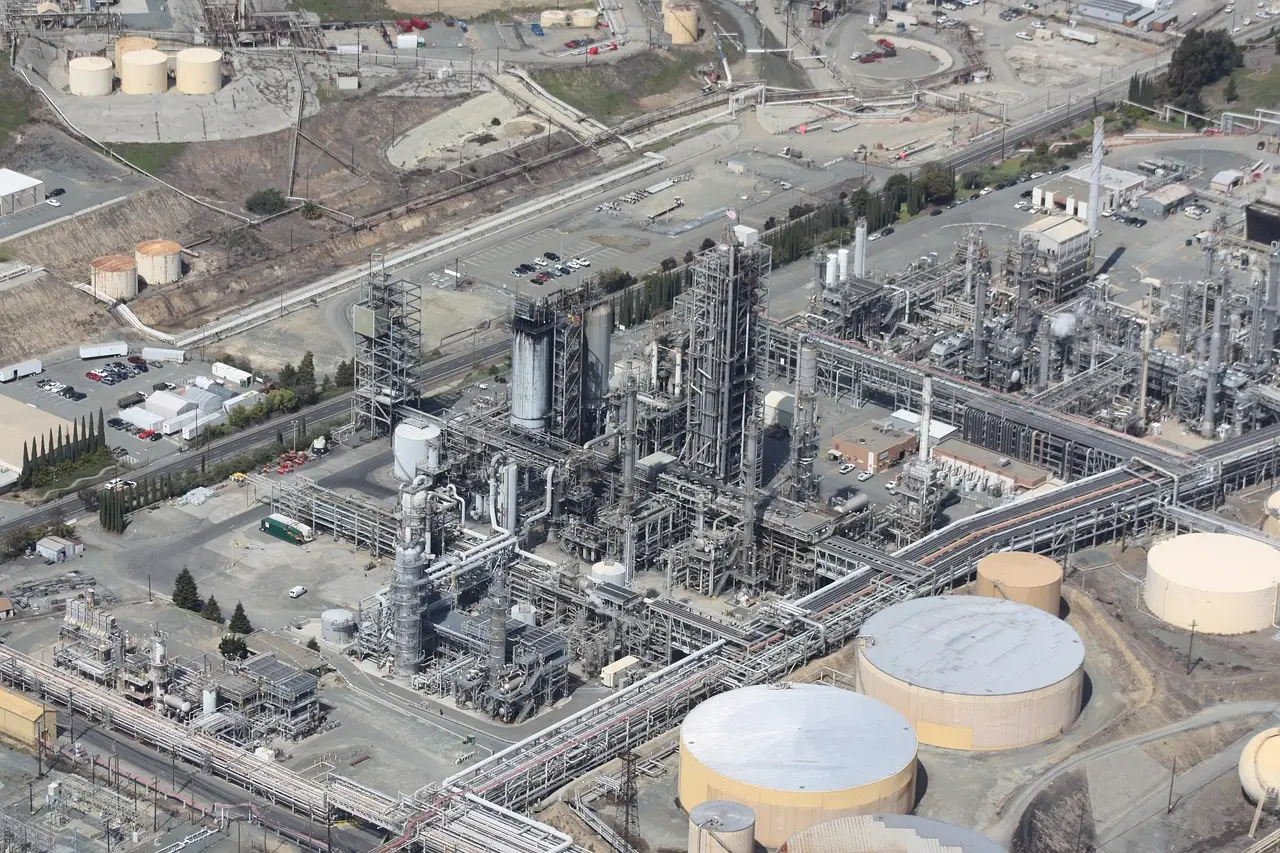
Front-month WTI settled at USD 88.74/bbl on 12 November, up USD 2.21 on the day, as diesel cracks near triple their early-2026 norms pulled both crude benchmarks sharply higher. Brent Jan-27 printed around USD 95.7–96.0/bbl, a gain of almost USD 3.00, outpacing WTI and widening the Atlantic Basin spread. The rally, in short, is a diesel story wearing a crude costume.
The settlements confirm a tight-near, looser-far structure across both curves. NYMEX WTI Dec-26 gained 2.5 percent to 88.74, with Jan-27 up another 2.26 to 87.69. The prompt WTI Dec/Jan spread sits near USD 1.05/bbl, a level in roughly the top decile of trading days since 2010. Buyers are paying up for barrels now, and the curve records their impatience in plain numbers.
How steep is the backwardation?
Steep enough to measure in tens of dollars. The WTI strip falls from USD 86.53/bbl in December 2026 to USD 53.29/bbl in December 2033, a decline of more than USD 33/bbl across the listed horizon, reaching the low-50s by late 2035-36. Brent's term structure is steeper still: the Jan-27 versus Dec-27 spread trades above USD 15/bbl, with the M1-M12 spread marked at USD 15.57. That spread is not a technical curiosity; historically, levels above USD 15 correspond to genuinely tight prompt availability of seaborne barrels. Long-dated contracts, meanwhile, price a gradual normalization back toward the low-60s, with Brent sliding to that band by 2037.
ICE low-sulfur gasoil tells the downstream half of the story. Nearby prices sit around USD 1,200–1,300 per tonne, easing along the curve but still delivering robust refining margins. The distillate market, not the crude market, is the binding constraint in this configuration.
Why is diesel doing the heavy lifting?
US and global diesel crack spreads versus Brent have surged to roughly three times early-2026 levels, meaning a refiner processing a barrel today earns about triple the margin on distillate that prevailed at the start of the year. Three factors underpin the surge:
- Damage to Middle East and Russian refining capacity
- Longer tanker routes around the Middle East
- Thin US distillate inventories against strong domestic diesel consumption
Strong US diesel demand and limited global refining capacity keep the distillate market tight, while shipping constraints through key chokepoints affect seaborne crude more than inland US barrels. That asymmetry explains why Brent's premium to WTI keeps widening, tightening Atlantic Basin supply while WTI catches only the reflected glow. The result is a market where high cracks backstop crude outright prices on any pullback.
What does the far end of the curve expect?
The back of the strip prices some combination of further refining capacity additions in 2026-27, gradual normalization of disrupted flows, and softer demand growth as high prices feed through to macro activity. It is a forecast, not a fact, and forecasts at the far end of an oil curve have a modest track record lately. With the front WTI M1-M2 spread trading stronger than roughly 90 percent of days since 2010, near-term balances remain tight enough that inventory rebuilds are likely to be slow and vulnerable to further supply shocks.
A recent academic stress test of oil-supply shocks reinforces the point: larger-than-expected disruptions would still have outsized effects on inflation via energy and food, even from today's elevated price base. Combined with current backwardation and strong diesel cracks, near-term risk for front-month crude skews modestly to the upside, with volatility staying high.
How are desks positioning?
The trading views for the next one to four weeks divide cleanly by seat at the table.
- Producers and hedgers: The high front-end flat price and steep backwardation favor incremental hedging of 2027-28 barrels while keeping some upside participation in nearby months.
- Consumers: End-users with heavy diesel exposure face more risk from product prices than from crude; the recommendation is to lock in cracks or outright diesel rather than focus solely on crude hedges.
- Speculators: The curve's steepness favors time-spread strategies, such as front-end bull spreads, while leaving outright longs vulnerable to macro or policy-driven corrections.
The three-day directional indications read as follows. WTI front month (Dec-26): after the 2-3 percent rally, bias is consolidation with a slight upward tilt, conditional on prompt spreads staying firm. Brent front month (Jan-27): likely to remain relatively stronger than WTI given seaborne tightness and robust diesel cracks, keeping the Brent-WTI spread elevated. ICE Gasoil: product strength should persist, keeping refining margins wide and indirectly supporting crude on dips.
The watch item
Watch the prompt spreads, not the flat price. If the WTI Dec/Jan spread holds near USD 1.05/bbl and the Brent M1-M12 stays above USD 15, the market is telling refiners to run hard and telling everyone else that inventory rebuilds will be slow; if they compress, the consolidation turns into a correction, and the diesel floor gets its first real test.
via commodity-board.com (Source)
More from Daniel Okafor
Show full bio
Market editor covering companies, deals and strategy in Oil and gas industry operations and markets at Rig & Refinery.
577 articles
Adjoining reports
- Brent Slides 6.7% to $92.12 as Iran War Premium Deflates
- Brent at $92.63: Steep Backwardation Signals Tight Barrels Now, Looser Later
- OPEC+ Discipline Meets War Risk in a Falling Crude Curve
- Brent at $113.88 as Hormuz Risk Premium Steepens Backwardation
- WTI Whipsaws Between $88.67 and $96.78 on Hormuz Reopening Signals