Well report No. RR-1349 · T9N · R1W · SEC 21 · filed November 10, 2026
Petroleum MarketsWell report
Brent Slides 6.7% to $92.12 as Iran War Premium Deflates
Front-month WTI fell 5.13% to $86.40/bbl and Brent dropped 6.73% to $92.12/bbl on Nov 9 as the market priced out Iran conflict risk, though backwardation signals prompt barrels remain tight.
Field notes
- NYMEX WTI (Dec 26) settled at $86.40/bbl on Nov 9, down 4.43 or 5.13%
- ICE Brent (Jan 27) settled at $92.12/bbl, down 6.20 or 6.73%
- IEA: global observed inventories remain more than 500 million barrels below pre-war levels
- EIA weekly inventory data due Wednesday, Nov 11, 10:30 a.m. ET; API preview Nov 10
- ICE gasoil (Nov 26) closed at $1,316/t, down 3.69%
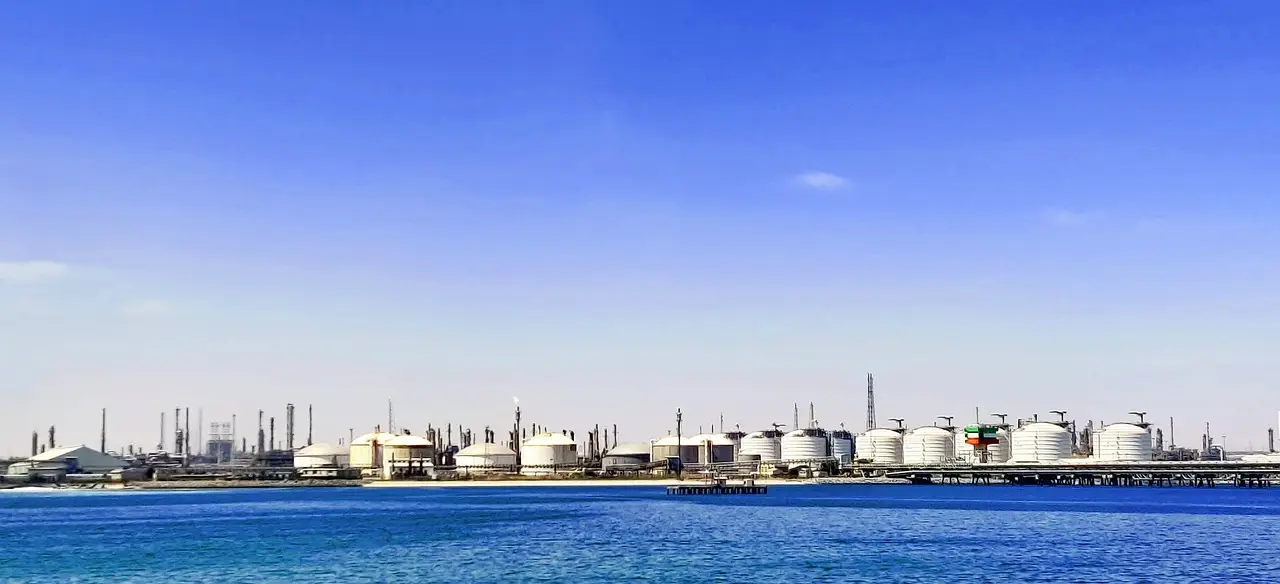
Front-month WTI settled at $86.40/bbl on November 9, down $4.43 or 5.13% on the day, as the market stripped risk premium out of crude after U.S. administration comments signaled the Iran conflict is winding down. Brent fell harder. ICE Brent for January 2027 delivery settled at $92.12/bbl, off $6.20 or 6.73%, while WTI's January and February 2027 contracts closed at $85.25 and $83.96, losing just over and just under 5% respectively.
The sell-off is a repricing of the front of the curve, not a structural break. Both benchmarks remain in backwardation — a curve shape where prompt barrels price above deferred ones, signaling physical tightness — from the low-90s for early 2027 delivery down toward the mid-60s by 2034-2035. Farther out, WTI drifts to roughly $61-62/bbl by late 2031 and near $52/bbl by early 2036, where daily moves are marginal. No contango, in other words. The correction compressed a premium; it did not flip the structure.
What triggered the drop?
The catalyst was rhetoric, not barrels. Public comments from the U.S. administration describe the war with Iran as "militarily effectively over" and further large-scale attacks as "quite unlikely." A naval blockade still constrains Iran's exports, a detail worth more attention than the headline de-escalation. Markets read the comments as lowering the probability of a fresh major supply disruption through the Strait of Hormuz, and the conflict premium embedded in Brent and WTI compressed rapidly.
Risk assets took the cue. U.S. equities posted their strongest session since April on November 9, with reporters explicitly tying the gains to the near-6% Brent drop. Crude is now working as a relief valve for macro anxiety rather than a stagflation driver. Fine for equities. Less fine for anyone counting on the geopolitical bid returning quickly, given that attacks on energy infrastructure continue.
How far did products follow?
Diesel softened in tandem, but less than crude. ICE low-sulphur gasoil for November 2026 closed at $1,316/t, down $48.50 or 3.69%. December 2026 settled at $1,252/t (−3.25%) and January 2027 at $1,210/t (−3.20%). Deferred gasoil contracts slope gently lower through 2027, then flatten and drift modestly higher from 2028 onward, where changes are small and even turn slightly positive.
That pattern tells you the downside adjustment sits almost entirely in nearby demand. It does not tell you middle distillate scarcity is over, and the flattening from 2028 suggests traders expect refinery runs and logistics to adjust slowly rather than a demand collapse.
What do fundamentals say?
The market is still undersupplied on a stock basis. The IEA's latest monthly report puts global observed inventories more than 500 million barrels below pre-war levels, with OECD gasoil stocks at multiyear lows despite some recent rebuilding. That is a large deficit, and it argues against treating this week's move as the start of a slide to long-dated levels.
Demand is adjusting too. High prices and weaker industrial activity have trimmed oil demand growth, and new Global Carbon Project data point to a small decline in fossil-fuel CO₂ emissions in 2026, driven by reduced oil and gas use during the conflict and faster renewables deployment. The EIA's Weekly Petroleum Status Report for the week ending October 30 showed still-tight product stocks, with crude balances adjusting gradually through higher non-OPEC+ supply and some demand destruction.
The watch item: U.S. crude and product inventory data Wednesday, November 11, at 10:30 a.m. ET, with an API (American Petroleum Institute) preview due November 10. Any surprise build in U.S. crude or diesel stocks would likely reinforce the bearish shift at the front of the curve.
What is the short-term outlook?
Early trading on November 10 showed follow-through, not fresh shock. Brent eased another 0.23% after a 5.85% decline; WTI fell about 0.4% in early trade. Momentum, not news.
Desk commentary accompanying the data frames the trade-offs plainly:
- Producers and hedgers: the drop offers only partial hedge value relative to recent highs; layer hedges on rebounds toward high-80s/low-90s WTI and mid-to-high-90s Brent.
- Physical buyers: use the correction to secure near-term supply, especially diesel, where absolute prices remain historically elevated; stagger purchases ahead of inventory data.
- Speculators: the steep but still-backwardated curve favors calendar spreads (front-vs.-deferred relative value) over outright directional bets; watch for backwardation narrowing if builds materialize or de-escalation solidifies.
That is analysis to attribute, not fact. The three-day desk view calls WTI moderately lower to sideways, Brent at downside risk with scope to consolidate in the low-90s, and gasoil tracking crude with a lag, supported on dips by tight inventories and seasonal demand.
The honest read: a deflating premium on top of a still-tight physical market. Prompt barrels have not loosened — inventories say they cannot have — and the decisive data point arrives Wednesday morning.
via commodity-board.com (Source)
More from Priya Raman
Show full bio
Senior reporter covering technology and product news in Oil and gas industry operations and markets at Rig & Refinery.
594 articles
Adjoining reports
- OPEC+ Discipline Meets War Risk in a Falling Crude Curve
- Brent at $113.88 as Hormuz Risk Premium Steepens Backwardation
- Brent Slides Toward $92 as Iran Risk Premium Deflates
- WTI Whipsaws Between $88.67 and $96.78 on Hormuz Reopening Signals
- Brent Slips Below $112 as Hormuz Attacks Fail to Lift Oil Before Midterms