Well report No. RR-8938 · T14N · R9W · SEC 2 · filed November 16, 2026
Upstream Drilling & ProductionWell report
EGPC Signs Halliburton Deal to Prep 50-Well Unconventional Programme
EGPC and Halliburton signed an agreement to prepare a 50-well, 18-month unconventional drilling programme, following first gas from fractured Abu Rawwash F at nearly 3 mcf/d.
Field notes
- EGPC and Halliburton agreed on 12 November to prepare a 50-well drilling programme over 18 months.
- The programme combines horizontal drilling with multi-stage hydraulic fracturing.
- Fracturing at the NES-8 well in the Western Desert produced gas at rates approaching 3 mcf/d from the Abu Rawwash F formation.
- The deal follows talks between Minister Karim Badawi and Halliburton executives at ADIPEC in Abu Dhabi in November.
- Halliburton separately launched its IntelliTTCE cement evaluation service and acquired Norway-based Keystone.
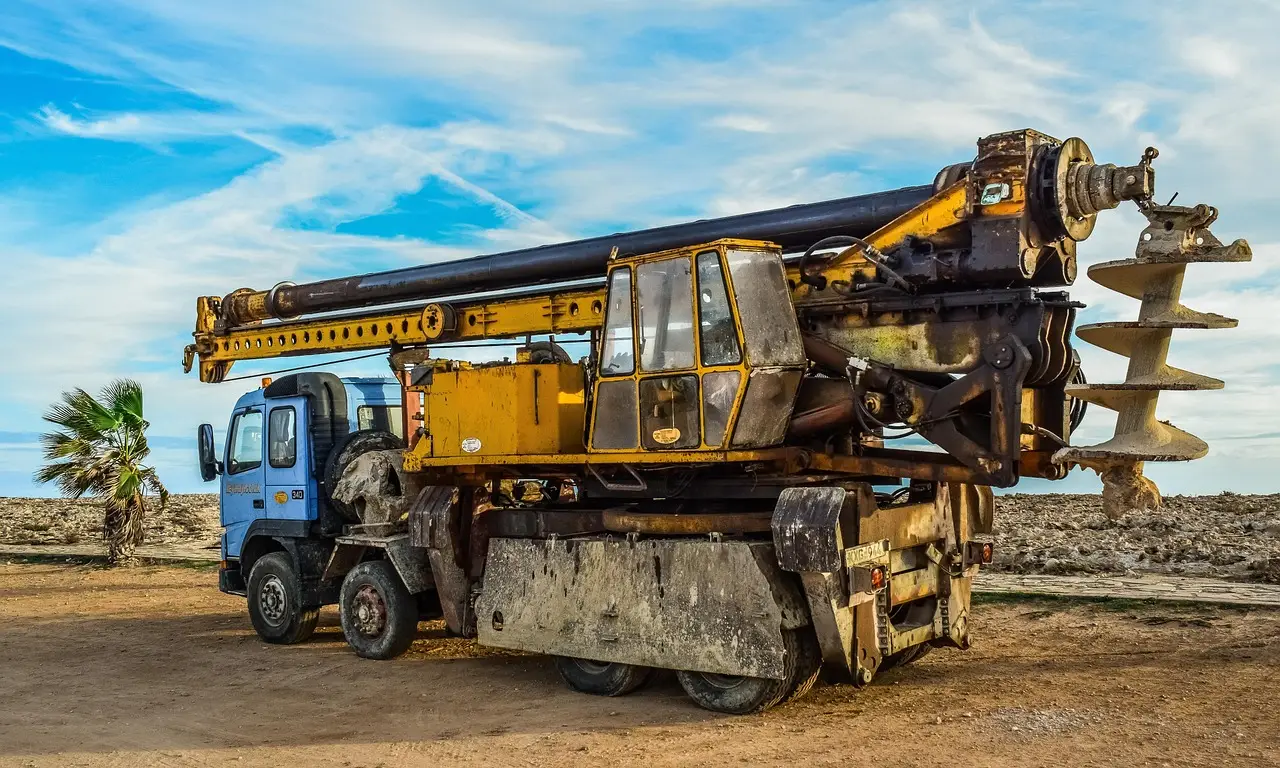
Egypt's General Petroleum Corporation has signed an agreement with Halliburton to prepare a 50-well drilling programme running 18 months, using horizontal drilling and multi-stage hydraulic fracturing across its concessions.
The petroleum ministry announced the deal on 12 November. Technical studies under the agreement will examine how to raise oil and gas recovery from existing EGPC concessions and reach geological formations that have never been produced before.
That last phrase deserves attention. Tapping untapped formations in a mature patch is the whole point of the initiative launched this year by the ministry, which aims to bring unconventional extraction methods into existing producing fields and lift domestic output.
Where the proof came from
The agreement follows fracturing work at the NES-8 well in Egypt's Western Desert. It marked the first use of the technique to extract gas from the low-permeability Abu Rawwash F formation, according to the ministry.
Production rates approached 3 million cubic feet per day — roughly 1.1 billion cubic feet per year, enough context to judge whether the play justifies 50 wells of follow-up. The short verdict: one well proves a tool, not a basin. Hence the studies.
Who signed, and after what
Petroleum and Mineral Resources Minister Karim Badawi said the agreement followed talks with Halliburton executives earlier in November at the ADIPEC conference in Abu Dhabi. He described the signing as a rapid move from discussion to practical steps.
EGPC chief executive Salah Abdel Karim and Halliburton Egypt country manager Amr Azzam signed the deal in Badawi's presence. Halliburton chairman and CEO Jeff Miller joined by videoconference and affirmed the company's commitment to supporting Egypt's upstream production goals with its expertise and technology.
The programme remains at the preparation stage. No well count, budget or drilling start date has been sanctioned yet. Fifty wells over 18 months averages roughly one spud every 11 days once work begins, a pace that demands rigs, crews and frac fleets Egypt has not yet publicly lined up.
Halliburton's parallel moves
The EGPC deal sits alongside two other Halliburton announcements. The company introduced its IntelliTTCE through-tubing cement evaluation service, designed for offshore plug and abandonment work. The service assesses cement conditions before operators mobilise resources, trimming the cost of a task every mature offshore province performs at scale.
Halliburton also announced its acquisition of Norway-based Keystone, a developer of software for well planning and execution. The fit with a 50-well Egyptian programme is not accidental: planning software and cement evaluation both serve exactly the kind of high-well-count, efficiency-driven campaigns the Cairo agreement anticipates.
What to watch
The watch items are concrete. First, whether the technical studies convert into a sanctioned drilling programme with a firm schedule and contractor awards. Second, whether additional Abu Rawash F wells confirm the roughly 3 mcf/d rate seen at NES-8, which would move the formation from a curiosity to a development target. Third, Egypt's broader response to its domestic gas balance, the pressure behind the ministry's unconventional initiative.
The ministry has set the direction. The wells will set the pace.
via Offshore Technology (Source)
More from Daniel Okafor
Show full bio
Market editor covering companies, deals and strategy in Oil and gas industry operations and markets at Rig & Refinery.
596 articles
Adjoining reports
- Egypt Targets Midstream Emissions Cuts as Gas Output Push Accelerates
- ONGC Lines Up $10 Billion Offshore Drilling Drive, 87 Wells by 2031
- Petrobras confirms second oil find at Morpho well off Amapá
- Egypt revives Tobruk-Alexandria pipeline plan on strategic urgency
- Shell Starts Up Mina West at 160 MMcf/d, Three Years After Find