Well report No. RR-9592 · T22N · R9W · SEC 34 · filed October 12, 2026
Oilfield ServicesWell report
Egypt's Badawi and SLB CEO Talk Technology to Lift Output
Egypt's petroleum minister Karim Badawi met SLB's chief executive to discuss technology cooperation aimed at boosting the country's oil and gas production, Egypt Oil & Gas reported.
Field notes
- Egypt's petroleum minister Karim Badawi held talks with SLB's chief executive on technology cooperation to boost oil and gas production.
- Egypt Oil & Gas reported the meeting; no direct quotations were published.
- No contract value, project scope, or timeline was disclosed.
- No formal agreement or memorandum of understanding accompanied the announcement.
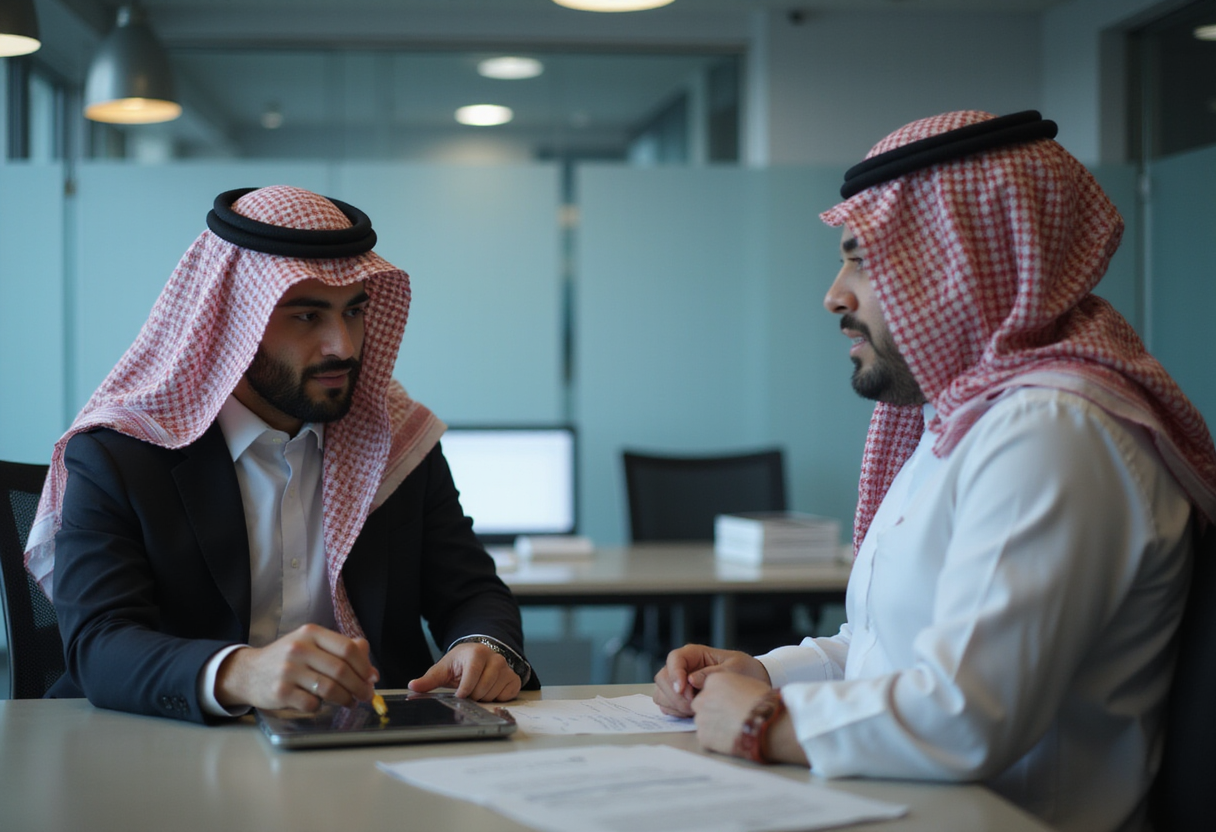
Egypt's Minister of Petroleum and Mineral Resources Karim Badawi has held talks with the chief executive of SLB on technology cooperation aimed at boosting the country's oil and gas production, Egypt Oil & Gas reported.
The meeting places a service-company technology agenda directly on the table of a ministry that continues to manage a stretched hydrocarbon balance. Egypt has spent the past two years working to arrest natural declines in mature fields, ramp up output from the Zohr gas complex area, and attract fresh exploration capital to both the Mediterranean and the Western Desert.
According to the report, the discussions between Badawi and the SLB chief executive centered on how technology cooperation could support higher production. Neither the ministry nor SLB disclosed specific project commitments, contract values, or field-level scope as part of the announcement.
Who said what?
Egypt Oil & Gas framed the encounter as a discussion of technology cooperation to boost Egypt's oil and gas production. The report did not publish direct quotations from either participant, and no formal agreement or memorandum of understanding was announced alongside the meeting.
That leaves the talks at the exploratory stage rather than the sanctioned-project stage. For a ministry that has signed a string of exploration and production agreements with international operators over the past year, the distinction matters: technology partnerships with a major service company typically translate into field-level work programs — production optimization, artificial lift, digital reservoir management, drilling efficiency — only after commercial terms are set.
Why does SLB's involvement matter for Egypt?
SLB, one of the world's largest oilfield-services companies, already works across basins and plays that overlap with Egypt's upstream portfolio, including offshore gas developments in the East Mediterranean and onshore concessions in the Gulf of Suez and the Western Desert. Service-sector technology agreements of the kind discussed here generally target several levers:
- arresting decline rates in mature fields;
- improving recovery factors through enhanced oil recovery and reservoir surveillance;
- cutting drilling time and cost per well;
- deploying digital tools for production optimization.
For Egypt, where gas production has struggled to keep pace with domestic demand and LNG import needs, even single-digit percentage gains in recovery or well productivity carry material weight for the national balance.
The reported talks also fit a broader pattern. Egypt's petroleum ministry has spent recent years courting both operators and service companies, pairing new exploration rounds with debt-settlement arrangements for existing partners, in an effort to restore investor confidence and rebuild production profiles across its gas and oil chains.
What comes next?
No timeline accompanied the announcement. The watch items are concrete: whether the discussions between Badawi and the SLB chief executive convert into a signed technology framework or field-level contracts, which concessions or complexes any resulting work would target first, and how quickly any production-lift commitment would show up in Egypt's monthly output statistics.
Egypt Oil & Gas carried the meeting as a discussion of technology cooperation; the market signal to watch is the follow-up — an agreement, a pilot program, or a named project. Until then, the item remains ministerial dialogue rather than a sanctioned initiative.
via Google News: Oil drilling and production (Source)
More from Daniel Okafor
Show full bio
Market editor covering consumer brands and retail at Rig & Refinery.
361 articles
Adjoining reports
- Egypt Targets Midstream Emissions Cuts as Gas Output Push Accelerates
- Algeria's Arkab Holds Talks With OPEC Secretary-General on Oil Market
- Egypt revives Tobruk-Alexandria pipeline plan on strategic urgency
- Algeria's Arkab Sits Down With OPEC Secretary General on Market State
- OPEC+ Holds November Output Targets, Citing War-Linked Supply Caps