Well report No. RR-8838 · T20N · R41W · SEC 8 · filed October 10, 2026
Petroleum MarketsWell report
OPEC+ Holds November Output Targets, Citing War-Linked Supply Caps
OPEC+ has held its collective November oil output targets unchanged, leaving the current production framework in place even as armed conflict continues to constrain physical crude availability, Egypt Oil & Gas reports.
Field notes
- OPEC+ has kept its collective November oil output targets unchanged
- Egypt Oil & Gas attributes the hold to war limiting physical crude supply
- OPEC+ operates on consensus among 23 member states formed through the 2016 alliance declaration
- Saudi Arabia and Russia carry the largest combined weight within the group
- The next OPEC+ ministerial review is typically held in early December
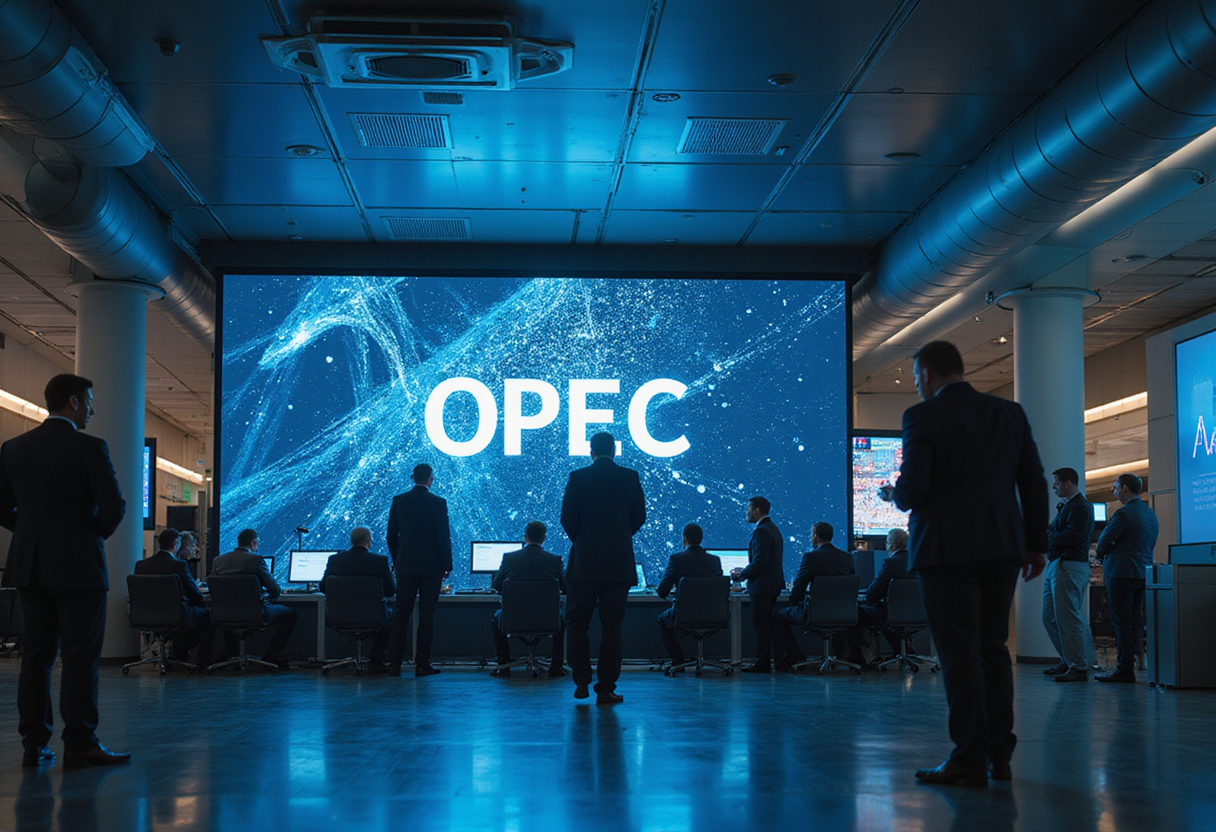
OPEC+ has held its collective November oil output targets unchanged, leaving in place the current production framework even as armed conflict continues to constrain physical crude availability, Egypt Oil & Gas reported.
The group's decision preserves the existing quota structure heading into the fourth quarter. OPEC+ has signalled repeatedly across recent ministerial cycles that it prefers steady targets over fresh supply additions while geopolitical tensions continue to disrupt flows from multiple producing regions.
Why hold the line on quotas?
The decision reflects the working assumption that additional output from compliant producers offers limited relief when war removes barrels from the market. Disrupted shipments face insurance, routing, and freight constraints that blunt the effect of any new volumes on global benchmarks.
Egypt Oil & Gas did not publish the full OPEC+ statement text alongside the report. The headline framing — unchanged targets while war limits supply — captures the group's posture in compressed form.
How does OPEC+ typically structure these reviews?
OPEC+ conducts monthly ministerial reviews of the global oil market, with member states sending national delegations led by their respective oil ministers. The group operates on a consensus model that requires agreement among major producers before any quota revision takes effect.
The alliance of OPEC members plus ten additional producing countries, formalised in 2016, has become the principal coordinating body for voluntary supply management outside North America. Saudi Arabia and Russia carry the largest combined weight within the group, though smaller producers also play roles in compensation schedules and quota enforcement.
What is the supply context behind the hold?
War-related disruption has shaped OPEC+ communications since Russia's invasion of Ukraine in February 2022. That conflict removed significant Russian export volumes from some Western markets through sanctions, price caps, and shipping restrictions while creating insurance and freight frictions that affected non-sanctioned trade routes.
Middle East tensions, including the Israel-Hamas conflict and subsequent regional escalation, added a second layer of risk premia to physical crude flows. OPEC+ has framed both shocks as enduring features of the supply picture rather than transient disruptions.
What is the watch item?
The next monthly OPEC+ ministerial meeting, typically held in early December, will determine whether the hold pattern extends. The group's Vienna-based secretariat also publishes a monthly market report that shapes expectations ahead of each ministerial session.
For refiners, traders, and shipping desks, the immediate market impact is modest. Front-month Brent and Dubai benchmarks had already been trading on the assumption that OPEC+ would not add barrels in November, so the formal confirmation of the hold aligns market positioning with stated policy.
The December review is the forward watch item. Any decision by the group to reactivate paused voluntary volumes would signal that OPEC+ judges war-related disruptions to be easing. A continued hold would suggest that the group still sees structural tightness ahead.
Beyond the calendar-driven milestones, market participants will also track compliance reports and compensation schedules. Member nations exceeding assigned quotas typically face public criticism and are required to submit plans for offsetting cuts in subsequent months. Any breakdown in those compensation arrangements could complicate the consensus that underpins the broader quota architecture.
via Google News: OPEC and oil markets (Source)
More from Elena Vasquez
Adjoining reports
- OPEC+ Postpones Oil Capacity Review as Iran Conflict Upends Expansion Plans
- OPEC+ Delegates Signal Steady Quotas Ahead of Next Meeting
- OPEC+ Set to Hold November Output Targets, Sources Say
- OPEC+ Delays Oil Capacity Review After Iran War Disrupts Expansion Plans
- OPEC Looks Set to Hold Quotas Steady at Forthcoming Meeting