Well report No. RR-8133 · T15N · R40W · SEC 3 · filed November 4, 2026
Gas & LNGWell report
Egypt's LNG Cargo Bill Doubles to Over $100 Million as Gas Output Slides
Egypt's LNG cargo price has doubled to over $100 million as output fell to 3.63 bcf/d, forcing cargo deferrals into 2027 and fuel oil burn.
Field notes
- A single LNG cargo for Egypt now costs over $100 million, up as much as 100% since September.
- Egyptian gas output fell to 3.63 bcf/d in August; existing fields lose about 120 mmcfd per month.
- Egypt deferred five of 15 November LNG cargoes to 2027 after about 15 deferrals since July.
- Chevron's Nargis-2 appraisal well found up to 35 metres of net gas pay; the 2022 discovery holds about 3.5 tcf.
- Exploration bids for 14 blocks close December 14 after the ministry extended the deadline.
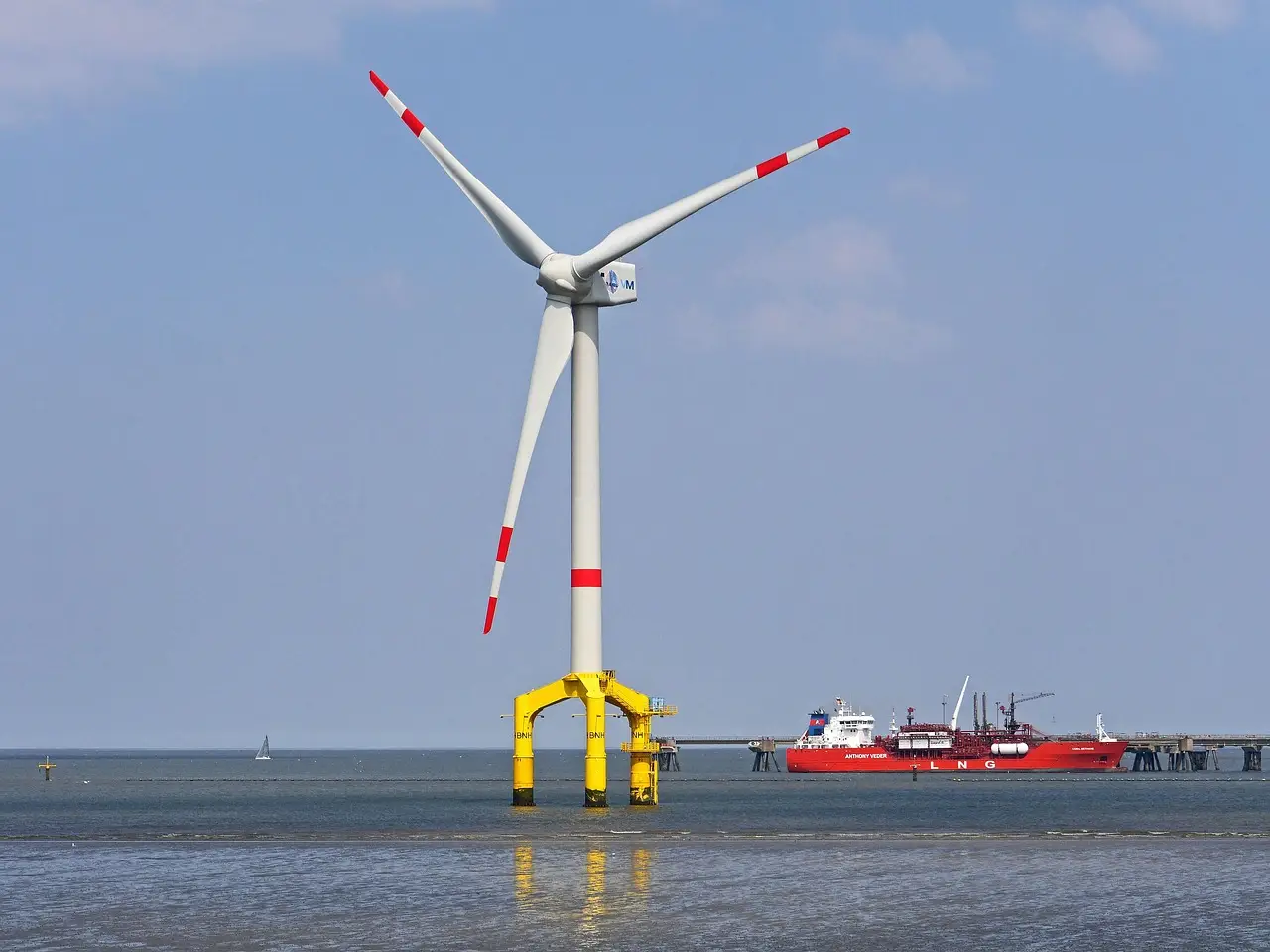
A single LNG cargo now costs Egypt more than $100 million — a rise of as much as 100% since September, according to a government official who spoke to Asharq Bloomberg. That number sits at the center of Cairo's widening gas crisis: domestic output fell to 3.63 bcf/d in August, and Egypt is deferring cargoes into 2027 while burning high-sulfur fuel oil in its power plants to hold down the import bill.
How bad is the shortfall?
Egyptian gas production has fallen steadily since late 2021. It averaged 4.87 bcf/d in 2024 — then an eight-year low — and about 4 bcf/d in the second half of 2025. In July, Egypt imported more gas than it produced for the first time on record. Imports eased to 3.44 bcf/d in August, still nearly half of national consumption: 2.24 bcf/d of LNG and 1.20 bcf/d piped from Israel, whose Leviathan partners hold a $35 billion agreement to raise exports to Egypt through 2040.
The physics of the decline is stark. Existing fields lose about 120 mmcfd of output each month, per the Asharq Bloomberg report. Kpler says new wells and Shell's Mina West field may hold production flat in early 2027 before the slide resumes.
What is Cairo doing about the bill?
QatarEnergy has kept its LNG deliveries under force majeure since April and extended that to the end of December on October 28. Cairo has asked suppliers to push five of its 15 November cargoes into 2027, on top of roughly 15 cargoes deferred since July.
The Petroleum Ministry budgeted $10.1 billion for LNG imports in the fiscal year that began July 1 and had spent $5.8 billion of it by October 6. It set aside about $1 billion for November cargoes. To cut costs, EGPC bought six cargoes of high-sulfur fuel oil for November and December delivery. Fuel oil imports have trended higher since April and exceeded 640,000 tons in October.
The import squeeze is broad. Egypt's total oil and gas import bill rose nearly $5 billion to about $35 billion in the fiscal year ended June 30.
Can new wells fill the gap?
Petroleum Minister Karim Badawi pledged on September 16 to add about 330 mmcfd of domestic gas by end-2026:
- about 250 mmcfd from the Zohr and West Mina fields in the Mediterranean;
- about 80 mmcfd from Meleiha in the Western Desert, originally due by end-September.
Progress is real but uneven. Eni's Nidoco N-2 well in the Nile Delta began producing about 55 mmcfd in July. BP brought the Fayoum-4 well online in the West Nile Delta on August 31 at about 80 mmcfd — nearly two years early, drilled sideways from an existing well. Agiba Petroleum, Eni's JV with EGPC, began start-up of the 100 mmcfd Meleiha Phase 2 plant on October 20, three weeks past Badawi's deadline. Shell's Mina West field, at roughly 120 mmcfd, is due onstream before year-end.
On October 24, the ministry said Chevron's Nargis-2 appraisal well in the Mediterranean hit up to 35 metres of net gas pay, drilled beyond 5,000 metres. It confirmed an extension of the previously discovered reservoir and found an additional gas-bearing layer. MEES estimated the original Nargis discovery, announced December 2022, at about 3.5 tcf. Chevron operates with 45%, alongside Eni at 30%, Mubadala Energy at 15% — which bought its stake from Eni in February — and Tharwa Petroleum at 10%. On October 5, Chevron signed for the deepwater Lotus block, committing at least $88 million to two exploration wells in 2,000–2,800 metres of water where no deep exploratory well has ever been drilled.
Egypt made nine discoveries in the fiscal year to June, adding about 2.8 tcf. Khalda Petroleum, Apache's JV with EGPC, tested the Watda deep well in the Western Desert at about 40 mmcfd in July. EGAS plans 16 more exploration wells this fiscal year, targeting about 6 tcf. The ministry also extended bid deadlines for 14 exploration blocks to December 14, from November 11 and December 11, after companies asked for more time. Badawi noted many blocks sit near existing fields, pipelines, plants and export terminals, so discoveries can reach the grid faster and cheaper.
The money is following: after clearing $6.1 billion in arrears to foreign operators, Cairo has secured more than $19 billion in commitments over three years — $8 billion from Eni, $5 billion from BP, $4 billion from Apache and $2 billion from Arcius Energy.
What about renewables?
Egypt moved its renewables target forward to 2028 from 2030. It had 9.5 GW of renewable capacity in July and plans 11.2 GW by December, with battery storage rising from 500 MWh to 1.2 GWh. Scatec's 564 MW Obelisk phase two solar plant began commercial operation in August; Amea Power's 1 GW Abydos 2 started trial runs in September. In June, Egypt signed an MOU with China's SANY Renewable Energy for its first wind turbine factory and a 2 GW wind farm in the Gulf of Suez. Finance Minister Ahmed Kouchouk said in October that each gigawatt of new solar, wind or nuclear capacity saves about $250 million in gas imports.
The watch item is December 14, when the exploration bids close — and year-end, when Shell's Mina West is due.
via agbi.com (Original)
More from Elena Vasquez
Show full bio
News editor covering technology and product news in Oil and gas industry operations and markets at Rig & Refinery.
575 articles
Adjoining reports
- Egypt Targets Midstream Emissions Cuts as Gas Output Push Accelerates
- Atlantic Basin LNG utilisation eases to 80% on seasonal maintenance
- Hormuz Disruption Adds $39 Billion to Global LNG Bill
- Virtual EastMed Gas Route Would Position Egypt as Regional Hub
- US LNG Export Capacity Set to Double to 37.4 Bcf/d by 2031