Well report No. RR-3893 · T17N · R15W · SEC 29 · filed October 10, 2026
Gas & LNGWell report
Energía Costa Azul ships first LNG cargo from Mexico's Pacific coast
Sempra Infrastructure's Energía Costa Azul Phase 1 shipped its first LNG cargo on July 8, adding 0.4 Bcf/d to Mexico's capacity and lifting North American Pacific Coast exports to 2.2 Bcf/d.
Field notes
- First ECA LNG cargo loaded July 8, 2026
- Phase 1 nominal export capacity: 0.4 Bcf/d from a single train
- Triples Mexico's LNG export capacity; first Pacific Coast LNG terminal in Mexico
- DOE authorized 0.50 Bcf/d to FTA countries and 0.44 Bcf/d to non-FTA countries
- Proposed Phase 2 would add 1.6 Bcf/d from two large-scale trains
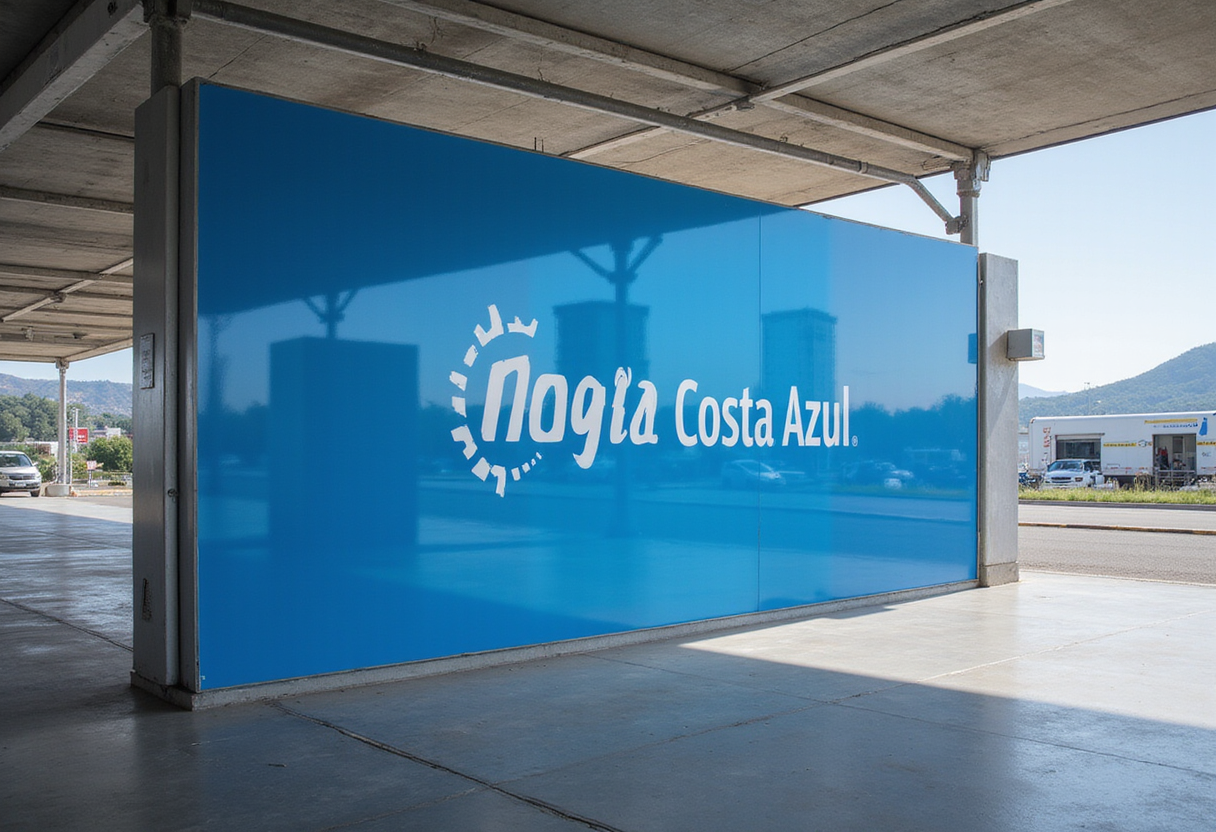
Energía Costa Azul (ECA) Phase 1, Sempra Infrastructure's single-train LNG export terminal on Mexico's Pacific coast, loaded its initial cargo on July 8. The start-up delivers 0.4 Bcf/d of nominal export capacity and triples Mexico's LNG export capacity, the U.S. Energy Information Administration reported in its July 24, 2026 "Today in Energy" brief.
The shipment makes ECA the first LNG export facility on Mexico's Pacific shoreline and the second on the North American Pacific Coast, following LNG Canada in British Columbia. Combined North American Pacific Coast export capacity now stands at 2.2 Bcf/d, per the EIA's Liquefaction Capacity File.
Why does the Pacific Coast site matter?
The Mexico-side Pacific location shortens shipping distances to Asian demand centers by avoiding the Panama Canal. EIA flagged the geography as a route advantage for the project.
ECA draws feedgas from the United States, which routes the exports through U.S. Department of Energy oversight. Mexico-side terminals that pull U.S. molecules fall under Washington authority regardless of plant location.
What authorizations has the DOE granted?
DOE has authorized 0.50 Bcf/d of LNG exports from ECA Phase 1 to countries holding a U.S. Free Trade Agreement and 0.44 Bcf/d to non-FTA countries, EIA reported. The split reflects feedgas sourcing rather than the Mexican terminal footprint.
The facility remains in commissioning status, EIA noted. ECA has introduced feedgas, run system tests, and produced its first LNG, but has not yet met long-term shipping obligations.
What is on the table for Phase 2?
Sempra Infrastructure has proposed ECA LNG Phase 2 at the same site. The proposed expansion covers two large-scale trains and one LNG storage tank, with expected output of roughly 1.6 Bcf/d of nominal export capacity.
FID on Phase 2 has not been announced in the EIA brief. The project remains in development pending partner alignment, engineering advancement, and final regulatory clearance. Sempra has not published a targeted first-cargo date for Phase 2.
How does ECA fit the wider build-out?
ECA joins Atlantic-coast operator Altamira, which began Mexican LNG exports before ECA's commissioning. EIA tracks a multi-year capacity ramp across the continent, including commissioning and under-construction terminals. The 2.2 Bcf/d Pacific Coast figure will rise as LNG Canada expands and if ECA Phase 2 reaches FID.
What to watch
- DOE action on additional non-FTA export volumes above the current 0.44 Bcf/d ceiling
- Sempra's FID timing and partner lineup for ECA Phase 2
- LNG Canada expansion schedule and offtake terms
- Subsequent ECA cargoes and long-term SPA counterparties
- Pacific Coast shipping differentials versus Gulf Coast parcels into Asia
via x.com (Original)
More from James Calloway
Show full bio
Staff writer covering industry trends and analytics at Rig & Refinery.
400 articles