Well report No. RR-2429 · T15N · R43W · SEC 15 · filed November 10, 2026
Upstream Drilling & ProductionWell report
EOG expands Ohio Utica with 95 wells and an in-basin sand mine
EOG's $5.6 billion Ohio Utica acquisition now spans 95 wells, three rigs and three frac crews. Its planned sand mine targets more than $300,000 in savings per well.
Field notes
- EOG paid $5.6 billion for Encino Energy's Ohio Utica business in August 2025.
- The Utica program includes 95 wells, three drilling rigs and three frac crews.
- EOG says it is drilling and fracking faster while spending 20% less per foot than Encino.
- EOG plans to open an in-basin Ohio sand mine before year-end, with savings exceeding $300,000 per well.
- EOG is discussing Utica gas with data centers, but has disclosed no buyer, volume or start date.
What changed after the Encino deal?
EOG Resources' Ohio Utica program now spans 95 wells, three drilling rigs and three frac crews after the Houston-based company paid $5.6 billion for Encino Energy's Ohio business in August 2025.
That operating footprint formed the core of EOG's third-quarter update, issued last week. The company reported a record quarter across its broader portfolio, with oil, natural gas liquids and natural gas production all setting company-wide records. Within that result, the Utica story is more specific: speed and cost.
EOG's company-wide record should not be read as a Utica-specific production milestone. The basin-level evidence in the update is operational instead: 95 wells, three rigs, three frac crews, faster drilling and fracking, and a 20% lower spending rate per foot.
EOG described the pace as “drilling faster, fracking faster,” and said it was spending 20% less per foot than Encino did.
The three rigs and three frac crews show the scale of work behind the 95-well program, while the per-foot comparison gives a benchmark for what EOG says it has changed since taking over the assets.
The acquisition gave EOG an operating base rather than a single pilot. The disclosed counts show the size of that base, and the per-foot comparison gives the next update a clear test: keep the pace and hold the cost reduction.
The near-term test is whether EOG can keep the pace gains without surrendering the 20% per-foot advantage.
How does an in-basin sand mine affect well costs?
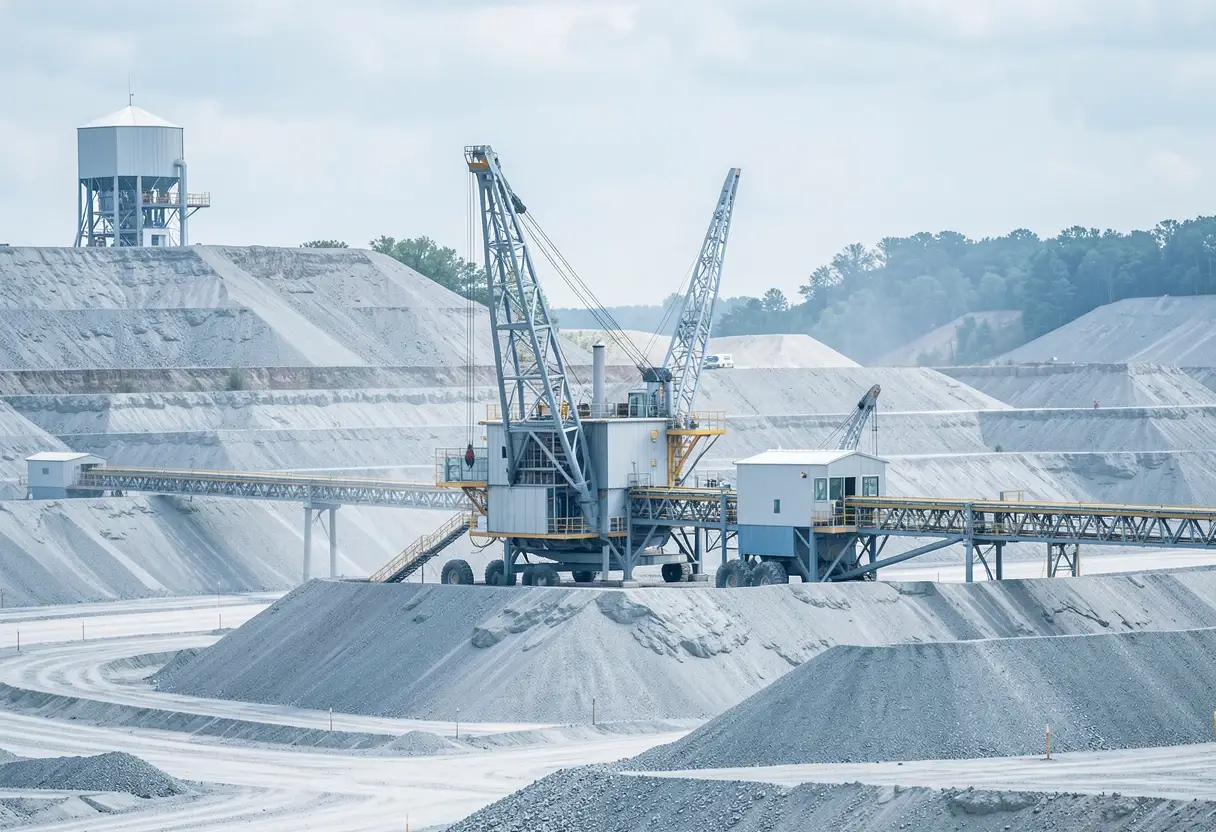
EOG also has a project with a more immediate operating deadline: its own in-basin Ohio sand mine, which the company plans to open before the end of the year.
The mine comes with a direct cost claim. EOG says the facility will save more than $300,000 per well. Unlike the data-center discussions, which remain conversations in the update, the mine has a stated opening window and a benefit tied to EOG's own well program.
The mine is presented as one of EOG's own operating assets. Its payoff is framed at the well, where a saving above $300,000 applies directly to the company's drilling program.
That leaves the year-end schedule as the check on the savings claim. A late opening would push back the point at which EOG can measure whether the mine delivers the stated reduction on each well.
For the Utica's cost base, the mine's pre-year-end opening is the milestone that matters.
What role can data centers play?
Demand sits on a less settled footing. EOG is talking with data centers about Utica gas. The update does not identify a buyer, contract, volume, delivery point or start date.
Commercial work remains necessary after gas reaches the wellhead. A data-center project would still require a buyer, a delivery commitment and a start date before it could affect EOG's operating decisions. The update provides none of those specifics, which keeps the opportunity at the discussion stage.
The discussions also show the boundary between production growth and market development. Faster drilling and fracking increase the company's operating activity, while a buyer conversation tests where the gas might go. The update stops before those choices become contracts.
Data centers are a potential outlet for Utica gas, but they are not yet a contracted one.
What should the market watch?\n
Three items now frame the follow-up. First, EOG must open the sand mine before year-end and show that the saving exceeds $300,000 per well. Second, it must sustain faster drilling and fracking while holding the 20% per-foot cost advantage within its 95-well program, supported by three rigs and three frac crews.
Third, the data-center conversations need buyers, volumes and timing before they become executable demand. The $5.6 billion deal makes the distinction commercially important, while the rig, crew and mine data offer nearer evidence of execution.
The immediate watch item is the mine's pre-year-end startup and whether the $300,000-per-well saving holds under the current three-rig, three-crew operating plan.
via marcellusdrilling.com (Source)
More from Elena Vasquez
Show full bio
News editor covering technology and product news in Oil and gas industry operations and markets at Rig & Refinery.
561 articles