Well report No. RR-4587 · T9N · R20W · SEC 9 · filed October 30, 2026
OffshoreWell report
Equinor and Aker BP Team Up to Unlock 2.8 Billion boe in Tight NCS Reservoirs
Equinor and Aker BP will pool portfolios to unlock an estimated 2.8 billion boe in tight NCS reservoirs — comparable to Johan Sverdrup — across some 90 undeveloped discoveries.
Field notes
- Tight reservoirs on the NCS hold an estimated 2.8 billion boe, comparable to Johan Sverdrup's recoverable resources, per the Norwegian Offshore Directorate
- Around 90 discoveries on the NCS lacking development approval are thought to be in tight reservoirs
- The collaboration covers technology development, standardisation, well stimulation and resource maturation across both portfolios
- Aker BP CEO Karl Johnny Hersvik said work is starting immediately under a joint governance structure
- Separately, Equinor and partners awarded Aibel a FEED contract for the Wisting production vessel topsides in the Barents Sea
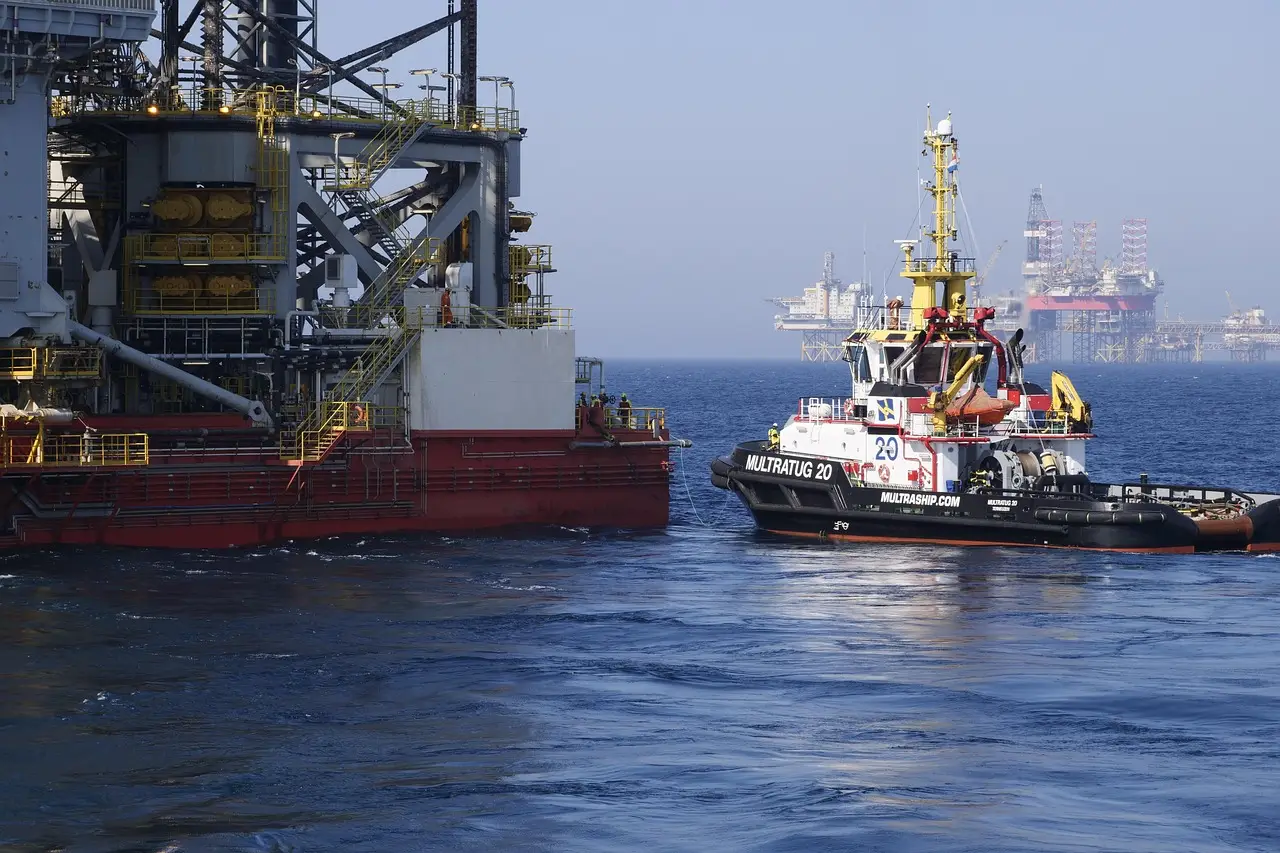
Roughly 2.8 billion barrels of oil equivalent sit locked in tight reservoirs on the Norwegian Continental Shelf — a resource base comparable in size to the recoverable volumes at Johan Sverdrup — and Equinor and Aker BP now plan to go after it together.
The two operators have announced a strategic collaboration focused on tight oil and gas reservoirs, where hydrocarbons flow slowly through the rock and conventional extraction recovers only a small share of what's in place. Many of these finds have long been written off as uneconomical with current technology.
The numbers explain why the industry is paying attention. The Norwegian Offshore Directorate estimates about 90 discoveries on the NCS that still lack development approval sit in tight reservoirs. The directorate has separately called on industry players to step up collaboration on technology, standardisation and knowledge sharing — a call the two companies are now answering.
What does the partnership actually cover?
The agreement commits both companies to bring forward relevant prospects, discoveries and projects from their own portfolios. The work spans:
- joint technology development and qualification
- standardisation of solutions across multiple projects
- well stimulation techniques
- resource maturation
Management will run through a joint governance structure, with multidisciplinary working groups staffed from both companies.
A central aim is scale. The partners want to generate a level of activity sufficient and predictable enough to underpin a competitive supply chain — one with the expertise and supplier capacity that tight reservoir projects require but that individual, one-off developments struggle to justify.
That's the quiet logic of the deal: no single tight-reservoir project may support a dedicated technology push, but a combined portfolio might.
What are the executives saying?
Equinor's executive vice president for exploration and production in Norway, Kjetil Hove, framed the deal around cost and speed. "By viewing our portfolios in context and developing common solutions, we can reduce costs and develop and qualify technology faster," he said. "Together, we can make challenging resources profitable. This benefits all partners and society at large."
Aker BP CEO Karl Johnny Hersvik put it more bluntly: "Scale is key." By considering opportunities across both portfolios together, he said, the companies can build a basis for activity, faster learning and lower costs. "Together, we can develop solutions that can be applied across multiple projects. We are starting the work immediately."
The last line matters. This is not a framework agreement destined for a drawer — Aker BP says work has already begun.
Why the timing fits
The backdrop is a maturing shelf. Norway's large, conventional fields have largely been found and developed, and attention is shifting to resources that were once passed over. Tight reservoirs need repeated well stimulation, tailored completion technology and high activity levels to pay off — conditions that favor shared solutions over solo efforts.
The directorate's 2.8 billion boe estimate puts a hard number on the prize, and the comparison to Johan Sverdrup gives it scale: that field, one of Norway's major oil developments, transformed the North Sea economics of its era.
The collaboration also lands amid related movement. Equinor and its partners recently awarded Aibel a front-end engineering and design contract for the topsides of the production vessel at the Wisting oil discovery in the Barents Sea — another technically challenging NCS project where cost discipline is decisive.
What comes next
Nothing in the announcement commits either company to a final investment decision on any specific tight-reservoir project, and the partnership itself remains at the cooperation stage rather than sanctioning anything. The watch items are concrete: which prospects and discoveries each operator tables first, how quickly the joint working groups standardize well stimulation and completion designs, and whether the promised activity levels materialize fast enough to hold supply chain interest.
For an industry that has spent decades walking past tight NCS reservoirs, the test is whether pooled scale can turn 2.8 billion stranded barrels into drillable projects.
via Offshore Technology (Source)
More from Elena Vasquez
Show full bio
News editor covering technology and product news in Oil and gas industry operations and markets at Rig & Refinery.
555 articles
Adjoining reports
- EU Holds Line on Arctic Drilling Ban as Norway Presses Case
- Norway's Energy Minister Opens Alve Nord, Idun Nord and Ørn Fields
- Equinor Brings Shell Into Bay du Nord as Partnership Takes Shape
- Equinor books 3.3–10.3 MMboe gas find at Gullfaks South sidetrack
- Norwegian Sea Frontier: 30 Years Undrilled, Back on the Map