Well report No. RR-6657 · T15N · R19W · SEC 3 · filed October 30, 2026
Gas & LNGWell report
LNG Canada Phase 2 FID Doubles Capacity to 28 mtpa
Shell and partners approve LNG Canada Phase 2, doubling Kitimat capacity to 28 mtpa, as 8-9 day Pacific shipping routes and cheap gas give Canada an edge into Asia.
Field notes
- LNG Canada Phase 2 FID doubles capacity to 28 mtpa; Shell, PETRONAS, PetroChina, Mitsubishi and KOGAS are partners.
- Canada expected to export 33 mtpa of LNG by end of decade with Cedar LNG and Woodfibre under construction.
- B.C. cargoes reach Tokyo in 8-9 days versus 16-18 days from the U.S. Gulf Coast, per S&P Global.
- Wood Mackenzie projects Asian LNG demand doubling from ~260 mtpa to ~500 mtpa by 2060.
- U.S. rivals CP2 LNG, Commonwealth LNG and Delfin FLNG 1 all reached FID this year.
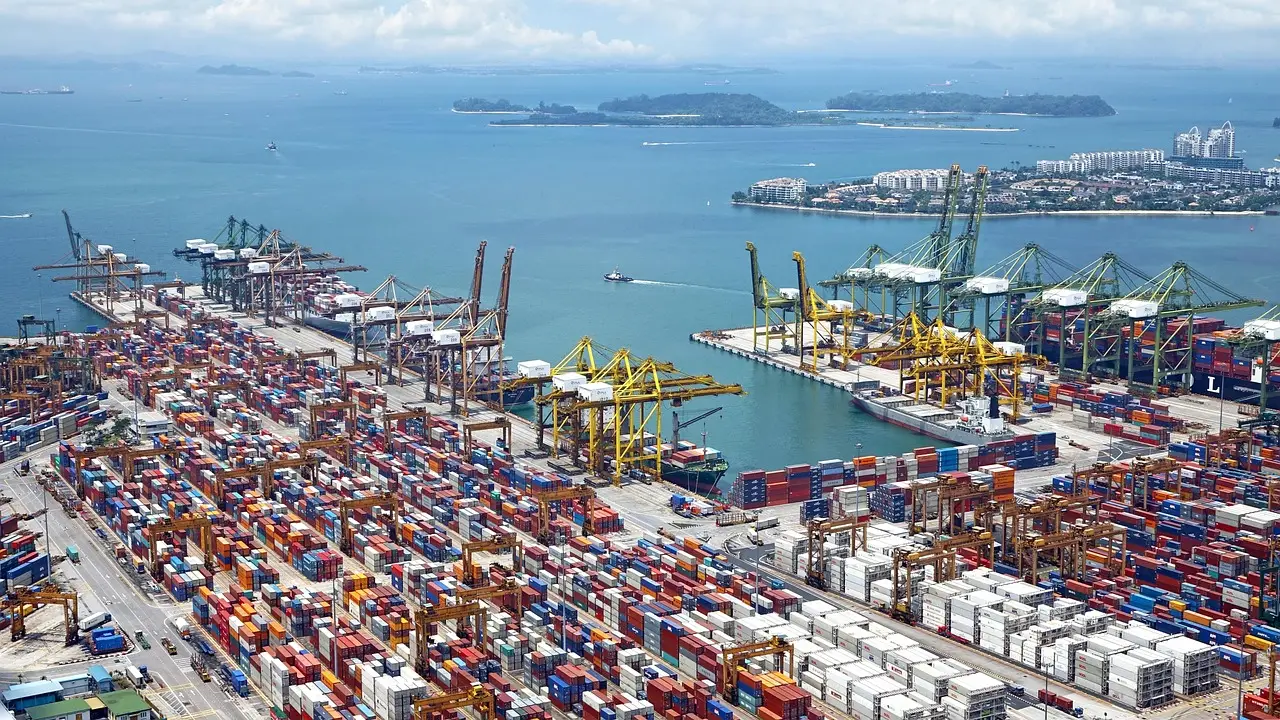
Shell and its partners have sanctioned LNG Canada Phase 2, doubling the Kitimat, British Columbia facility's capacity to 28 million tonnes per annum (mtpa) and giving Canada its largest liquefaction commitment to date.
The Final Investment Decision, taken last month, adds Shell (NYSE: SHEL), Malaysia's PETRONAS, PetroChina, Mitsubishi Corporation and KOGAS as backers of an expansion that anchors Canada's push into Asian LNG markets. Together with Cedar LNG and Woodfibre — both under construction on the B.C. coast — Canadian export capacity is expected to reach 33 mtpa by the end of the decade, according to Wood Mackenzie.
The takeaway: Canada has moved from a single sanctioned project to a three-terminal export corridor on the Pacific coast.
Why Asian buyers are looking at B.C.
Wood Mackenzie projects Asian LNG demand will roughly double from about 260 mtpa today to around 500 mtpa by 2060, and the consultancy argues Canada is well placed to capture a share of it through resource scale, Pacific Basin access and short shipping routes.
"For Asian buyers, Canada offers something that is increasingly rare in global LNG markets: a combination of resource scale, Pacific Basin access and short shipping routes," said Joshua Ngu, Vice Chairman, Asia Pacific at Wood Mackenzie.
The numbers behind that argument:
- Kitimat sits on the Pacific coast, so tankers avoid both the Panama Canal and Middle East chokepoints that have disrupted Qatari supply.
- Cargoes from British Columbia reach Tokyo in roughly 8 to 9 days, versus 16 to 18 days from the U.S. Gulf Coast, according to S&P Global.
- In the first half of 2026, U.S. LNG shipments to Asia more than doubled, up 108% from the same period of 2025, as buyers sought non-Middle Eastern cargoes following closures around the Strait of Hormuz.
How the supply chain works
The Coastal GasLink pipeline delivers 2.1 billion cubic feet per day (Bcf/d) of natural gas from Western Canadian producers directly to the LNG Canada terminal at Kitimat. That feedstock is priced off discounted Canadian supply rather than Henry Hub, so exporters bypass the costlier Gulf Coast indexing structure and hold what amounts to a built-in margin advantage into Asian markets.
Emissions positioning also matters to Japanese and South Korean buyers chasing net-zero targets. Cedar LNG is designed to run entirely on renewable hydroelectricity from BC Hydro instead of gas-fired turbines. LNG Canada drives its liquefaction trains on gas but draws about a fifth of its energy from BC Hydro.
The takeaway: cheap captive gas plus hydro power gives Canadian cargoes both a cost and carbon pitch that Gulf Coast projects cannot fully match.
What could stall the run
Wood Mackenzie has also flagged a narrowing window of opportunity as global competition for capital and market share intensifies. "Canada's resource advantage is real, but realizing its full potential will depend on competitiveness, execution and timely project delivery," Ngu said.
The competitive pressure is concrete:
- U.S. projects CP2 LNG, Commonwealth LNG and Delfin FLNG 1 all reached FID this year, extending American dominance in global LNG exports.
- Even with the proposed 12 mtpa Ksi Lisims LNG added, WoodMac expects Canada to fall well short of Prime Minister Mark Carney's stated goal of 100 mtpa of export capacity under his "energy superpower" agenda.
- Emerging suppliers — Mozambique, Nigeria, and the Mauritania/Senegal complex — are developing large offshore fields and floating LNG facilities aimed at both Europe and Asia.
- Mexico plans to export cheap U.S. pipeline gas from its Pacific coast, and Argentina is moving to tap the Vaca Muerta shale basin, both of which would open faster routes to Asian buyers.
The watch item
The uncontracted share of Asia's demand growth is still open, but it will not stay that way — execution on Phase 2 and Cedar's hydro-powered startup will decide whether Canada converts its Kitimat position into long-term Asian contracts before rival capacity lands.
via enerdata.net (Original)
More from James Calloway
Show full bio
Staff writer covering people, launches and day-to-day practice in Oil and gas industry operations and markets at Rig & Refinery.
587 articles
Adjoining reports
- LNG Canada targets output doubling at B.C. export terminal
- Shell-led LNG Canada clears Phase 2, doubling export capacity
- Canada's First Major LNG Terminal Targets Capacity Doubling
- LNG Canada Prepares Final Approval for Doubling Phase 2 Output
- LNG Canada Moves Ahead With $33 Billion Expansion at Kitimat