Well report No. RR-1094 · T22N · R11W · SEC 22 · filed October 30, 2026
Petroleum MarketsWell report
EU Pays $11 Billion More Per Month for Oil After Hormuz Crisis
EU petroleum import costs rose 55.8% in Q2 2026 as the Hormuz closure lifted prices, adding $11 billion to the monthly bill and pushing European drivers toward EVs.
Field notes
- EU petroleum import value rose 55.8% in Q2 2026 while volumes grew just 1.2% (Eurostat).
- April-July imports averaged $30.7 billion per month, up from $19.7 billion a year earlier.
- Petroleum accounted for 95% of the increase in the EU's Q2 energy import bill.
- September BEV sales in Europe jumped 60%; diesel car sales fell 28.2% (ACEA).
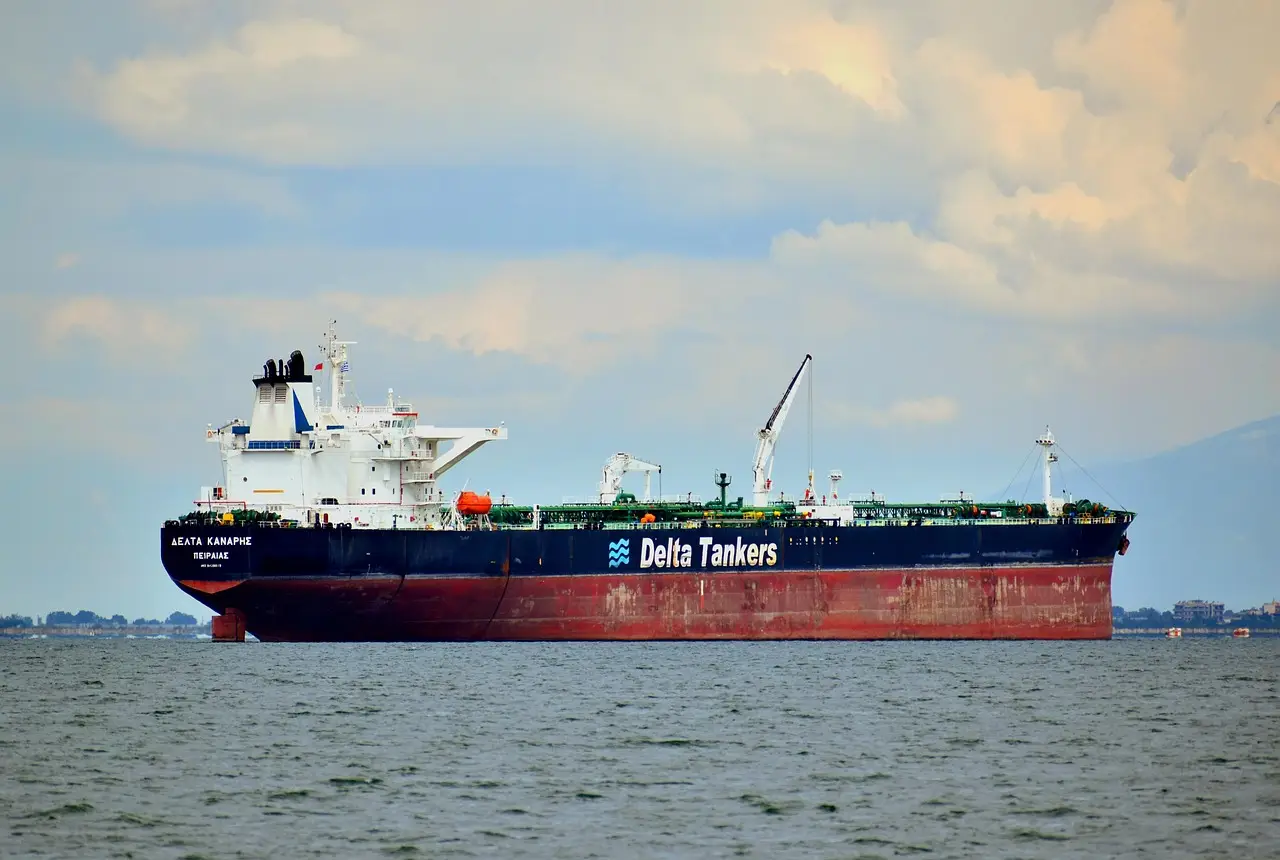
The European Union is paying $11 billion more every month for the oil it imports, an Euronews Business analysis published Thursday found. That is the bill for the Middle East crisis choking crude supplies and triggering what the analysis calls a global fuel squeeze.
The number deserves a stress test. It is a like-for-like estimate, not a customs figure. Volumes rose just 1.2% year on year, so nearly all of the increase is price, not barrels.
What do the Eurostat numbers show?
The value of the EU's petroleum imports jumped 55.8% in the second quarter of 2026, according to Eurostat data cited in the analysis. Between April and July, the months right after the closed Strait of Hormuz (the chokepoint for roughly a fifth of globally traded oil) pushed prices higher, the bloc spent an average of $30.7 billion (27.6 billion euros) per month on petroleum oil imports.
A year earlier, the same months cost $19.7 billion (17.7 billion euros). Do the arithmetic: same barrels, steeper invoice. Euronews Business estimates the EU paid $11 billion (9.9 billion euros) more across April-July than in the comparable 2025 window.
Petroleum accounted for 95% of the increase in the EU's total energy import bill in the second quarter, the analysis showed. One caveat follows the headline: the analysis does not break out how much of the price spike reflects freight, insurance, and refining margins rather than crude itself.
Takeaway: Europe is buying roughly the same oil and paying half again as much for it.
Will the import bill fall soon?
Not on current evidence. Crude prices sit near a five-month high, and fuel prices spiked to record highs in what the analysis describes as a tight global fuel market. Import costs are unlikely to drop significantly soon, Euronews Business argues — that is its attribution, not a settled forecast.
Governments are scrambling to provide consumer relief as gasoline and diesel prices hit record highs across many European countries. The analysis names no specific measures, no excise cuts, no subsidies. That gap matters. Relief schemes cost money, and nobody has said where it comes from.
Takeaway: until crude retreats, the monthly bill stays elevated and the political pressure builds.
Is the pump price reshaping car sales?
Yes, and quickly. Record fuel prices are accelerating a shift toward electrified vehicles while registrations of conventional cars keep falling by double digits in key markets, the analysis found.
European Automobile Manufacturers' Association (ACEA) data released last week shows the split for September, covering the EU plus the UK, Norway, and Switzerland:
- Total car sales: up 10.2% year on year
- Battery electric vehicles (BEVs): up 60%
- Plug-in hybrids: up 24%
- Hybrid electrics: up 5.3%
- Gasoline cars: down 20.6%
- Diesel cars: down 28.2%
Diesel falling faster than gasoline is the detail refiners should watch. It compresses the demand base for middle distillates in a market already described as tight.
One month is not a trend. September's registrations follow summer price spikes, so some buying may be deferred purchases or pull-forward demand rather than a durable shift.
Takeaway: the showroom is moving away from combustion engines faster than most demand forecasts assumed.
What comes next?
Watch the Strait of Hormuz reopening timeline and the crude price response — both drive the import bill. Watch whether EU governments formalize fuel relief measures, and whether ACEA's October data confirms September's electric surge. The margin to watch is the European refining margin; record pump prices with flat import volumes imply cracks (the refinery's gross profit on a barrel) are doing much of the work.
via euronews.com (Original)
More from Priya Raman
Show full bio
Senior reporter covering technology and product news in Oil and gas industry operations and markets at Rig & Refinery.
585 articles
Adjoining reports
- European Gas Hits $103/MWh, Highest Since December 2022
- Hormuz Disruption Traps Fifth of Global LNG, Driving European Gas Prices Higher
- Middle East Crude Exports Hit Post-War High Even as Hormuz Attacks Persist
- OPEC Output Climbs 920,000 BPD, Reuters Survey Baseline Shows
- Hormuz Outage Puts 41.7 Bcm Burden on LNG Demand Through 2027