Well report No. RR-3233 · T3N · R42W · SEC 3 · filed November 11, 2026
Upstream Drilling & ProductionWell report
ExxonMobil Signs Nonbinding MOU With PDVSA, Eyes Venezuela Return
ExxonMobil signed a nonbinding MOU with PDVSA on November 9 to evaluate exploration and production, its first step toward returning since Venezuela's 2007 nationalization.
Field notes
- ExxonMobil signed a nonbinding MOU with PDVSA on November 9 to evaluate exploration and production opportunities.
- ExxonMobil exited Venezuela in 2007 after nationalization, having held 41.67% of Cerro Negro and 50% of La Ceiba.
- Chevron has outlined roughly $7 billion of investment over five years in Venezuela.
- Venezuelan oil exports averaged about 1.08 million bpd in October, per Reuters shipping data.
- An arbitration tribunal awarded ExxonMobil compensation in 2014; claims remain outstanding.
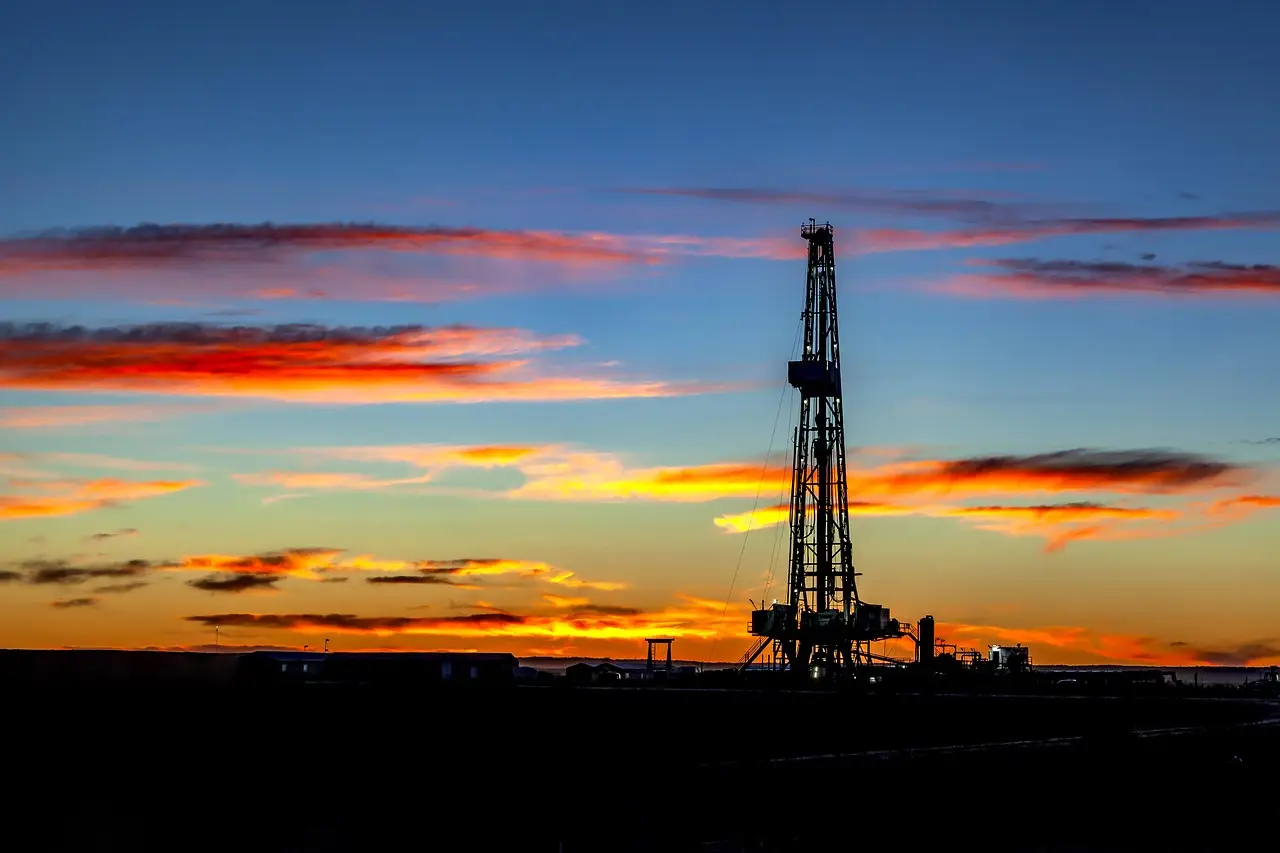
ExxonMobil signed a nonbinding memorandum of understanding with Venezuela's state-owned PDVSA on November 9 to evaluate exploration and production opportunities, nearly two decades after the country nationalized its oil assets. The agreement establishes a framework for studying possible investments. It obligates no capital and names no fields.
The company has not identified the assets under consideration. Any development would require a definitive joint-venture or production-sharing agreement (a contract splitting output between investor and host state) and acceptable commercial terms. ExxonMobil stated that future investment would depend on stable government policies, transparent regulations, strong legal protections and competitive financial returns.
What did ExxonMobil lose in 2007?
ExxonMobil withdrew from Venezuela in 2007 after the government of former President Hugo Chávez nationalized major oil projects and forced foreign operators to surrender controlling interests. The company then held a 41.67% interest in the Cerro Negro heavy crude project, now known as Petromonagas, and a 50% interest in the La Ceiba project.
The exit produced protracted litigation. An arbitration tribunal awarded ExxonMobil compensation in 2014, but subsequent legal proceedings have complicated the dispute. Outstanding claims remain an important consideration for any return.
Chief Executive Darren Woods previously expressed reservations about investing in Venezuela under its existing legal and commercial framework. More recently, he acknowledged progress toward improving fiscal arrangements and investment protections while emphasizing that further changes would be necessary.
The takeaway: the MOU is a study document, not a sanctioned project, and the legacy arbitration claims remain unresolved.
How big is the prize in the Orinoco Belt?
Venezuela holds substantial heavy oil resources, particularly in the Orinoco Belt, the country's principal extra-heavy crude zone. Developing those reserves requires specialized production technology, upgrading facilities (plants that convert heavy crude into lighter, salable grades), reliable transportation and significant capital.
Peer activity offers a scale reference. Chevron has outlined plans to invest approximately $7 billion over five years to increase Venezuelan production, an indication of the capital potentially required. Other international producers have begun evaluating expansion opportunities as well.
Current output and exports remain constrained. Venezuela's oil exports averaged approximately 1.08 million barrels per day in October, according to shipping data reported by Reuters, with growth limited by production bottlenecks and elevated freight costs.
The takeaway: the resource base is large, but barrels today are roughly a tenth of what modern investment would target.
What are the risks and the watch items?
The interim government's push to attract foreign investment follows years of underinvestment, infrastructure deterioration and political uncertainty across the sector. ExxonMobil frames the agreement as a potential long-term opportunity rather than an immediate addition to global crude supply.
A successful return could support spending on drilling, production equipment, pipelines, upgrading facilities and oilfield services. However, political uncertainty, contractual protections, infrastructure requirements and the economics of heavy crude production remain substantial risks.
The agreement also lands in a softening market. Global oil markets face rising concerns about excess supply following the recovery of Middle Eastern exports, which tightens the margin for error on any capital-intensive heavy oil project.
The watch items are clear. ExxonMobil's next steps depend on whether Venezuela can establish durable investment conditions, whether a definitive joint-venture or production-sharing agreement materializes with acceptable terms, and whether individual Venezuelan projects can compete for capital against ExxonMobil's existing global development portfolio. In plain words: nothing is sanctioned, and the signposts ahead are a named project, a binding contract and resolution of the outstanding arbitration claims.
via oilandgas360.com (Source)
More from Olivia Hart
Show full bio
Correspondent covering technology and product news in Oil and gas industry operations and markets at Rig & Refinery.
567 articles
Adjoining reports
- Exxon Signs MOU With PDVSA, Weighs First Venezuela Return Since Seizure
- Venezuela's 105-Contract Push: Tiered Fiscal Rates Versus Legal Risk
- Venezuela Weighs OPEC Exit While US Discusses Oil Field Stake
- Venezuela Revival Would Need Over $100 Billion, Analysis Finds
- US-Venezuela Oil Deal Puts 65 Billion bbl in Play — For Now