Well report No. RR-9972 · T8N · R2W · SEC 8 · filed November 10, 2026
Upstream Drilling & ProductionWell report
Exxon Signs MOU With PDVSA, Weighs First Venezuela Return Since Seizure
ExxonMobil signed a non-binding MOU with PDVSA to assess upstream opportunities in Venezuela, its first move toward returning since its assets were expropriated in the Chavez era.
Field notes
- Exxon signed a non-binding MOU with PDVSA on Monday to assess upstream oil opportunities in Venezuela.
- ICSID awarded Exxon $1.6 billion plus interest in 2014 for the 2007 expropriation of its Venezuelan assets; the dispute remains unresolved.
- Exxon previously held 41.67% of Cerro Negro (now Petromonagas) and 50% of La Ceiba in the southern Maracaibo basin.
- CEO Darren Woods said earlier this year Exxon was 'not in a rush' despite progress on fiscal and legal terms.
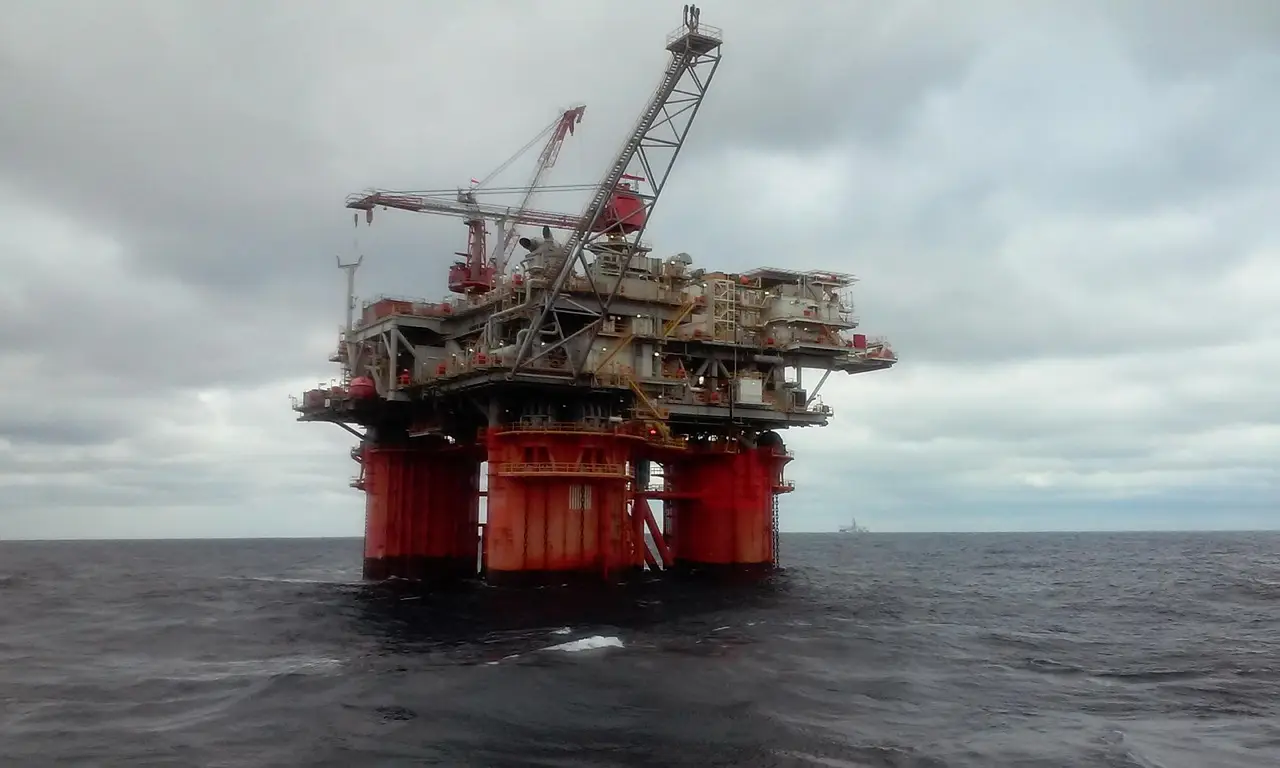
One memorandum of understanding, signed Monday between ExxonMobil and Venezuela's PDVSA, is all it took to reopen a chapter the company closed nearly two decades ago — when Caracas seized its assets and an arbitration tribunal later handed down a $1.6 billion award that remains unpaid.
The agreement is non-binding. It commits Exxon to nothing more than an assessment of upstream oil opportunities in Venezuela, and the company did not identify which projects or acreage it is evaluating. A final joint-venture or production-sharing contract would have to follow before Exxon could take part in exploration or production.
"This memorandum is a meaningful first step, but any future investment would require stable policies, clear regulations, strong investment protections and competitive returns," Exxon said in a statement.
That single sentence carries the weight of the company's history in the country. In 2007, Exxon affiliates filed for arbitration against Venezuela at the World Bank's International Centre for Settlement of Investment Disputes after the government of former President Hugo Chavez expropriated its holdings. ICSID awarded Exxon $1.6 billion plus interest in 2014. Venezuela has challenged the award, and the dispute remains unresolved.
What did Exxon leave behind?
Before the expropriation, Exxon held a 41.67% stake in the Cerro Negro heavy crude project — now known as Petromonagas — and a 50% interest in the La Ceiba project in the southern Maracaibo basin. Both are the kind of heavy-oil positions that built Venezuela's energy industry and that a major with Exxon's upgrading and downstream footprint knows how to run.
Neither the MOU nor the company's statement says whether those legacy assets figure in the current evaluation. For now, that question is open.
Who said what at the signing?
At a ceremony broadcast by state television channel VTV, interim President Delcy Rodriguez welcomed Exxon back and said she hoped the memorandum would soon lead to concrete agreements.
"We welcome you back," Rodriguez said. She added that Venezuela expected the partnership to bring benefits to both Exxon and the Venezuelan people, and that Exxon would invest under favorable conditions and within a framework of legal certainty protecting its operations.
Whether that legal certainty holds in practice is precisely the gap between Monday's signature and any future final investment decision.
Why now, and why the caution?
The political backdrop has shifted fast. American forces removed President Nicolas Maduro from power in January, and US President Donald Trump has sought to remake Venezuela's oil sector with US companies in leading roles — a potential Exxon return would count as a political win for that effort.
On the commercial side, oil reforms advanced by Rodriguez have opened the sector to new entrants. Exxon CEO Darren Woods said earlier this year that progress had been made on fiscal and legal terms, but cautioned that the company was "not in a rush."
That framing matches the MOU's architecture: an assessment agreement first, hard commitments only if the fiscal and legal framework survives scrutiny — and, implicitly, if the $1.6 billion ICSID question finds an answer.
What happens next?
The watch items are concrete. Watch for any movement on the outstanding ICSID award, which stands as both a financial claim and a test of Venezuela's promised legal certainty. Watch for which specific assets or blocks — Petromonagas, La Ceiba or new acreage — enter Exxon's evaluation. And watch for negotiations toward an actual joint-venture or production-sharing contract, the only instrument that would put drill bits back to work.
Until one is signed, Monday's memorandum remains exactly what Exxon called it: a first step, not a return.
via oedigital.com (Source)
More from Elena Vasquez
Show full bio
News editor covering technology and product news in Oil and gas industry operations and markets at Rig & Refinery.
561 articles
Adjoining reports
- ExxonMobil Signs Nonbinding MOU With PDVSA, Eyes Venezuela Return
- Venezuela's 105-Contract Push: Tiered Fiscal Rates Versus Legal Risk
- US-Venezuela Oil Deal Puts 65 Billion bbl in Play — For Now
- Venezuela Revival Would Need Over $100 Billion, Analysis Finds
- Venezuela Weighs OPEC Exit While US Discusses Oil Field Stake