Well report No. RR-9248 · T14N · R46W · SEC 2 · filed October 10, 2026
Gas & LNGWell report
Glenfarne Clears Kiewit for Early Work at Texas LNG Brownsville Terminal
Kiewit Energy Group received a Limited Notice to Proceed from Texas LNG Brownsville LLC, clearing early construction work at the Port of Brownsville LNG export terminal ahead of a final investment decision.
Field notes
- Texas LNG Brownsville LLC issued a Limited Notice to Proceed to Kiewit Energy Group covering long-lead equipment, EPC engineering, and geotechnical work at the Port of Brownsville terminal.
- A lump-sum turnkey EPC agreement with Kiewit was already in place before the LNTP; FERC has authorized both construction and operation.
- Glenfarne's permitted North American LNG portfolio totals 32.8 million tonnes per annum across projects in Alaska, Louisiana, and Texas.
- Glenfarne owns and operates 60 energy assets across Global LNG Solutions, Grid Stability, and Renewables.
- U.S. natural gas production is projected to reach 118 Bcf/d by 2026, with consumption rising toward 91.4 Bcf/d.
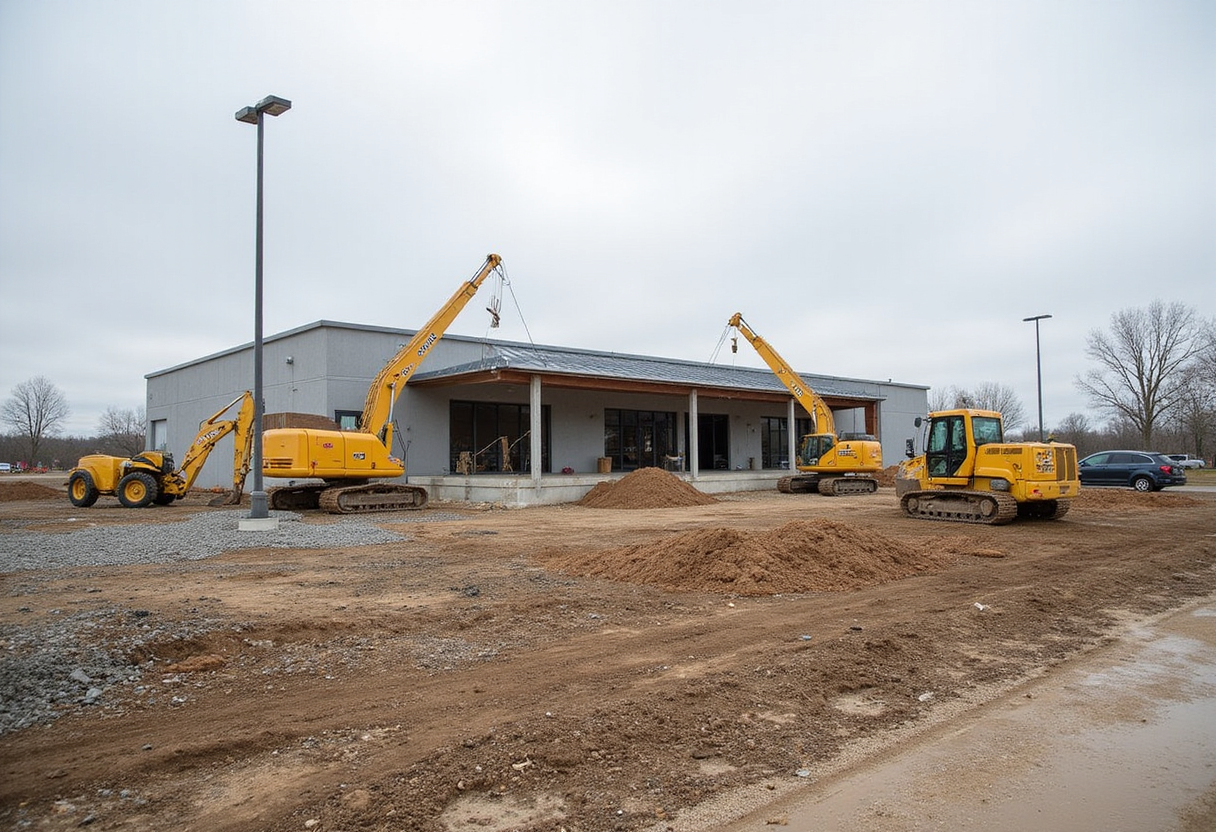
Kiewit Energy Group Inc. has received a Limited Notice to Proceed (LNTP) from Texas LNG Brownsville LLC for early construction work at the planned LNG export terminal at the Port of Brownsville, Texas.
The notice stops short of a final investment decision but positions the project for full construction the moment FID lands. Texas LNG Brownsville LLC, a subsidiary of privately held developer Glenfarne Group, structured the work as a deliberate pre-FID phase that keeps critical path moving while financing arrangements close.
"The LNTP work and purchase orders demonstrate the strength of the project's world-class partner network and Glenfarne's continued disciplined advancement of Texas LNG," Glenfarne CEO and Founder Brendan Duval said. "By progressing key equipment, engineering, and site-readiness work during LNTP, we are maintaining project momentum."
Three work streams are covered:
- Purchase orders for long-lead equipment
- Engineering tied to the EPC phase
- Geotechnical work to ready the site for full-scale construction
With months-long lead times on compressors, motors, and major process modules, getting purchase orders placed early cuts the risk of post-FID schedule slippage.
What contractual foundation sits beneath the LNTP?
Kiewit had already executed a lump-sum turnkey EPC agreement with Texas LNG before the LNTP was issued. That contract structure places cost and schedule risk on the contractor — a signal of confidence from both sides in the project's engineering definition and cost estimate.
The terminal also holds Federal Energy Regulatory Commission authorization for both construction and operation. FERC clearance is the gating regulatory hurdle for any U.S. LNG export project, and having it already in place removes one of the larger schedule risks that typically shadows an FID.
Together, the LNTP, EPC agreement, and FERC authorization form a layered set of milestones — each one supporting the next — toward what the company describes as lower-emission U.S. LNG for international buyers.
How does the Brownsville design compare on emissions?
The terminal is built around electric motor drives rather than gas turbine compressors. That technology choice positions the facility among the lowest-emitting LNG export terminals operating or under development globally — a commercial differentiator in a market where European and Asian buyers have begun screening cargoes on carbon intensity.
What does the LNTP mean for Glenfarne's wider buildout?
Glenfarne's permitted North American LNG portfolio totals 32.8 million tonnes per annum of capacity under development, spread across projects in Alaska, Louisiana, and Texas. The Brownsville LNTP is one of several parallel pre-FID pushes across that portfolio. The company owns and operates 60 energy assets across three core businesses: Global LNG Solutions, Grid Stability, and Renewables.
Locally, the project carries weight for the Port of Brownsville region. Construction and operations are expected to generate direct employment and broader economic activity — the kind of footprint that tends to consolidate community support for large infrastructure.
What is the supply-side backdrop?
Trade coverage of U.S. gas markets projects domestic natural gas production on track for a record 118 billion cubic feet per day by 2026, with consumption climbing toward 91.4 billion cubic feet per day in the near term. That production growth supplies both molecules and commercial logic for expanding LNG export capacity along the Gulf Coast.
What to watch
The next milestone is the final investment decision itself — the gate that converts the LNTP scope into full construction funding. Permitting is settled at the federal level; the open items are commercial offtake, equity, and debt commitments. Until then, the watch items are completion of long-lead purchase orders under the LNTP, EPC-phase engineering deliverables, and any disclosed progress toward FID.
via energiesmedia.com (Original)
More from Daniel Okafor
Show full bio
Market editor covering consumer brands and retail at Rig & Refinery.
335 articles
Adjoining reports
- Glenfarne Issues Limited Notice to Proceed for Texas LNG
- Glenfarne lands $50bn Korean capital commitment for Alaska LNG
- Glenfarne Backs $50 Billion-Plus U.S.-Korea Investment in Alaska LNG
- Glenfarne Cites Roughly $50 Billion in South Korean Backing for Alaska LNG Terminal
- Catus Takes FID on 9.5 Mtpa Commonwealth LNG in Cameron, Louisiana