Well report No. RR-6163 · T23N · R37W · SEC 35 · filed November 10, 2026
Energy Transition in OilWell report
Harbour Energy Taps Elemental Energies for Viking CCS Expansion Work
Elemental Energies wins a two-year Harbour Energy contract for subsurface and well engineering on Viking East and West, de-risking up to 4 million tonnes per year of CO2 storage.
Field notes
- Elemental Energies secured a two-year contract from Harbour Energy, announced November 10
- Contract covers geomechanics, subsurface and well engineering for Viking East and Viking West storage sites
- Viking CCS targets up to 4 million tonnes of CO2 stored annually from the early 2030s
- UK Government has committed $87.6 million (£65.5 million) in development funding to Viking CCS
- Project supports decarbonization of industrial operations in the Humber region
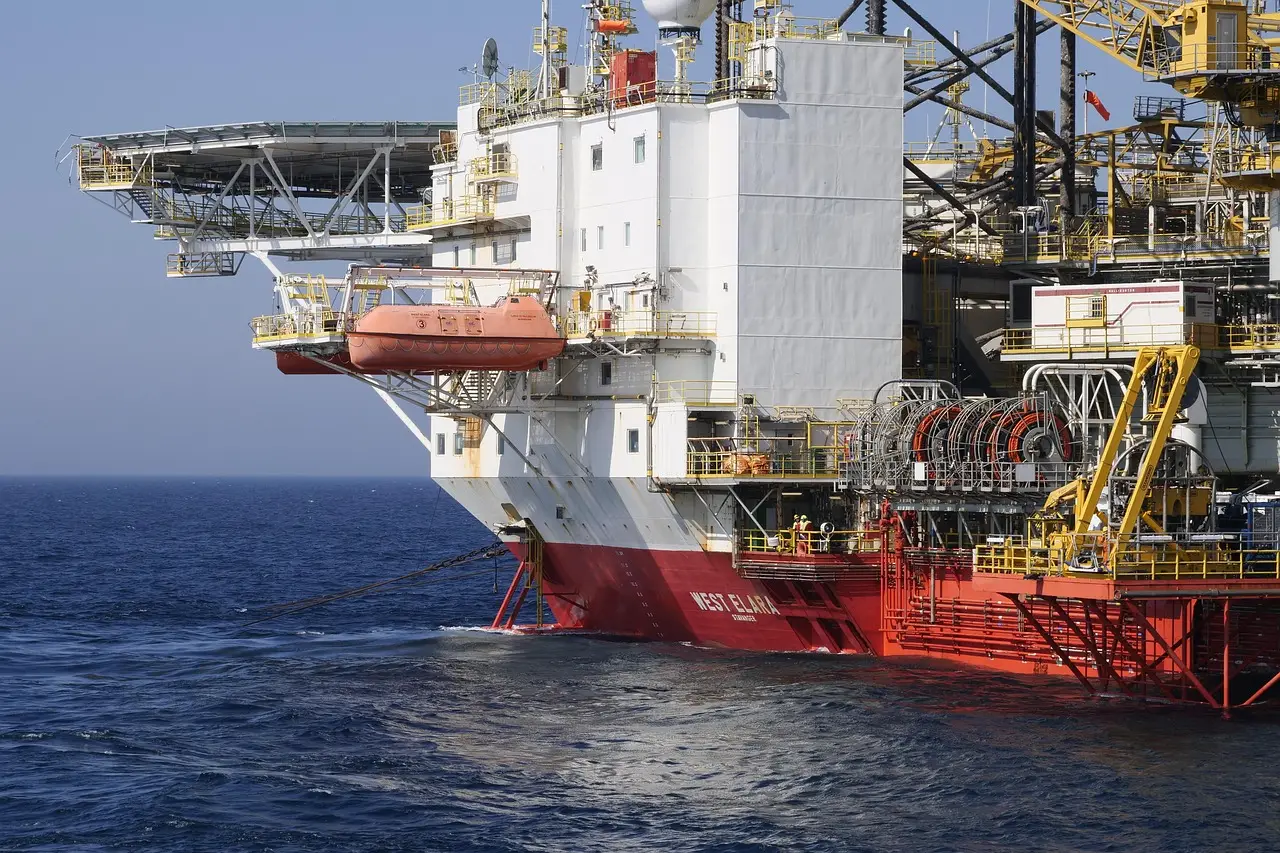
Elemental Energies has secured a two-year contract from Harbour Energy to provide subsurface and well engineering support for the expansion of the Viking carbon capture and storage project in the UK Southern North Sea. The company announced the award on November 10.
The deal is a service contract, not a sanction. It buys Harbour technical assurance ahead of a final investment decision, and it says so plainly in its scope: geomechanics, subsurface and well engineering studies across the Viking East and Viking West storage sites.
The work carries one brief. Assess and reduce the risks attached to storage capacity, containment and injectivity at the two sites. Those three parameters decide whether a CO2 storage complex works. Capacity sets the tonnage. Containment sets the licence to operate. Injectivity sets the rate at which CO2 can actually leave the wellbore and enter the reservoir.
Viking East and Viking West are not the anchor. They are being progressed alongside the project's anchor storage site, and their purpose is additional capacity as the development moves toward FID. In plain terms, Harbour is adding storage real estate before it commits capital.
What is Viking CCS built to do?
The project is designed to transport and permanently store carbon dioxide beneath the Southern North Sea. Its initial capacity is set at up to four million tonnes of CO2 captured and stored annually from the early 2030s.
Four million tonnes a year is a number worth translating. It is roughly the annual emissions of a cluster of large industrial furnaces, and the project's stated intent is to serve exactly that market: the decarbonization of industrial operations across the Humber region, Britain's most emissions-intensive estuary.
The timeline matters as much as the tonnage. Startup in the early 2030s means the storage complexes, wells, pipelines and permits must all converge within this decade. Two-year study contracts of the kind Elemental Energies just signed are the front end of that convergence.
How does the contract fit the funding picture?
The award follows two concrete pieces of project progress. The UK Government has committed an $87.6 million (£65.5 million) development funding package to Viking CCS. Front-end engineering design has advanced, and so has the onshore pipeline development consent order — the planning instrument that governs the pipeline route from shore to the Southern North Sea storage sites.
In sequence, the picture is straightforward: government money in, FEED advancing, consents progressing, and now subsurface de-risking under contract. Each step narrows the uncertainty before the FID gate.
Elemental Energies' chief executive, Mike Adams, framed the award in terms of integration and risk management. "This is a hugely exciting project and another important step in Elemental Energies' growth. Projects like Viking CCS demonstrate the value of bringing together subsurface, geomechanics and well engineering expertise within a single integrated team, providing the technical insight and assurance needed to manage risk and support confident decision-making throughout major project development and delivery," Adams said.
That is a vendor's comment, and it reads as one. But the substance behind it — a single team assessing capacity, containment and injectivity together — reflects how storage-site risk actually gets retired.
What comes next?
The watch item is the FID. Everything in this contract, and everything in the funding package and the consent order, points toward an investment decision that Harbour has not yet taken. Viking East and Viking West exist to widen the storage option set before that decision arrives.
Until FID lands, Viking CCS remains a development-stage project with government backing, a defined capacity target and a growing pile of completed studies. The storage capacity is real on paper. The wells are not yet drilled to store it.
By Daniel Okafor
via oedigital.com (Source)
More from Daniel Okafor
Show full bio
Market editor covering companies, deals and strategy in Oil and gas industry operations and markets at Rig & Refinery.
560 articles
Adjoining reports
- INEOS Starts Commercial CO2 Injection at Project Greensand Offshore Denmark
- Eni installs 1,885-tonne Douglas CCS platform at Liverpool Bay
- Australia declares Bonaparte CO2 storage formation; INPEX targets early-2030s injection
- Lakeland-area carbon capture project splits government and opposition
- EU ETS Loophole Lets CCUS Lift Oil Demand, Developers Tell WSJ