Well report · filed November 26, 2026
Midstream & PipelinesWell report
Houthi strikes hit Jizan and Jeddah ports as Red Sea attacks escalate
Houthis struck Jizan port and lost a drone over Jeddah; Riyadh intercepted ballistic missiles after a Tuesday drone attack injured 11. Hodeidah's 90% import flow is now the flashpoint.
Field notes
- Houthi strike hit the Saudi Red Sea port of Jizan on Wednesday, causing minor damage and no casualties per the coalition
- Coalition intercepted a drone over Jeddah's port and ballistic missiles aimed at Riyadh; a Tuesday drone attack on Riyadh's financial district injured at least 11 people
- Hodeidah port handles 90 percent of Yemen's imports; Saudi attacks targeted its storage tanks and cranes
- Government forces reported 654 strikes on Wednesday; Houthis reported 105 coalition strikes on civilian sites in Sanaa and 10 governorates
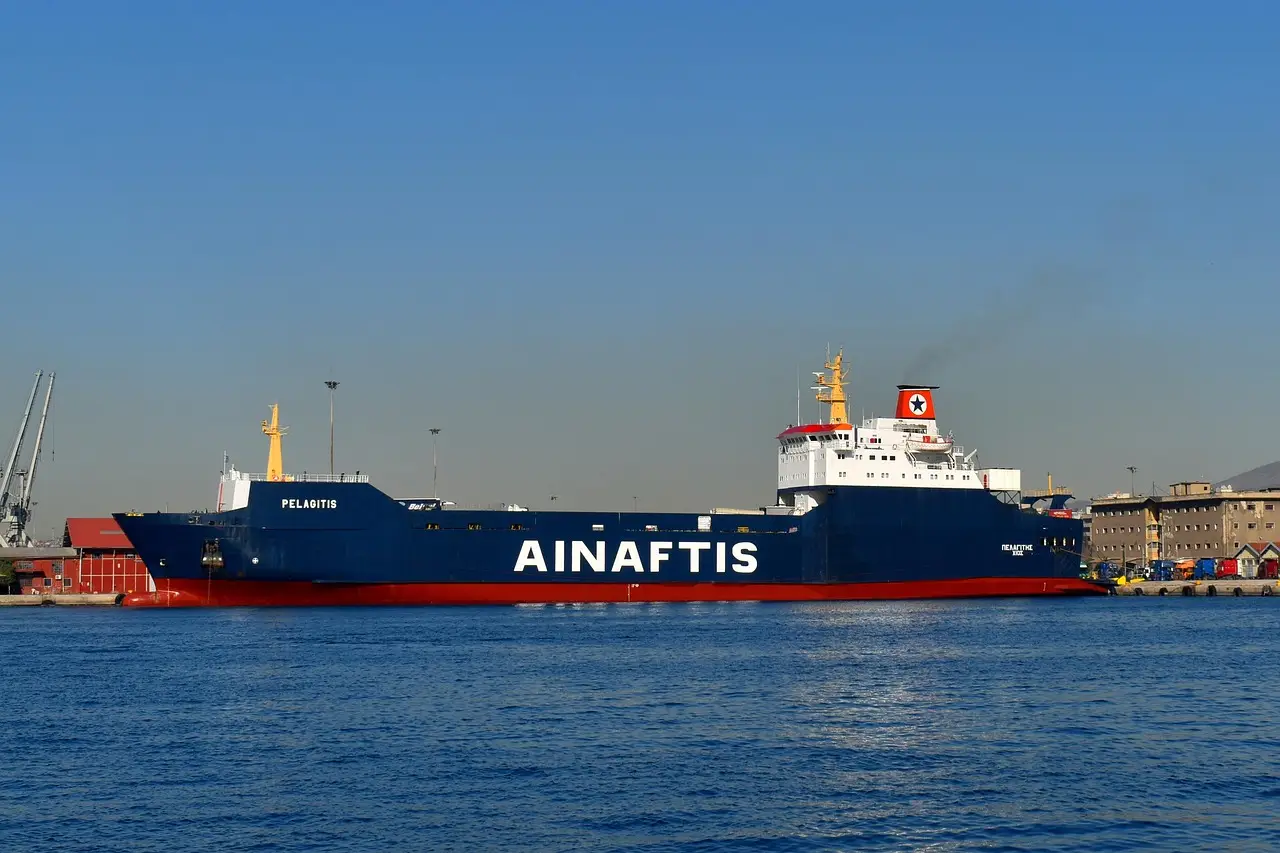
Yemen's Houthi movement struck the Saudi Red Sea port of Jizan on Wednesday, and coalition air defences destroyed a Houthi drone over the port of Jeddah, in an escalation that now puts Saudi hydrocarbon and shipping infrastructure directly in the firing line.
The Saudi-led military coalition said the Jizan attack caused only minor damage and no civilian casualties, adding that "efforts are underway to determine the type of projectile" used. Coalition spokesman Turki al-Maliki said in a statement on X that no civilian injuries were reported from falling debris after the Jeddah interception.
Jizan is home to the Jazan economic city and refinery complex on Saudi Arabia's southern Red Sea coast; Jeddah's port anchors the kingdom's main western commercial gateway. For terminal operators and logistics planners on the Red Sea corridor, the shift of fire from Yemeni to Saudi maritime infrastructure is the operative change in this round of escalation.
What does the escalation target?
The strikes are not confined to the coast. Al Jazeera's Nabil al-Yousfi reported an explosion in Sanaa after the coalition's statement, and the coalition said its air defences intercepted and destroyed ballistic missiles launched towards Riyadh. The attempted missile strike on the capital followed a Houthi drone attack on a skyscraper in Riyadh's financial district on Tuesday that injured at least 11 people.
Al Jazeera's reporting frames the pattern plainly: the two sides have hit airports, energy facilities and other civilian and economic infrastructure across the exchange. That list of target classes is what matters for downstream and shipping readers — energy assets are in scope on both sides of the border.
Why Hodeidah sits at the centre?
The Saudi port strikes followed Houthi-affiliated Al Masirah TV reports of new Saudi attacks on Yemen's port of Hodeidah. Earlier on Wednesday, the Houthis threatened to attack Saudi ports if Hodeidah came under attack — a threat they acted on within hours.
"The port of Hodeidah handles 90 percent of imported goods into Yemen. If it is closed, it could bring the humanitarian situation to the brink of collapse," Al Jazeera's Yousef Mawry said, reporting from Sanaa.
Mawry added detail with direct operational relevance: "Some of Saudi Arabia's recent attacks at the Port of Hodeidah have targeted storage tanks and cranes used to load and unload shipments." Tank and crane damage is slow and expensive to repair; if confirmed and repeated, it degrades Hodeidah's throughput long after any ceasefire. Takeaway: the port war is now reciprocal, and both kingdoms' Red Sea gateways carry the risk.
How heavy is the fighting on the ground?
Yemen's internationally recognised government forces are battling the Houthis on several fronts. The army's spokesman said 654 strikes were carried out against the group on Wednesday, according to the report.
The western front has seen the heaviest concentration of recent strikes, Al Jazeera's Maha Ali reported from Taiz. Government forces said air strikes targeted Houthi positions west of the city.
"These strikes are part of an intense and sustained wave of air raids that have continued for approximately 72 hours," Ali said.
She added: "Particular attention is focused on the most significant mountain range overlooking central Taiz: Jabal Saber and its highest peak, Jabal al-Arus. The government says the Houthis want to seize this strategic peak."
The Houthis, for their part, said there were 105 air strikes and missile attacks by the Saudi-led coalition targeting civilian sites in Sanaa and 10 governorates on Wednesday.
The exchange of claims — 654 strikes from the government side, 105 from the Houthis — will be difficult to verify independently, and readers should treat both figures as advocacy until confirmed by third parties.
What operators should watch next?
The watch items are concrete. First, whether Hodeidah's storage tanks and cranes take further damage, which would close the 90 percent import channel Mawry described and pull humanitarian response into the calculation. Second, whether the Jizan and Jeddah port attacks mark a sustained campaign rather than a one-day exchange, which would raise war-risk premia and insurance questions for Red Sea traffic. Third, whether Riyadh's financial district and energy facilities face another drone or missile salvo, after Tuesday's attack injured 11. Both sides have named ports, airports and energy infrastructure as legitimate targets. What changed this week is that Saudi terminals joined that list.
via aljazeera.com (Source)
More from James Calloway
Show full bio
Staff writer covering people, launches and day-to-day practice in Oil and gas industry operations and markets at Rig & Refinery.
672 articles
Adjoining reports
- Houthis threaten Jeddah and all Saudi Red Sea ports as coalition strikes Hodeidah
- Pipeline shutdown follows Houthi seizure of key island in Gulf
- Fire Reported Near Aramco Riyadh Site as Saudi-Houthi Fighting Escalates
- Houthis strike Saudi refinery hours after kingdom signs defence pact
- Iran strikes Kuwait base and Bahrain as Hormuz tanker attack draws Gulf fury