Well report · filed November 19, 2026
Petroleum MarketsWell report
Iran strikes Kuwait base and Bahrain as Hormuz tanker attack draws Gulf fury
Iran hit Kuwait's Ali Al Salem-area defences and Bahrain four times in six days after a US strike on Qeshm Island, and an ADNOC tanker was attacked in the Strait of Hormuz.
Field notes
- Bahrain suffered four Iranian attacks in six days; Kuwait intercepted drone strikes on a US-used airbase, its first since early September.
- The US bombed a missile launch site on Qeshm Island on Tuesday after an Iranian attack on a US radar installation in Bahrain.
- An ADNOC tanker was attacked while crossing the Strait of Hormuz, drawing Arab League and Saudi condemnation.
- The war began with US-Israeli strikes on Iran on February 28; Qatar-led mediation is stalled.
- A third US aircraft carrier has arrived in the Middle East, Iran's army chief said.
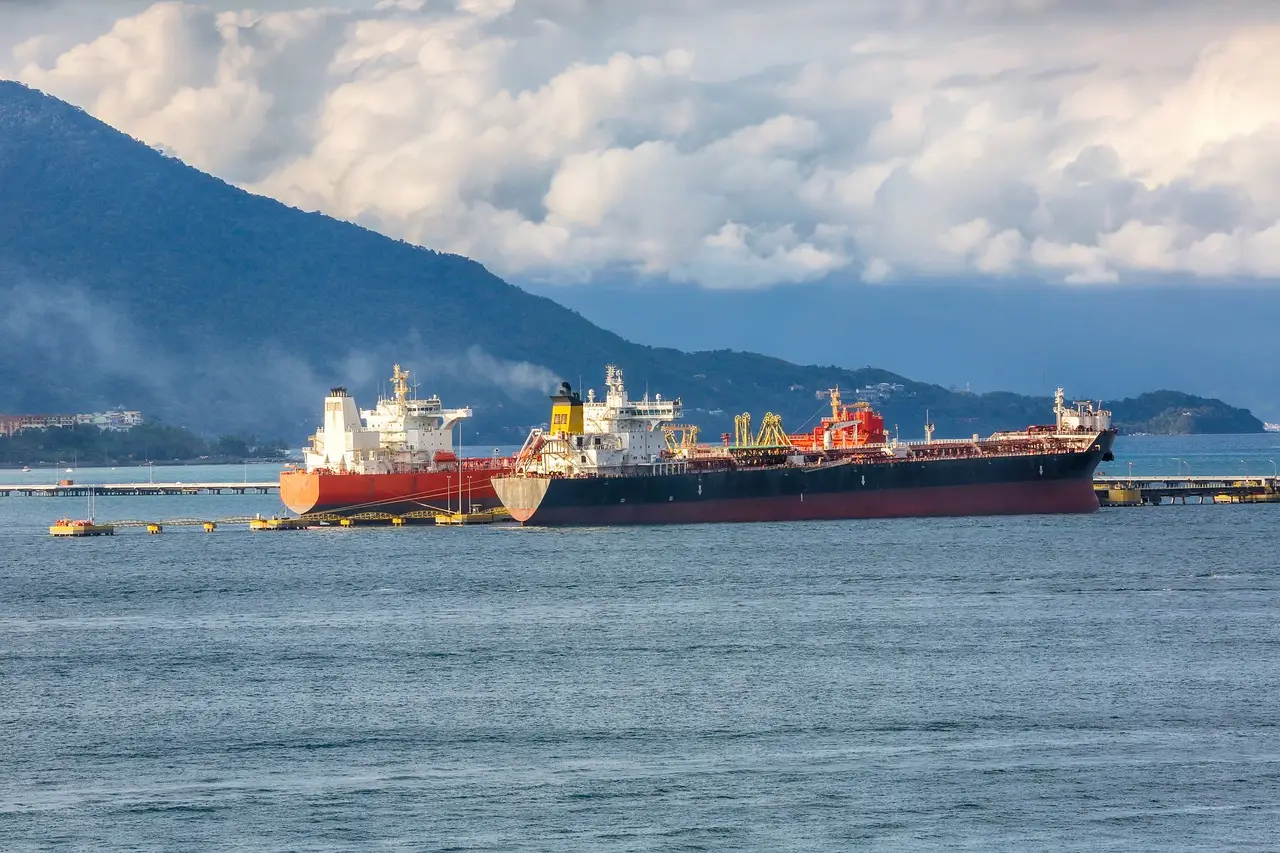
Four Iranian attacks have hit Bahrain in six days, and Kuwait intercepted drone strikes on a US-linked airbase on Wednesday, ending a weeks-long lull in the Gulf war that began with US-Israeli strikes on Iran on February 28.
The escalation followed a US bombing of a missile launch site on Qeshm Island in the Strait of Hormuz, the chokepoint carrying roughly a fifth of the world's seaborne oil. Kuwait activated its air defences against the drones, its first such incident since early September. Bahrain said it repelled an Iranian attack early on Wednesday.
The US said it struck Qeshm in response to an Iranian attack on a US radar installation in Bahrain on Tuesday. Bahrain hosts the US Navy's 5th Fleet, the naval command responsible for Gulf maritime security and the protection of tanker traffic through Hormuz.
What does the escalation mean for Gulf shipping?
The new attacks reach beyond military targets into the commercial domain that matters most to oil markets. Saudi Arabia's Ministry of Foreign Affairs condemned the strikes on Kuwait and Bahrain "in the strongest terms" and denounced a separate attack on a tanker belonging to the United Arab Emirates.
Arab League Secretary-General Nabil Fahmy said the repeated attacks on Arab countries reveal "a continuous escalation pattern that threatens to widen the circle of confrontation". He specifically condemned the targeting of a ship belonging to ADNOC, the UAE's national oil company, as it crossed the Strait of Hormuz — the first reported strike on a named Emirati energy carrier in this phase of the conflict.
For refiners and cargo underwriters, the incident marks a direct hit on Hormuz transit, the route that carries crude from Kuwait, Saudi Arabia, the UAE, Qatar and Iran itself to global buyers. Riyadh said the kingdom rejects Iran's disruption of shipping routes and urged a negotiated settlement.
How have regional governments responded?
Condemnation came from across the Gulf and the wider Arab world within hours of the strikes.
- Saudi Arabia condemned the attacks "in the strongest terms" and rejected disruption of shipping lanes.
- Qatar's Foreign Ministry called the attacks "a dangerous escalation" that risks undermining diplomatic efforts. Spokesman Majed al-Ansari warned that continued escalation without restraint from both the US and Iran makes a negotiated solution, or even continued dialogue, harder, Al Jazeera's Zein Basravi reported from Doha.
- GCC Secretary-General Jasem Mohamed Albudaiwi held Iran "responsible for this escalation and its repercussions on regional security".
- Kuwait's Foreign Ministry described the drone attacks as flagrant violations of its sovereignty and a direct threat to its security. The UAE also condemned the strikes.
Is a wider war back on the table?
Iran framed its attacks as retaliation for US drone surveillance operations and a strike on Iranian communications towers. The exchanges risk resuming all-out conflict nearly nine months into the war, and they complicate stalled negotiations for a diplomatic solution despite intensified mediation by Qatar.
Iranian army chief Major-General Amir Hatami said his forces were "monitoring the enemy's movements" after a third US aircraft carrier arrived in the Middle East, the Fars news agency reported. He said Iran's response to any misstep by the US and its "backers" would be "even more crushing".
The concentration of three US carriers in the region, combined with strikes on radar, missile and communications infrastructure on both sides, points to a deterrence cycle rather than a resolution. In plain terms: tanker operators, Gulf producers and refinery planners should assume elevated Hormuz risk until negotiations resume.
The watch items are the ADNOC tanker's condition and cargo status, any insurance or war-risk premium reaction in the Gulf shipping market, and whether Qatar's mediation can restart talks before the nine-month war reverts to open conflict.
via aljazeera.com (Source)
More from Olivia Hart
Show full bio
Correspondent covering technology and product news in Oil and gas industry operations and markets at Rig & Refinery.
626 articles
Adjoining reports
- Six IRGC Drones Target US Radar at Bahrain's Riffa Air Base
- Three Tankers Hit in Hormuz as Iran-US Strikes Spread to Gulf States
- 1.7 Billion Barrels Shipped as US Blockade Halts Iran Crude Loadings
- Iran keeps Strait of Hormuz shut pending seven US conditions
- IRGC claims strike on US early-warning radar in Bahrain