Well report · filed November 24, 2026
Upstream Drilling & ProductionWell report
Indonesia clears Eni's Geliga plan: 15 wells, 1 bcf/d FPSO
Indonesia has approved Eni's plan to develop the Geliga gas field in the Kutei Basin: 5.9 tcf of gas in place, 15 subsea wells and a 1 bcf/d FPSO, with first gas still undated.
Field notes
- Indonesian authorities approved Eni's Geliga plan of development six months after the field's discovery.
- The plan covers 5.9 tcf of gas in place and 250 million barrels of associated condensate at Geliga, plus 2.2 tcf at Gula.
- The project calls for 15 subsea wells and a new FPSO rated at roughly 1 bcf/d of gas and 80,000 bbl/d of condensate, with 1.4 mbbl of storage.
- Eni targets peak output of 1 bcf/d of gas and 50,000 bbl/d of condensate from Geliga and Gula.
- Searah, the 50-50 Eni-Petronas JV formed in June 2026, operates Geliga and targets more than 500,000 boepd by 2028.
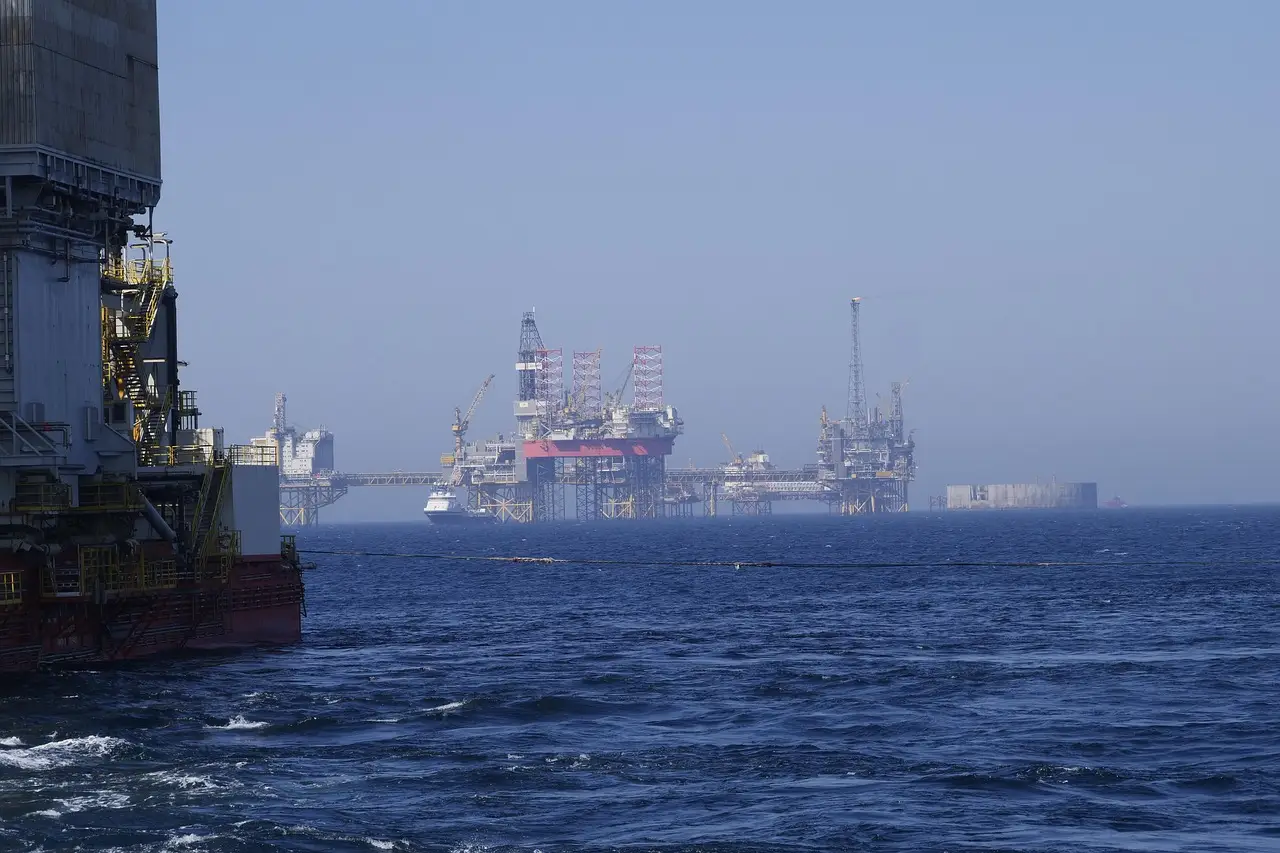
Eni has won Indonesian approval for the Geliga development plan: 5.9 trillion cubic feet (tcf) of gas in place, 15 subsea wells and a new FPSO (floating production, storage and offloading) unit rated at 1 billion cubic feet per day (bcf/d).
The sanction applies to the Geliga field inside the Ganal production sharing contract (PSC) in the Kutei Basin, East Kalimantan. Eni said Indonesian authorities signed off on the plan of development (POD) six months after the Geliga discovery. The company frames the approval as a key step toward tapping roughly 8 tcf of gas in place across Geliga and the neighbouring Gula field.
The paperwork is done. The startup date is not.
Who operates the field, and how much is in it?
According to Eni, the approved plan covers 5.9 tcf of gas in place and 250 million barrels (mbbl) of associated condensate from Geliga, plus 2.2 tcf of gas in place at Gula. The two figures add to about 8.1 tcf, a touch above the 8 tcf headline Eni cited.
Searah operates Geliga. Eni and Petronas formed that 50-50 joint venture (JV) in June 2026. Searah manages 19 assets across Indonesia and Malaysia, currently produces roughly 350,000 barrels of oil equivalent per day (boepd) and targets "surpassing 500,000boepd by 2028," according to Eni.
One gap: Eni attaches a condensate figure to Geliga but none to Gula. The split of the 250 mbbl condensate volume, and how much of the 2.2 tcf actually sits in Gula, goes unstated.
The operator has the scale to build this. The reserve split on paper is incomplete.
What actually gets built?
Eni lists a fixed scope: 15 subsea wells, associated flowlines, a new FPSO, onshore tie-ins and a tanker shuttle.
- 15 subsea wells, plus associated flowlines to the FPSO.
- FPSO capacity of roughly 1 bcf/d of gas and 80,000 barrels per day (bbl/d) of condensate, with 1.4 mbbl of storage on board.
- Processed gas moves by pipeline to onshore facilities at the Santan Terminal, then into the East Kalimantan gas network.
- Some gas liquefies at the Bontang LNG plant; the remainder moves to the domestic market through pipelines.
- Condensate gets stabilised and stored on the FPSO, then loaded onto shuttle tankers for transport.
Logistics run both ways. Gas flows through subsea flowlines to the vessel and onward by pipeline to Santan. Condensate flows back out by tanker.
The nameplate invites a second look. Eni puts peak output from Geliga and Gula together at 1 bcf/d of gas and 50,000 bbl/d of condensate, which sits below the processing capacity written into the vessel design. That gap could signal upside from recovery factors (the share of gas in the reservoir a well can actually deliver), or a broader processing role than Eni describes.
The vessel has capacity on paper. The production case behind it is thinner.
How does Geliga fit the Kutei hub?
Geliga and Gula will form the third production hub in the Kutei Basin, joining the South Hub already operating and the North Hub now under construction after a final investment decision (FID) taken earlier this year.
Eni expects the three hubs to lift gross production in East Kalimantan to about 3 bcf/d of gas and 140,000 bbl/d of condensate by the end of the decade. Eni does not break that figure down by hub.
Eni said the latest project "will benefit from integration with the North Hub," scheduled for start-up in 2028, and expects that integration to "streamline costs and timelines."
The cost argument is integration-led. It remains an assertion, not a schedule.
What the release leaves out
No capital estimate appears in the release, no sanction date and no first-gas date, while the June 2026 creation of Searah and an undated discovery leave the timeline hard to pin down.
Nor does Eni say whether Geliga gas adds to volumes currently piped to Bontang or displaces them, or give the commercial terms of the Ganal PSC.
The missing dates matter more than the missing adjectives. With the North Hub starting in 2028, a Geliga startup without its own guidance could slip behind shared infrastructure Eni says will deliver the savings. That is inference on our part, not company guidance.
Watch item: Eni's sanction and first-gas date for Geliga, and the volume split between Bontang LNG exports and the East Kalimantan domestic grid. Until those land, 15 wells and 1 bcf/d remain a plan of development rather than a production number.
via Offshore Technology (Source)
More from Priya Raman
Show full bio
Senior reporter covering technology and product news in Oil and gas industry operations and markets at Rig & Refinery.
672 articles
Adjoining reports
- Eni Takes 100% of Sapukala Deepwater Block in Kutei Basin
- Eni Starts Up Maha Gas Field Off Indonesia, Extending Kutei Plateau to 750 mscf/d
- Maha Field Starts Up Off Indonesia, Headed for 230 MMSCFD
- Saipem secures $2 billion FPSO contract from Eni–Petronas venture
- Eni Offloads 10% Stakes in Indonesian PSCs to Pertamina and Medco