Well report · filed November 24, 2026
Upstream Drilling & ProductionWell report
Baghdad Moves to Seize Kurdish-Controlled North Oil Company Fields
Iraq's oil ministry wants North Oil Company fields in Kurdistan placed under federal control after a smuggling probe, as the 2027 budget draft ties the KRG's 12.5% share to 400,000 bpd of SOMO crude exports.
Field notes
- Baghdad seeks federal control of North Oil Company fields in Kurdistan after a smuggling investigation, Oil Minister Basim Mohammed Khudair said.
- The 2027 budget draft keeps Kurdistan's share at 12.5% of spending but requires at least 400,000 bpd of KRG crude supplied to SOMO.
- Iraq has raised exports via Turkey's Ceyhan port to 500,000 bpd by trucking Basrah crude north to the pipeline system.
- Iraq plans to task the army with overseeing external border crossings from north to south.
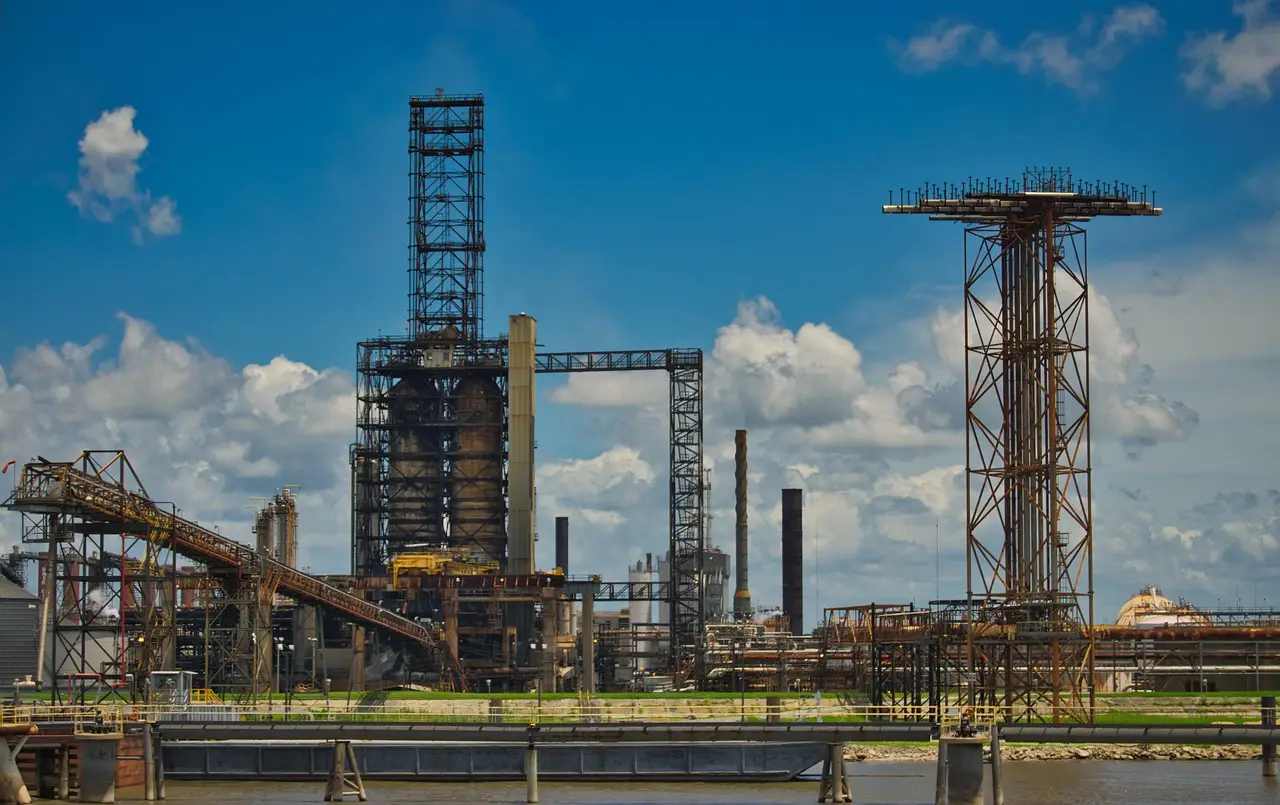
Iraq's oil ministry wants fields in the semi-autonomous Kurdistan region held by the federally-owned North Oil Company placed under direct federal control, Oil Minister Basim Mohammed Khudair said this week, citing an investigation into crude smuggling in the northern fields.
The move reopens one of the sector's longest-running jurisdictional fights. It lands just as Baghdad drafts its federal 2027 budget.
What did the minister actually say?
Khudair told Iraqi News Agency INA that an investigation has been completed and will produce recommendations. He did not publish the findings. He did not name the fields involved.
"There have been violations at oil fields belonging to the North Oil Company."
Those fields "have been seized" by the Kurdistan Regional Government (KRG), the minister said, adding that smuggling operations also originate from other areas. No volumes were quantified. That gap matters. Smuggling claims from Baghdad have surfaced repeatedly since the 1990s, usually without barrels attached.
The ministry's position, in Khudair's words, is that "the management of these fields should be federal, under the Ministry's authority, consistent with how it manages fields in the central and southern regions." Basrah and Kirkuk-area operations run under federal concessions in the south. Kurdistan has contracted its own fields independently since 2007.
Khudair also flagged a wider enforcement push. Prime Minister-designated policy, he said, intends "to resolve all outstanding issues and strengthen control over external border crossings by tasking the Iraqi Army with overseeing them, from the north to the south." Border control sits at the heart of the smuggling question. Without army deployment at crossings, any federal takeover of fields changes little downstream.
Takeaway: Baghdad is asserting legal authority, but the statement offers no field names, no barrels smuggled, no volumes to audit.
How does the 2027 budget raise the stakes?
Iraq is drafting its federal 2027 budget now. Every annual budget earmarks a share for the Kurdistan region. Next year's draft keeps that share at 12.5% of total spending, according to a draft seen by The National.
The draft adds a condition. The KRG must supply at least 400,000 barrels per day (bpd) of crude to Iraq's State Oil Marketing Organisation (SOMO) for exports. If Kurdistan cannot export that volume, the region must deliver the crude to the federal oil ministry for domestic use instead.
That 400,000 bpd clause is the hard number in this story. It effectively converts budget transfers into a production-and-delivery obligation, and it hands Baghdad a compliance lever it has previously lacked.
Takeaway: Kurdistan keeps its 12.5% share on paper, but only if it moves 400,000 bpd through SOMO.
What is happening at Ceyhan?
Separately, Iraq has lifted crude exports through the Turkish Mediterranean port of Ceyhan to 500,000 bpd, according to the report. OPEC's second-largest producer has begun trucking Basrah crude north to feed the pipeline system running to Ceyhan.
The trucking workaround signals that pipeline throughput from the north remains constrained, though the report does not state the bottleneck's cause. Ceyhan flows have been episodic since the 2023 halt of Kurdistan's independent exports. A 500,000 bpd number via trucking plus pipeline is modest against Iraq's total exports, which run above 3 million bpd.
Takeaway: Ceyhan is moving again, at 500,000 bpd, but the logistics are patched-together.
What to watch
Three items will decide whether this is leverage or a genuine seizure. First, the investigation's recommendations — field names and volumes, if Baghdad ever releases them. Second, the KRG's response to the 400,000 bpd condition as the 2027 budget moves through parliament. Third, whether the Iraqi Army actually takes control of border crossings from north to south, as Khudair indicated.
For now, one caveat sits on every promise: nothing in the minister's remarks constitutes a transfer of operatorship. It is an intent, stated mid-budget negotiation.
via ina.iq (Original)
More from Priya Raman
Show full bio
Senior reporter covering technology and product news in Oil and gas industry operations and markets at Rig & Refinery.
672 articles
Adjoining reports
- Iraq orders federal takeover of oilfields in Kurdish-controlled areas
- Kirkuk Crude Flows Through Kurdistan Pipeline Reach 250,000 BPD
- Iraq PM Fires Nine Officials Over Pipeline Tapping Worth $30m a Month
- Iraq Moves on Jurf al-Sakhar After Pipeline Oil Theft Exposed
- Nine Officials Gone: Iraq Targets Oil Smuggling at Jurf al-Sakhar