Well report No. RR-6432 · T14N · R12W · SEC 26 · filed October 30, 2026
Petroleum MarketsWell report
Iran Budget Tests $130 Oil as Blockade Strands 50 Tankers
Iran’s 2027 budget may test $130 oil, but a U.S. blockade stranded at least 50 tankers and cut floating storage from near 150 million barrels to 866,000.
Field notes
- At least 50 Iranian tankers were stranded by early October, United Against Nuclear Iran said.
- Iran’s budget year starts in March 2027; $130/bbl is a possible scenario, not a confirmed baseline.
- The U.S. Navy reinstated the Gulf of Oman blockade in mid-July after the U.S.-Iran “deal to make a deal” collapsed.
- Floating storage fell from close to 150 million barrels before the April port blockade to 866,000 by mid-October, Kpler said.
- Iranian oil exports have plunged since August, according to vessel-tracking services.
By Daniel Okafor
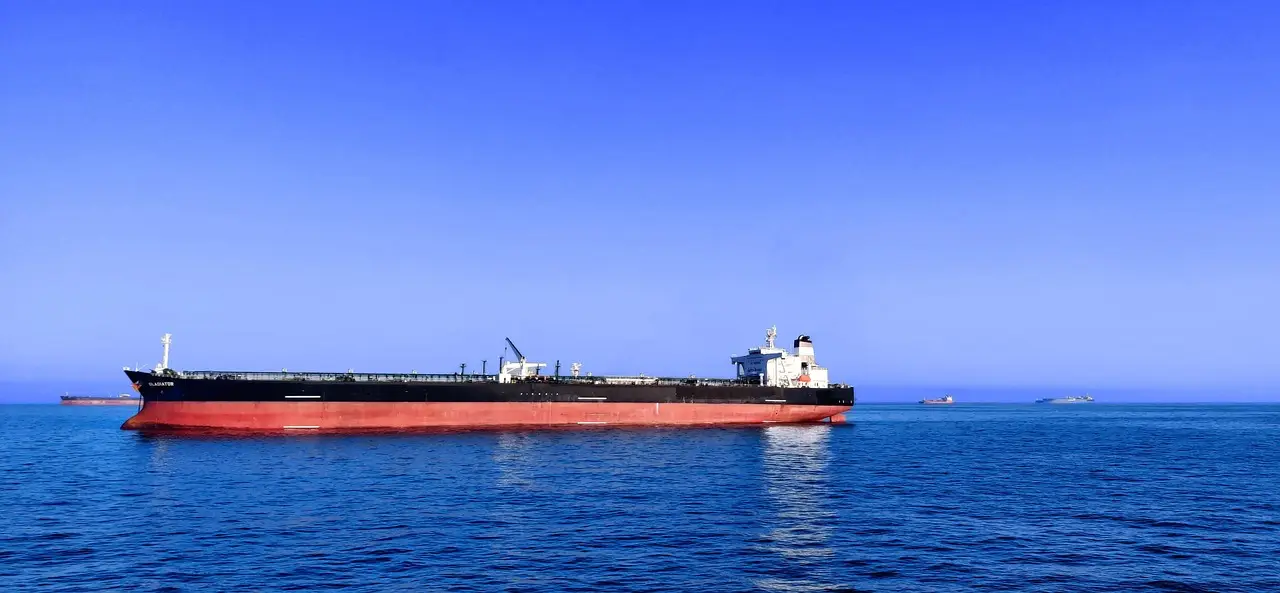
At least 50 Iranian oil tankers were stuck inside the Persian Gulf near Iran’s coastline by early October, United Against Nuclear Iran said. They carried oil, and the U.S. blockade in the Gulf of Oman had stranded them. The count came as planners weighed a $130 case for the budget year starting March 2027.
What does $130 oil mean for Iran’s 2027 budget?
Oilprice.com, in a report by Charles Kennedy, said Iranian media had raised $130 per barrel as one possible budget scenario. Planners at the Plan and Budget Organization are preparing the national budget for the next Iranian year, which starts in March 2027. The $130 figure could appear in that work without becoming the government’s base assumption.
Fars News Agency, which the report described as close to the Islamic Revolutionary Guard Corps, said the Plan and Budget Organization may include that scenario. The baseline remains unsettled.
The report considered a $130 baseline highly unlikely because Iran has typically budgeted with conservative oil-price assumptions. On the report’s evidence, $130 remains a planning case rather than a settled revenue benchmark.
Takeaway: Iran may study $130 oil, but the final budget baseline remains unsettled.
How large is the shipping blockage?
United Against Nuclear Iran is a U.S.-based non-profit and non-partisan policy organization. In a shipping update, it said the blockade had stranded at least 50 Iranian tankers laden with oil by early October. The vessels sat inside the Persian Gulf, close to Iran’s coastline, while the blockade covered the Gulf of Oman.
The U.S. Navy reinstated that operation in mid-July, after the collapse of the U.S.-Iran “deal to make a deal.” The Navy operated outside the Strait of Hormuz and intended to force Iran’s oil exports to zero while gaining leverage in any subsequent negotiations with Tehran.
Iran has publicly remained defiant and says it will find ways to dodge the U.S. blockade. That statement does not establish restored export capacity. Vessel-tracking services have estimated that Iran’s oil exports have plunged since August.
Takeaway: The disruption reached both the Gulf’s tanker routes and Iran’s access to overseas buyers.
How much floating storage has Iran lost?
Kpler’s data show how quickly the floating supply changed. Before the United States imposed its blockade on Iranian ports in April, Iran held close to 150 million barrels in floating storage, but by mid-October Kpler estimated that only 866,000 barrels remained.
The implied reduction was roughly 149 million barrels, or more than 99% of the April level. That makes the April inventory about 173 times the mid-October figure. The report also said the Navy blockade had drained floating storage.
“There’s no more oil to discharge to China anymore,” said Homayoun Falakshahi, Kpler’s head of crude oil analysis. The Wall Street Journal quoted him earlier that month. Both accounts point to the same constraint: exports plunged even as Iran’s planners discussed $130 oil.
Takeaway: Kpler’s figures show a near-total loss of floating supply, with only 866,000 barrels left by mid-October.
Can Iran convert a higher price into export income?
The report’s central judgment was blunt: Iran may not benefit from higher oil prices at all. The U.S. blockade was crippling exports, so a stronger benchmark could not translate into export earnings while tankers, floating storage and cargo discharge remained constrained by the Gulf operation. The source framed that gap as the reason higher prices may not improve Iran’s finances.
The relevant comparison is $130 against barrels Iran can actually export, not a current market quotation that the source did not supply. The next checks are operational:
- Which oil price Iran places in the budget baseline for the year beginning March 2027.
- Whether the at least 50 stranded tankers move or discharge their cargo.
- Whether vessel-tracking services confirm continued export weakness since August.
- Whether Kpler’s 866,000-barrel floating-storage estimate rises in the next update.
None requires a market-price forecast.
Takeaway: Watch the final budget benchmark, tanker movements and Kpler discharge data; the gap between price assumptions and exported barrels is the margin that matters.
via iranintl.com (Original)
More from Daniel Okafor
Show full bio
Market editor covering companies, deals and strategy in Oil and gas industry operations and markets at Rig & Refinery.
539 articles
Adjoining reports
- OPEC's September Report Puts Iran Crude Output Back in Focus
- Brent climbs 2.25% to $105.40 on stalled US-Iran diplomacy
- Oil Market Prices In Premium as Nuclear Talks Risk Stalls
- Gulf oil keeps flowing through Iran conflict, but war costs mount
- Iranian Heavy Crude Clears $105/b in September, OPEC Data Show