Well report No. RR-7090 · T8N · R12W · SEC 20 · filed November 15, 2026
Petroleum MarketsWell report
Six IRGC Drones Target US Radar at Bahrain's Riffa Air Base
Iran's IRGC says it launched six drones at a US radar at Bahrain's Riffa Air Base, the second claimed strike in three days, as two tankers hit mines in the Strait of Hormuz.
Field notes
- IRGC claims it launched six drones at a US air defence radar at Bahrain's Riffa Air Base on Sunday, the second such claim in three days
- IRGC navy says two oil tankers struck sea mines in the Strait of Hormuz on Saturday; two others turned back after warnings
- Pentagon IG report found Iranian attacks damaged US buildings in eight countries in the war's first four months since February 28
- Iran has conveyed seven conditions for a deal through a Qatari mediator and awaits a US response
- CENTCOM says it shot down two IRGC drones on Friday with no injuries or damage
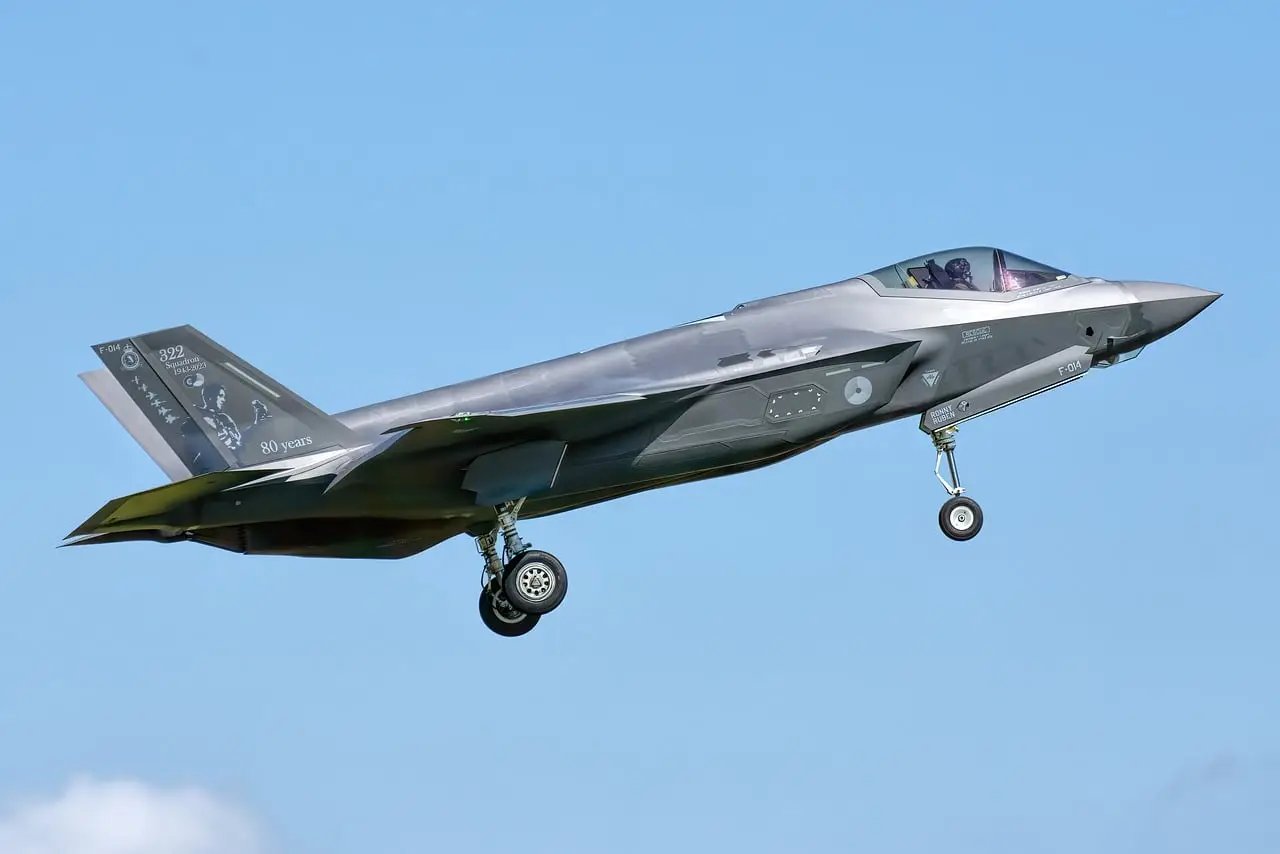
Six drones — that is the number Iran's Islamic Revolutionary Guard Corps says it launched at a US air defence radar system at Bahrain's Riffa Air Base on Sunday, the second claimed strike on a US radar in the kingdom in three days.
The Bahrain Defence Force said its air defence systems thwarted several Iranian "aerial attacks" targeting the kingdom. Sirens sounded across Manama as the Interior Ministry urged residents to "remain calm" and "proceed to the nearest safe location."
Bahrain matters to oil markets beyond the headlines: Manama hosts the US Navy's Fifth Fleet, the command centre for Gulf maritime security and the escort missions now contesting traffic through the Strait of Hormuz. A Pentagon inspector general's report released in September found that Iranian attacks had damaged or destroyed buildings at US installations in eight countries, including Bahrain, in the first four months of the US-Israel war on Iran, which began on February 28.
The takeaway: the Gulf's military logistics backbone is now a repeated target, and tankers moving crude through Hormuz are paying the price.
What happened on Sunday?
The IRGC said it struck the radar at Riffa Air Base in a statement carried by its affiliated Fars News Agency, describing the attack as a response to what it calls hostile US actions.
Bahrain's Interior Ministry issued two alerts within about three hours, the first around 4:30am (01:30 GMT). The ministry warned of a "potential threat" and urged residents to seek shelter, giving no further details.
The US military said it intercepted two Iranian drones on Friday but has yet to comment on Sunday's claim.
In its statement, the IRGC said the Strait of Hormuz remained closed and claimed US efforts to escort ships through the waterway had failed. It warned that any US attack would draw a more severe response.
The one-line read: Iran is framing each strike as enforcement of a closure the United States does not recognise.
What happened on Friday?
The IRGC said on Friday that it destroyed a US early-warning radar system in Bahrain in retaliation for what it described as an air attack on a telecommunications tower in southern Iran.
The US military's Central Command (CENTCOM) denied the claim, saying it had shot down two IRGC drones and that there were no injuries or damage. The two sides, in short, are reporting the same engagement in opposite terms.
In a statement carried by the semiofficial Tasnim News Agency, the IRGC called the operation a "serious warning" over what it described as aerial provocations and oil smuggling in the Strait of Hormuz. Reuters reported that Friday marked the first time since early September that Iran had claimed an attack on US military assets in a Gulf country.
Tehran has told the UN Security Council it would respond immediately to renewed US or Israeli attacks, and it has accused Bahrain and other Gulf states of supporting US military operations. Bahrain, for its part, has called for full implementation of Security Council Resolution 2817, which condemned Iranian attacks on Bahrain and other countries in the region and demanded they stop.
What has happened in the Strait of Hormuz?
The shipping picture is deteriorating. The IRGC's navy said two oil tankers struck sea mines on Saturday while trying to pass through the Strait of Hormuz. In a statement carried by state news agency IRNA, it said the vessels had switched off their navigation and tracking systems and were using what it called an "unauthorised" route.
The IRGC said two other tankers turned back towards the Gulf after warnings from its maritime traffic control centre.
Al Jazeera's Mohammed Vall, reporting from Tehran, said on Saturday there were "two similar incidents yesterday" and that the number of tankers hitting mines has increased.
Vall said Iran claims the Strait of Hormuz is under its "full control" and that "only Iran and Oman have the right to control it." The United States rejects that claim.
According to Vall, Iran blamed the incidents on the tanker owners and the countries backing them, saying they had failed to comply with the regulations Iran imposes on passage through the strait.
For charterers and refiners, the operative fact is simple: mines are hitting hulls, and Iran is assigning the blame to operators rather than to itself.
Where do efforts to end the war stand?
Diplomacy remains stalled. Iran's parliamentary speaker and chief negotiator, Mohammad Bagher Ghalibaf, told Al Jazeera that Tehran wants to move beyond a state of "no war, no peace."
Ghalibaf said in the interview last week that Iran has conveyed seven conditions for a deal through a Qatari mediator and is awaiting an official US response. The conditions include:
- lifting the US naval blockade and sanctions
- releasing frozen Iranian funds
- ending hostilities on all fronts
- formally declaring the war over
President Donald Trump's administration, meanwhile, has tightened sanctions and maintained the blockade on Iranian ports.
Saeid Golkar, UC Foundation associate professor of political science at the University of Tennessee at Chattanooga, told Al Jazeera that limited exchanges could escalate into a wider war.
"Both sides may prefer to avoid a full-scale war, but the danger lies in miscalculation," Golkar said. "Iran may continue limited maritime and regional escalation to increase pressure while Washington could respond militarily. Such exchanges could eventually lead to a broader conflict that neither side initially intended."
The watch item is Hormuz itself: whether the next mine strike, or the next drone volley at a Gulf base, becomes the miscalculation Golkar warns about — and whether Washington answers Tehran's seven conditions at all.
via aljazeera.com (Source)
More from Elena Vasquez
Show full bio
News editor covering technology and product news in Oil and gas industry operations and markets at Rig & Refinery.
599 articles
Adjoining reports
- IRGC claims strike on US early-warning radar in Bahrain
- Iran keeps Strait of Hormuz shut pending seven US conditions
- Tankers ablaze in Hormuz as drone alert halts Iraq's Khor Mor gas field
- Brent Above $117 as Saudi Attacks Put Supply Back in Focus
- Twelve Vessels Hit in a Week as Iran Intensifies Strait of Hormuz Strikes