Well report No. RR-4542 · T2N · R31W · SEC 26 · filed November 17, 2026
Petroleum MarketsWell report
Iran keeps Strait of Hormuz shut pending seven US conditions
Iran says the Strait of Hormuz stays shut until Washington meets seven conditions, while the IRGC reports three tankers hit mines and at least 37 November vessel attacks.
Field notes
- At least 37 ship attacks occurred in and near the Strait of Hormuz in November, the highest monthly total since the war began.
- The IRGC said three oil tankers caught fire after striking naval mines on Tuesday, while UKMTO reported two tanker incidents.
- Security chief Mohsen Rezaei said the strait stays shut until the United States meets seven conditions for peace talks.
- Foreign Minister Abbas Araghchi said the Strait could reopen within two days if the demands are met.
- The war entered its ninth month, disrupting oil and gas supplies and pushing prices higher worldwide.
By Olivia Hart
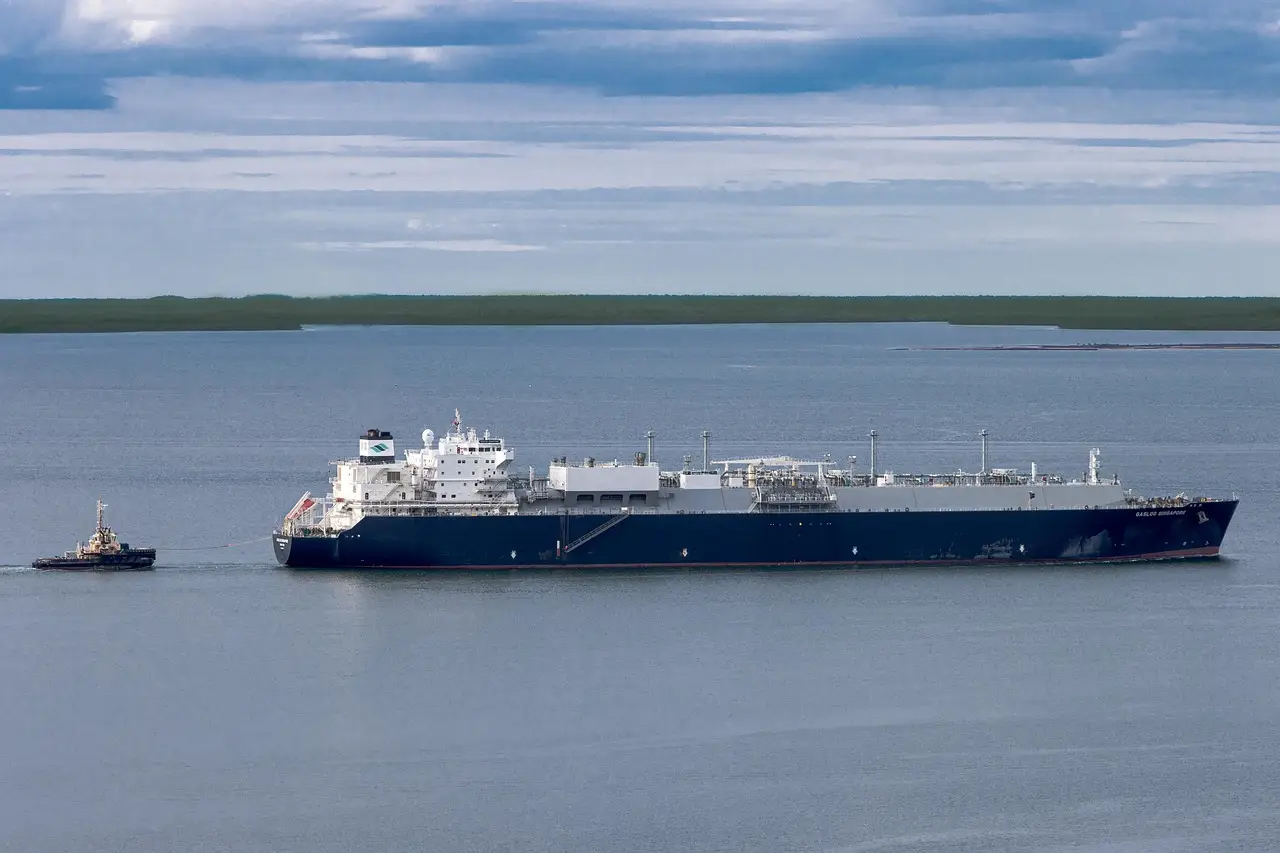
At least 37 attacks hit ships in and near the Strait of Hormuz in November, the highest monthly total since the war began. Maritime monitoring firms logged the incidents inside and near the waterway. Iran has closed the strait, a global maritime corridor for oil and gas cargo.
On Tuesday, Iran's Islamic Revolutionary Guard Corps (IRGC) claimed three oil tankers caught fire. The tankers struck naval mines while transiting an unauthorized route in the eastern part of the strait.
The UK Maritime Trade Operations agency (UKMTO, which reports maritime security incidents) received reports of incidents involving two tankers in the region, one struck by an unknown projectile northeast of Oman's Lima village.
What does Iran require before the strait reopens?
Iran's security chief, Mohsen Rezaei, said Tehran awaits an explicit U.S. response to seven conditions for peace talks. He spoke on Tuesday with Lebanon's Al Mayadeen TV, denying claims that negotiations continue or that a meeting will take place in Qatar.
Rezaei said Washington promotes negotiations to ease economic pressure and bring down oil prices. The Strait of Hormuz will stay shut until the United States meets all seven conditions, he said. "Their initial response was insufficient and deceptive, and we are still waiting for an explicit and clear response," Rezaei said.
Iran has not published the full list of conditions. Rezaei and Foreign Minister Abbas Araghchi have said the conditions include lifting sanctions, ending the U.S. naval blockade, and halting fighting on all fronts, especially Israeli attacks on Lebanon.
Araghchi said the strait could reopen within two days if the demands are met. He told the state news agency IRNA that military means and intensified sanctions cannot resolve the conflict. Only diplomacy and respect can address Iran's demands, he said, and the conditions were outlined in a two-day proposal that remains on the table.
Takeaway: Reopening now requires an explicit U.S. answer to Tehran's stated terms, not another mediation announcement.
Where do the diplomatic efforts stand?
Hopes for a diplomatic breakthrough grew after President Donald Trump said he saw positive momentum toward ending the conflict. Trump met Qatar's Prime Minister Sheikh Mohammed bin Abdulrahman bin Jassim Al Thani at the White House on Monday. He said new attacks on Iran were unnecessary, and Qatar remains a key mediator.
On Tuesday in Paris, Sheikh Mohammed held talks with Saudi Arabia's foreign minister and four senior European diplomats, hours after his White House meeting with Trump and alongside a gathering of Group of 7 foreign ministers. The French Foreign Ministry said the agenda covers the Iran crisis and its security and economic fallout.
U.S. Secretary of State Marco Rubio said Washington remains open to diplomacy. He reiterated Trump's position that further strikes are unnecessary if economic means achieve the same objectives. "The economic campaign is so devastating that right now there is no need for major combat operations," Rubio said. He told allies in Paris the same message.
Araghchi said the proposal remains available and Hormuz could reopen within two days if the demands are met.
Takeaway: Mediation channels remain active, but Iran says the specific talks it wants have not begun.
What has the closure meant for oil and gas markets?
The nine-month conflict between the United States, Israel and Iran has roiled global markets, disrupted oil and gas supplies, and pushed prices higher worldwide. Iran's closure of the corridor blocks routine passage, while reported tanker attacks affect vessels still moving through the region.
Takeaway: Oil and gas markets have absorbed nine months of disruption, and the shipping channel remains exposed.
What should traders watch next?
Three items matter for the next assessment: an explicit U.S. answer to the seven conditions, Araghchi's two-day reopening timeline, and independently verified details of the tanker incidents. The IRGC reported three tankers hit mines and caught fire. UKMTO reported two tanker incidents, including one strike by an unknown projectile.
The immediate watch item is the strait, where two days remains the only stated reopening benchmark. Any U.S. response that satisfies the conditions would start that clock, according to Araghchi. Until then, shipping through Hormuz remains constrained, and the risk to oil and gas supply persists.
The next hard trigger is Washington's response, followed by the two-day reopening test.
via aljazeera.com (Source)
More from Olivia Hart
Show full bio
Correspondent covering technology and product news in Oil and gas industry operations and markets at Rig & Refinery.
605 articles
Adjoining reports
- Hormuz conflict has killed 25 seafarers, IMO records show
- Tankers ablaze in Hormuz as drone alert halts Iraq's Khor Mor gas field
- Iran Threatens Regional Energy Infrastructure as Hormuz Standoff Persists
- Hormuz Crossings Drop 70% as Qatar LNG Repairs Run 3-5 Years
- Six Tankers Struck by Mines in Hormuz; Brent Holds Mid-90s as Q4 Surplus Caps Rally