Well report No. RR-5692 · T2N · R28W · SEC 14 · filed November 2, 2026
Petroleum MarketsWell report
Iranian Projectile Hits Emirati Tug Far From Hormuz Chokepoint
A 1,300-dwt Emirati tug, the Selat Storm, was struck hundreds of miles from Hormuz and left partially sinking — the second tug hit since October 18, as Tehran offers a two-day reopening.
Field notes
- UAE-owned tug Selat Storm, ~1,300 dwt, hit by a projectile Sunday evening and later seen partially sinking
- Second likely Iranian attack on a tug in Hormuz since the October 18 strike on Dutch-flagged JIF Barracuda
- Iran claimed four tankers hit mines last Thursday during alleged 'illegal' passage
- Tehran says it can reopen Hormuz within two days if its conditions are met
- First known IRGC limpet mine attack on a tanker since 2019 occurred days ago
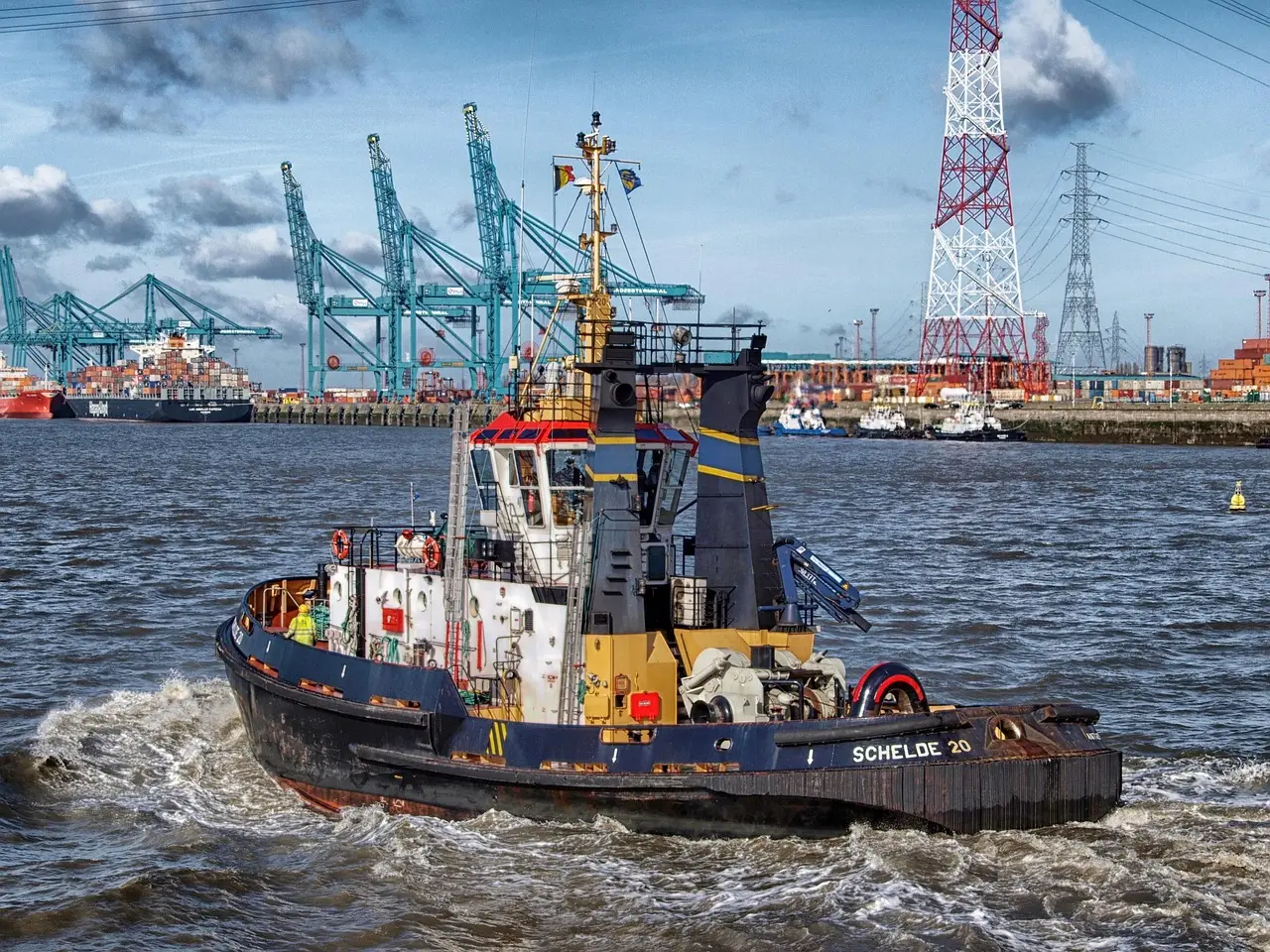
An Emirati-owned offshore tug of roughly 1,300 dwt was hit by a projectile on Sunday evening and later observed partially sinking — hundreds of miles from the Strait of Hormuz chokepoint where most recent attacks have clustered. Security consultancy Vanguard Tech identified the vessel as the UAE-owned Selat Storm, an older tug/supply ship. The crew's status was not reported. The venue, not the target, is the anomaly here.
The Maritime Executive reported the strike occurred northwest of the Musandam Peninsula. A tug is not a tanker. It is a workhorse. That distinction is the story.
What does the target tell us?
The Selat Storm is the second likely Iranian attack on a tug in the Strait of Hormuz since October 18, when a projectile struck the Dutch-flagged tug JIF Barracuda. Two tugs in under a month is not coincidence. It is a pattern.
Maritime monitors suggest a practical logic. Weeks of escalating Iranian attacks on shipping have produced a growing fleet of disabled and damaged tankers in the strait. Damaged tonnage needs salvage towing. Targeting the tugs disables the recovery capacity that keeps the waterway functioning. The tugs' activities at the moment of the strikes have not been reported, and the speculation should be labeled as such. But the arithmetic of broken tankers implies abundant demand for emergency towage, and a siege mentality that now extends to the vessels doing the salvaging.
It illustrates the hazards of the narrow waterway for vessels of all classes — VLCCs and 1,300-dwt workboats alike.
What happened on Sunday and the week before?
The Selat Storm strike followed an earlier ship attack the same Sunday. Last Thursday, Iranian authorities claimed four tankers hit mines while attempting what Tehran called an "illegal" passage of the strait. Take that characterization as Tehran's, not as established fact.
Days earlier, the IRGC carried out its first known limpet mine attack on a tanker since 2019. That milestone matters for anyone pricing war-risk premiums. The 2019 precedent ended with escalation; the current one has not yet ended at all.
Is diplomacy still alive?
Barely, and both sides say so in public. President Trump, addressing supporters in Iowa on Sunday, said: "The only reason why I'm not finished with Iran is I want to be nice. I want to try and save all those lives if I can." He then added: "at some point we're going to have to give them the hammer." The first sentence offers an off-ramp. The second offers the hammer. Voters and charterers can pick whichever clause they prefer.
Tehran, for its part, has signaled readiness to reopen the Strait of Hormuz within two days if Washington meets its conditions. Those conditions include war reparations and the removal of all US forces from locations near the Islamic Republic — demands the White House is unlikely to accept. Iranian Foreign Ministry spokesman Esmaeil Baqaei said in a statement: "The possibility of implementing this plan in two days is another indication of Iran's good-faith approach." He added: "If Iran's demands are met, it would be possible to restore security to the Strait of Hormuz and resume the negotiating process within a short period," confirming that indirect message exchanges with Washington have continued.
Two days is the Iranian number. It assumes a concession that has not been offered. Diplomacy survives; expectations do not align.
The watch items
For operators and insurers, three dates and numbers carry the freight:
- October 18: the JIF Barracuda strike, the first tug in the current sequence.
- Two days: Tehran's claimed reopening timeline, conditional on reparations and force withdrawals.
- Four tankers: Iran's claim of mine hits last Thursday, an assertion that remains unverified.
The next indicator is whether tug and salvage operators decline Hormuz assignments, or price them accordingly. A chokepoint that cannot be towed clear is a chokepoint that closes itself. Watch the salvage fleet, not the statements.
via maritime-executive.com (Original)
More from Daniel Okafor
Show full bio
Market editor covering companies, deals and strategy in Oil and gas industry operations and markets at Rig & Refinery.
554 articles
Adjoining reports
- Twelve Vessels Hit in a Week as Iran Intensifies Strait of Hormuz Strikes
- Oil Rises as Iran Threat to Widen War Dims Hormuz Deal Hopes
- Iran Threatens Regional Energy Infrastructure as Hormuz Standoff Persists
- Brent Near $118 as Markets Brace for US-Iran Clash and Volatile Week
- Hormuz Crossings Drop 70% as Qatar LNG Repairs Run 3-5 Years