Well report No. RR-6751 · T11N · R36W · SEC 11 · filed November 2, 2026
Petroleum MarketsWell report
Houthi Strike on Ras Tanura Lifts Crude and Exposes Gulf Air-Defence Gaps
Houthi strikes on the 550,000 bpd Ras Tanura refinery lifted Brent about 1 per cent, the third hit since 2021 and the latest proof that US-supplied Gulf air defences keep failing the test.
Field notes
- Houthi attack on the 550,000 bpd Ras Tanura refinery lifted oil prices by roughly 1 per cent.
- The 14 September 2019 Abqaiq and Khurais attacks removed about 5 per cent of global supply and spiked prices up to 20 per cent.
- 8 September strikes on four Saudi cities pushed Brent back toward $100 per barrel.
- The Makkah Defence Alliance of Saudi Arabia, Turkey and Pakistan was formed on 7 August but has not responded.
- Chinese-flagged supertankers transited Bab el-Mandeb unharmed while other traffic faced Houthi threats.
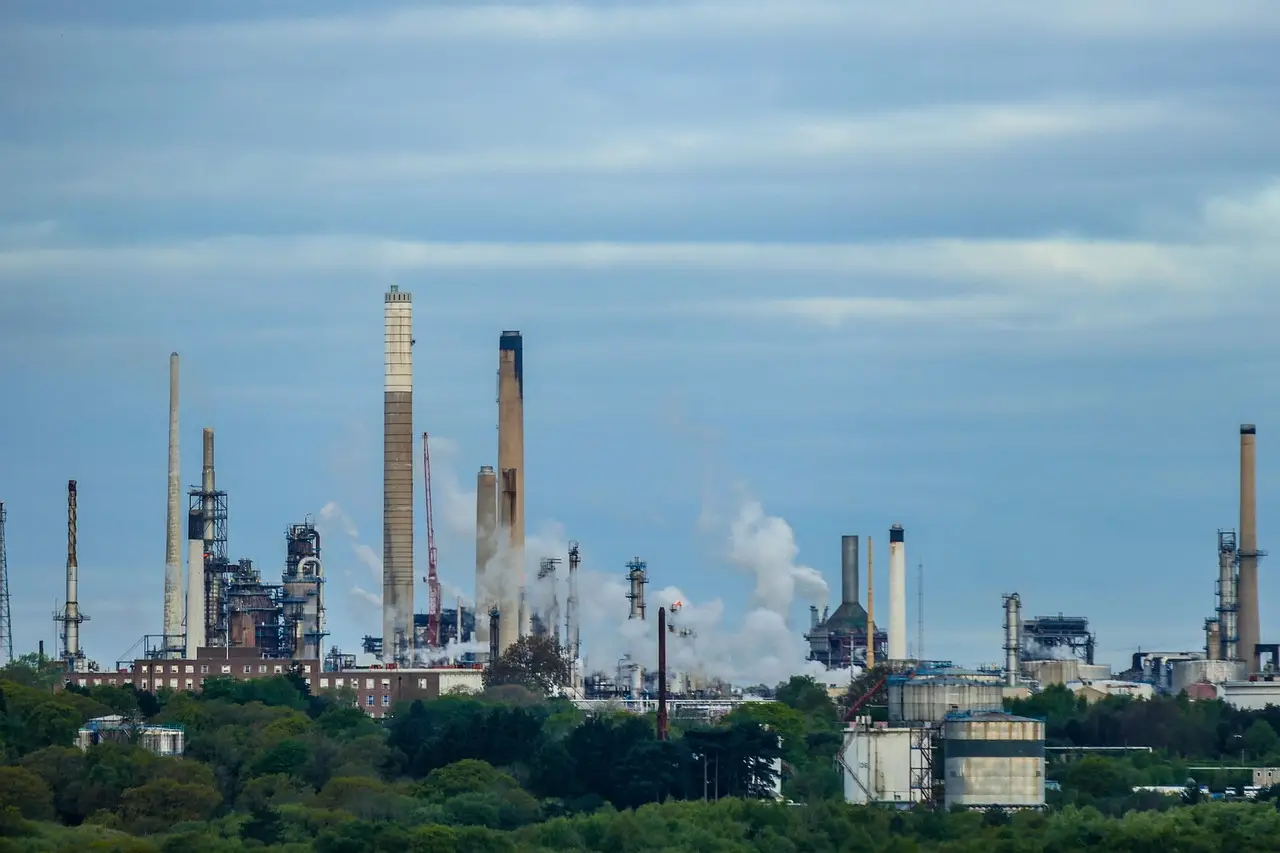
The 550,000 bpd Ras Tanura refinery absorbed another Houthi strike last week, and Brent responded as it always does: up roughly 1 per cent. That is the third hit on the export-critical complex in four years. The pattern is now well established on the trade desk, even if the diplomacy is not.
What happened at Ras Tanura?
The Iran-aligned Houthis struck Saudi Arabia's largest refinery days before the 3 November US mid-term elections. Oil prices rose about 1 per cent, matching the reaction to every prior attack of this type. The refinery is a cornerstone of Saudi crude exports through the Gulf.
The site is no stranger to incoming fire. Houthi drone interception debris caused a fire there in March, and a major drone-and-missile salvo hit the complex in March 2021. Senior security sources in Washington, London and Berlin, cited by OilPrice.com at the time of each incident, say IRGC commanders in Tehran ordered the strikes, with IRGC personnel on the ground in Yemen coordinating. Tehran denies involvement. The takeaway in plain words: the denial is a formality; the attribution is not seriously disputed in Western capitals.
How big is the exposure?
The 14 September 2019 drone and cruise missile attack on Aramco's Abqaiq and Khurais processing facilities remains the benchmark. Those two sites then represented about 50 per cent of Saudi output, roughly 5 per cent of global supply, and the strike spiked world prices by as much as 20 per cent — among the most strategically significant infrastructure hits on record.
The 8 September drone and ballistic missile attacks on Abha, Khamis Mushait, Jazan and Najran repeated the formula. Targets were Aramco energy and economic installations; multiple facilities burned and the Saudi Energy Ministry temporarily halted operations at several key sites. Brent pushed back toward $100 per barrel on that round. Per OilPrice.com analysis, every $10 per barrel move in crude shifts US pump prices by roughly 25-30 cents per gallon, and each cent of gasoline costs Americans more than $1 billion per year in lost consumer spending — the arithmetic Tehran watches as closely as any API report.
Why did the shields fail?
Washington sold the Gulf its THAAD batteries, Patriot systems, early-warning radars and drone fleets precisely for this threat. According to the OilPrice.com account, Iranian strikes early in the US 'Operation Epic Fury', launched 28 February, destroyed or disabled the AN/FPS-132 radar in Qatar, multiple AN/TPY-2 THAAD radars, the AN/TPS-59 radar in Bahrain and a string of MQ-9 Reapers. The uncomfortable conclusion drawn there: the US cannot adequately defend these allies, directly or through the kit it sold them.
What does this mean for chokepoints and buyers?
The analysis attributes to Beijing leverage over the attack campaign itself, via the 25-Year Iran-China Comprehensive Cooperation Agreement, plus influence over Djibouti and Eritrea through Belt and Road lending. Evidence cited: early in the conflict, Chinese-flagged supertankers such as the Cosnew Lake and Xin Long Yang transited the Bab el-Mandeb Strait with millions of barrels of Saudi and Emirati crude, untouched by the Houthis. For charterers and refiners, the observation is blunt — flag choice affects hull risk on the Red Sea route.
The security dimension touches the Abraham Accords and the Makkah Defence Alliance formed on 7 August by Saudi Arabia, Turkey and Pakistan, modelled on NATO's Article 5. Pakistan's Defence Minister Khawaja Asif said his country's 'full military capabilities' would be available under the pact, later clarified as strictly defensive and conventional. After the 8 September and 27 October attacks, the alliance has done precisely nothing. That sentence stands on its own.
The watch item
The trade will track whether Ras Tanura throughput and export loadings hold, whether the Saudi Energy Ministry orders further precautionary shutdowns, and whether Brent's geopolitical premium widens beyond the roughly 1 per cent each strike now reliably adds. Price commentary here is attributed analysis, not desk fact. The next attack date is unknown. The reaction function, regrettably, is not.
via amazon.co.uk (Original)
More from Daniel Okafor
Show full bio
Market editor covering companies, deals and strategy in Oil and gas industry operations and markets at Rig & Refinery.
554 articles
Adjoining reports
- Houthi Attacks Kill Seven in Yemen; Saudi Refinery Targeted
- Drone War Cuts Russian Refining to 1.6 Million Bpd as Fuel Shortage Deepens
- Houthis strike Saudi refinery hours after kingdom signs defence pact
- Saudi East-West pipeline halts flows again after fresh attack
- Houthi Forces Attack Saudi Aramco's Jazan Refinery