Well report No. RR-5636 · T24N · R24W · SEC 12 · filed November 15, 2026
Midstream & PipelinesWell report
Iraq PM Fires Nine Officials Over Pipeline Tapping Worth $30m a Month
Iraq's PM dismissed nine officials, including the Oil Pipelines Company director, over a smuggling network tapping two strategic pipelines south of Baghdad for up to $30m monthly.
Field notes
- Nine senior officials dismissed, including Babil's police chief and the Oil Pipelines Company director
- Smuggling network valued at up to $30m per month, tapping two strategic pipelines south of Baghdad
- Investigation found illegal refineries and satellite-documented pipeline tapping in Jurf al-Nasr, Babil province
- Accused individuals referred to the judiciary on the prime minister's order
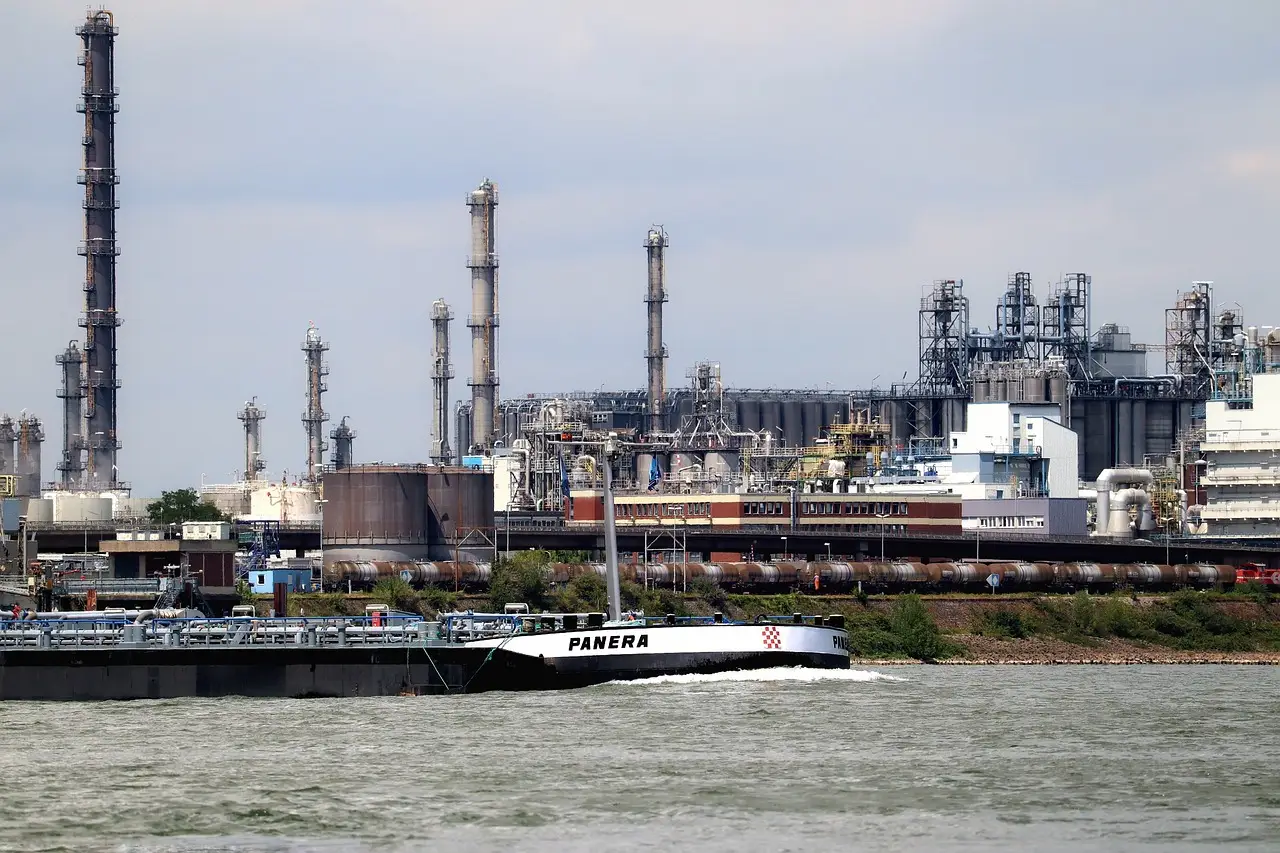
Nine senior Iraqi officials lost their jobs this week over an oil smuggling operation worth up to $30m a month — a network built, according to a leaked intelligence report, by tapping two strategic crude pipelines running south of Baghdad.
Prime Minister Ali al-Zaidi chaired an emergency security meeting to review the findings of an investigative committee before ordering the dismissals, military spokesperson Sabah al-Numan told the Iraqi News Agency (INA). The sackings targeted security and intelligence officers in Babil province, an Interior Ministry commander, and the director of the Oil Pipelines Company at the Ministry of Oil. The police chief of Babil province was among them.
"In light of the investigation's findings, [the prime minister] ordered that all individuals accused of involvement in oil smuggling operations be referred to the judiciary," al-Numan said.
That's the hard edge of the story: the state reaching into a pipeline-theft case and pulling down officials across two ministries at once.
Where was the oil coming from?
The smuggling centred on Jurf al-Nasr, an area of Babil province run as a stronghold of Kataib Hezbollah, an Iran-aligned paramilitary group and one of Iraq's most heavily armed factions.
On Wednesday, INA reported that "intelligence documents" containing satellite images "showed crude oil and oil-derivatives smuggling operations carried out by an armed faction" in Jurf al-Nasr, accusing an unnamed group of tapping into a pipeline there. The investigation also uncovered illegal oil refineries and evidence of manipulation linked to the smuggling.
Al-Numan said the investigating committee "confirmed the accuracy" of the information.
Al Jazeera's Peter Smith, reporting from Baghdad, laid out the mechanics, citing a leaked intelligence report: the two strategic pipelines running through the south of the country, just south of Baghdad, "had effectively been tapped into." "Oil was being siphoned off, stolen, and then sold on the black market in an operation worth tens of millions of dollars every month," he said.
Crude lifted from state pipelines, processed in unlicensed refineries, and sold on the black market — a full informal value chain running inside one province.
Why now, and why this area?
Smith noted that previous Iraqi governments had been careful not to touch an alleged smuggling network of this scale. "This area had effectively been run as a state within a state until now," he said. "But that seems to have changed, with Prime Minister Ali al-Zaidi saying that no inch of Iraq will be allowed to have oil smuggling operations like this."
The confrontation has been building. Kataib Hezbollah has recently issued several sharp statements against the prime minister, threatening his government and accusing him of corruption. Senior Iraqi politicians previously told AFP that al-Zaidi had repeatedly said he was ready to confront groups refusing to disarm.
Akeel Abbas, a senior non-resident fellow at the Iraq Initiative within the Atlantic Council, told Al Jazeera that oil smuggling by political factions and armed groups "is common in Iraq" — but driven by "commercial rather than political or strategic" gains.
In his reading, the crackdown is really about militia disarmament. "The prime minister cleverly decided to frame it as anticorruption. That is why a few days ago, there was a report leaked by the government about this operation," Abbas said. Al-Zaidi wants to "cut off the financial lifeline to this particular group that has been so resistant" to the government's disarmament initiatives, he added.
What happens next?
The accused officials now go to the judiciary, and the prime minister has staked public credibility on the outcome. Every barrel siphoned from those southern lines is a barrel off the state's books in a country where oil revenue is the budget.
The watch item is whether the judiciary follows through — and whether Baghdad can hold the line at Jurf al-Nasr.
via aljazeera.com (Source)
More from Elena Vasquez
Show full bio
News editor covering technology and product news in Oil and gas industry operations and markets at Rig & Refinery.
599 articles
Adjoining reports
- Kataib Hezbollah Denies Iraq Oil Smuggling Charges as Nine Officials Sacked
- Nine Officials Gone: Iraq Targets Oil Smuggling at Jurf al-Sakhar
- Syrian authorities arrest suspects in oil pipeline sabotage
- Amman and Baghdad Press for Basra–Aqaba Pipeline Momentum
- Saudi Pipeline Shutdown Blamed on Iran-Backed Iraqi Militias