Well report No. RR-8363 · T1N · R29W · SEC 1 · filed November 16, 2026
Petroleum MarketsWell report
Kataib Hezbollah Denies Iraq Oil Smuggling Charges as Nine Officials Sacked
Iraq sacked nine officials over alleged oil smuggling at Jurf al-Nasr. Kataib Hezbollah denies the charges, calling the probe fabricated blackmail meant to force its disarmament.
Field notes
- Nine senior Iraqi officials were dismissed on Saturday over alleged oil smuggling at Jurf al-Nasr.
- Kataib Hezbollah on Sunday called the investigation 'fabricated lies' and 'the largest blackmail operation'.
- The probe cited satellite images showing operations in the faction's stronghold.
- The committee referred unnamed implicated parties to the judiciary.
- The US has previously sanctioned Iraqis for blending Iraqi and Iranian oil.
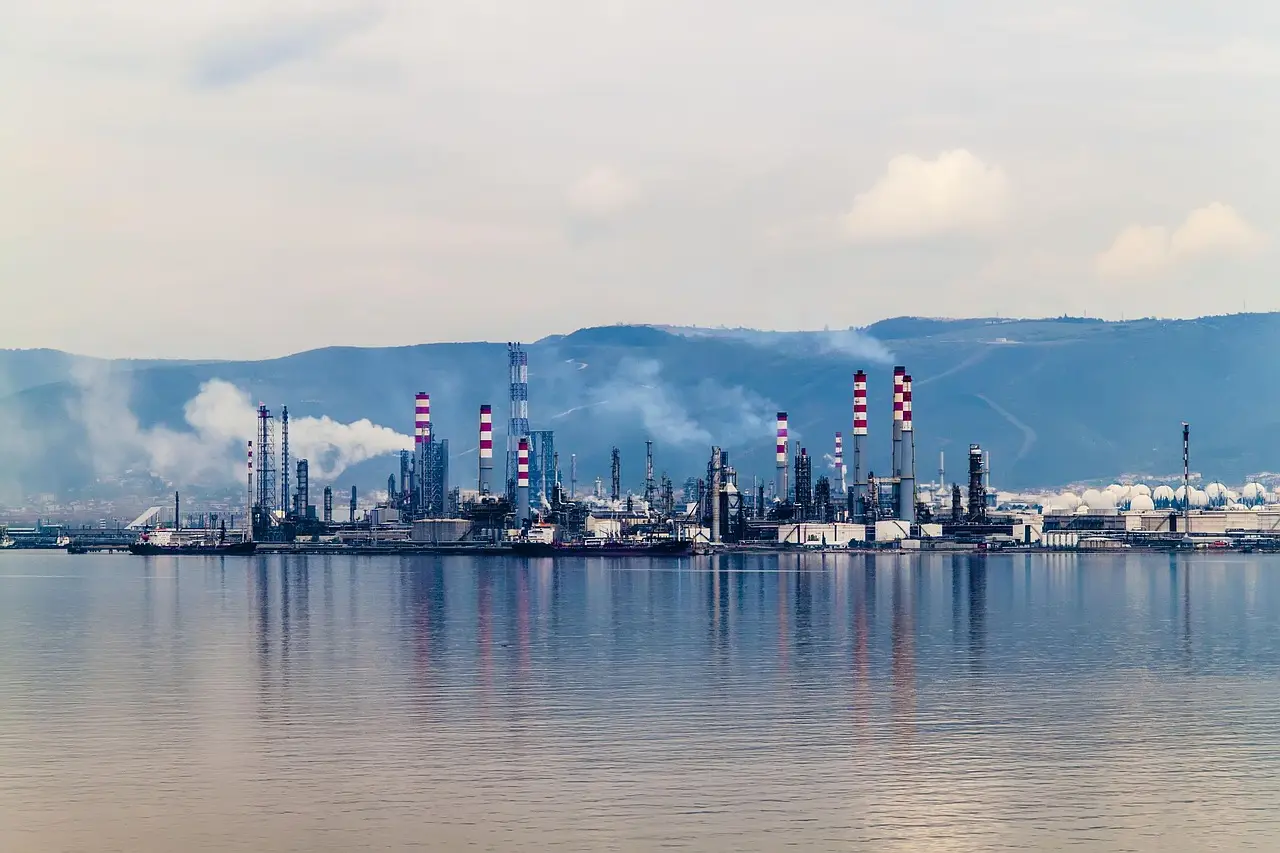
Nine senior Iraqi officials lost their posts on Saturday following an investigation into alleged oil smuggling at Jurf al-Nasr, and the Iran-aligned Kataib Hezbollah faction has now publicly rejected the charges as fabricated.
The group, one of Iraq's most heavily armed factions, issued a statement on Sunday accusing the prime minister's office of "fabricating lies" and of subjecting it to "the largest blackmail operation" aimed at forcing its disarmament.
What did the investigation find?
The probe, chaired by Prime Minister Ali al-Zaidi, confirmed oil smuggling based on what the government described as "intelligence documents" — material that included satellite images showing operations inside the armed faction's stronghold at Jurf al-Nasr, south of Baghdad in Babil province.
The committee ordered those implicated, whom it did not identify, referred to the judiciary. It dismissed nine officials, among them:
- Security and intelligence officers in Babil province
- An Interior Ministry commander
- The director of the Oil Pipelines Company at the Ministry of Oil
The dismissal of the pipelines company director places the case directly inside Iraq's state oil logistics chain, the network that moves crude and refined product between fields, refineries and terminals.
How has Kataib Hezbollah responded?
The faction disputes the findings outright. It said the investigation "found no violations whatsoever of the oil pipelines" and that this "definitively proves that the smuggling allegations are false."
The group also said its members accompanied the committee during its visit to the Jurf al-Nasr area on Friday, one day before the dismissals were announced.
The statement frames the probe as political leverage rather than a corruption case. Kataib Hezbollah has pledged to retain its weapons arsenal and has accused al-Zaidi of caving to pressure from the United States, Saudi Arabia and the United Arab Emirates.
Al-Zaidi has previously promised that non-state armed groups would hand over their weapons to the state.
What is the wider context?
Baghdad has faced increasing pressure from Washington to rein in Iran-aligned groups and curb Tehran's influence in Iraq, a country that counts both the US and Iran as allies.
Iran-aligned groups, including Kataib Hezbollah, have previously targeted US forces in Iraq and have attacked Gulf states since the start of the US-Israel war on Iran in late February.
Washington accuses Tehran of using Iraq's economy to evade sanctions. It has previously sanctioned Iraqi individuals for blending Iraqi and Iranian oil — a practice that muddies crude provenance and exposes downstream buyers to US sanctions risk.
What comes next?
The committee has referred the unnamed implicated parties to the judiciary, so legal proceedings — not just dismissals — are now the operative track. Watch whether prosecutors name individuals, whether the Oil Pipelines Company gets new leadership that audits throughput at the affected segments, and whether Kataib Hezbollah's disarmament standoff with Baghdad escalates.
For now, the smuggling case has become a test of whether Iraq's state institutions can police its oil infrastructure against an armed faction that rejects the state's monopoly on force.
via aljazeera.com (Source)
More from Olivia Hart
Show full bio
Correspondent covering technology and product news in Oil and gas industry operations and markets at Rig & Refinery.
605 articles
Adjoining reports
- Iraq PM Fires Nine Officials Over Pipeline Tapping Worth $30m a Month
- Nine Officials Gone: Iraq Targets Oil Smuggling at Jurf al-Sakhar
- Syrian authorities arrest suspects in oil pipeline sabotage
- Saudi Pipeline Shutdown Blamed on Iran-Backed Iraqi Militias
- Iraq Targets Year-End Close on Syria Pipeline Negotiations