Well report No. RR-8375 · T23N · R5W · SEC 35 · filed November 14, 2026
Midstream & PipelinesWell report
UN Counts 25 Seafarer Deaths in Hormuz as Tanker Traffic Runs 65% Below Pre-War
UN figures show 25 seafarers dead and 136 security incidents around Hormuz since February, as UKMTO reports traffic 65 percent below pre-war levels.
Field notes
- At least 25 seafarers killed in and around Hormuz from February through November 11, per UN figures
- IMO tracked 136 security incidents from March 1 to November 11; October was the worst month with 35
- Three oil tankers hit mines and caught fire on Saturday, per Iranian authorities
- Hormuz shipping traffic is about 65 percent below pre-war levels, UKMTO reports
- Iran says the strait stays closed until the US lifts sanctions, releases frozen funds and ends the war
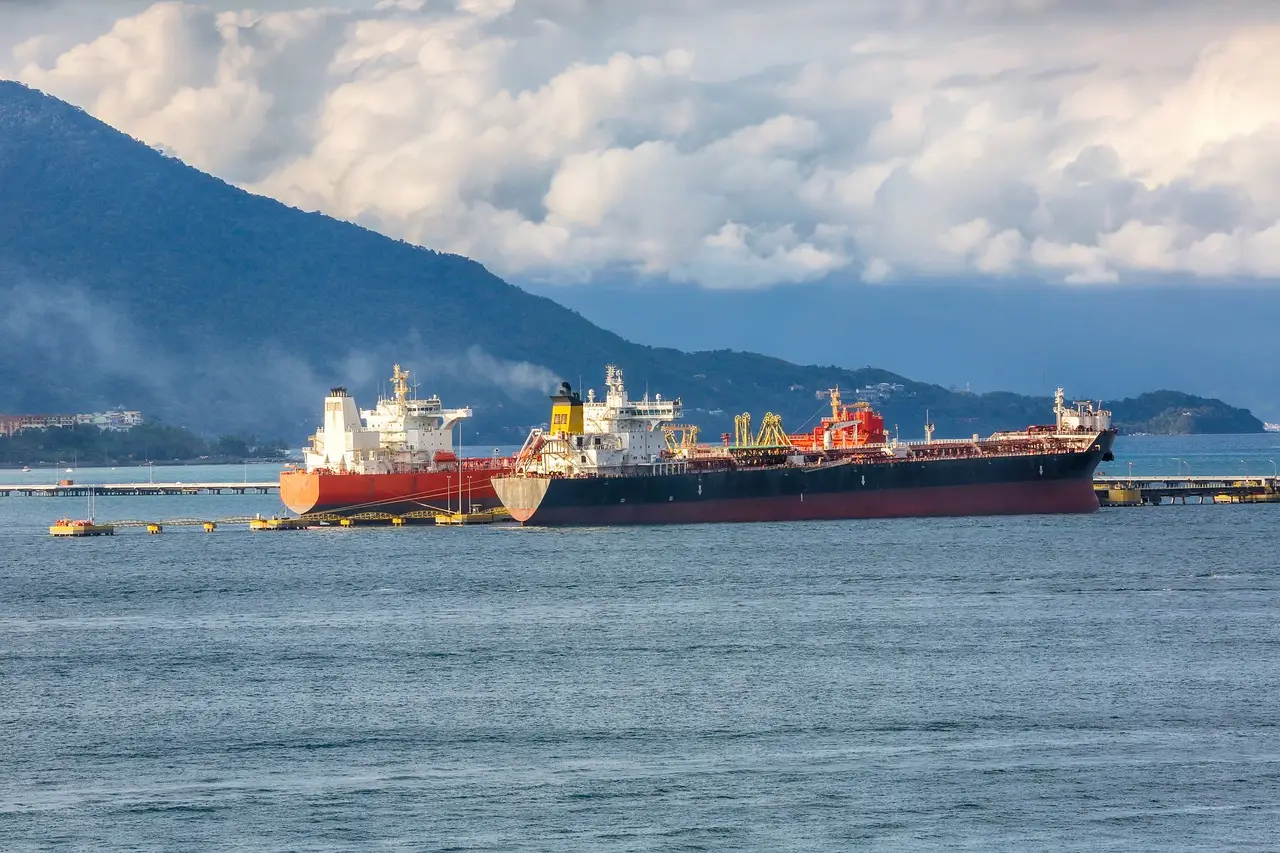
At least 25 seafarers have died in and around the Strait of Hormuz since the US-Israeli war on Iran began in February, according to figures a senior UN official presented to the Security Council on Friday.
Khaled Khiari, assistant secretary-general for the Middle East, Asia and the Pacific, gave the tally covering the period through November 11. The number anchors a worsening picture for the chokepoint that normally carries a fifth of the world's oil — and it comes with a warning.
"This situation cannot be allowed to become the new normal," Khiari told the council, urging "the full restoration of maritime navigation in the region."
How bad is the incident count?
The UN's International Maritime Organization tracked 136 security incidents involving vessels in Hormuz and the wider Middle East between March 1 and November 11. The pace is accelerating, not stabilising.
- October recorded 35 incidents — the highest monthly tally since the conflict started
- November has already logged 10 incidents in its first 11 days
- Security events in and around the strait have risen month over month
"Every day brings new reports of maritime incidents," Khiari said. "These incidents are unacceptable. Civilian vessels and commercial shipping must not become targets."
What happened to the three tankers?
Iranian authorities reported on Saturday that three oil tankers hit mines and caught fire while transiting what Tehran calls "unauthorised" or "restricted" areas of the strait.
The Islamic Republic has demanded that vessels receive Iranian approval before crossing the waterway for the duration of the conflict, and it has repeatedly attacked ships it accuses of violating that protocol. Iran's navy did not mince words in a statement carried by the IRIB broadcaster: "Any offending tanker that travels in the restricted area east of the Strait of Hormuz will be set on fire by hitting naval mines."
The US military tells a different story about the waterway's condition. It says it has cleared the strait's main routes of mines and that the channel is open for commercial shipping.
What does each side want?
Iranian officials say the strait stays closed until Washington meets a set of demands:
- An end to the US naval blockade of Iran's ports
- The lifting of economic sanctions
- The release of Iranian frozen funds
- An end to fighting on all fronts
- An explicit announcement that the war is over
Until then, the shipping numbers tell their own story. Traffic through the Strait of Hormuz is running roughly 65 percent below pre-war levels, according to the latest report from the United Kingdom Maritime Trade Operations (UKMTO).
Why it reaches your pump and your port
Khiari framed the economics in blunt terms for the council. "The present maritime arrangements in the Middle East remain costly, unpredictable, and unsafe," he said.
The knock-on effects, in his telling, run wide: "Disruptions to maritime navigation continue to have significant global economic consequences, driving up energy, transport and insurance costs, fuelling inflation and threatening food security amid severely constrained fertiliser shipments."
For charterers and refiners, that translates into the practical arithmetic of wartime routing — longer voyages, costlier hull cover, and cargoes that now trade on the assumption that the shortest lane between the Gulf and open water may not be available at all.
The watch item is simple and hard: whether the strait's main lanes reopen to something like pre-war volumes, or whether October's record incident count marks the floor rather than the ceiling.
via aljazeera.com (Source)
More from Elena Vasquez
Show full bio
News editor covering technology and product news in Oil and gas industry operations and markets at Rig & Refinery.
580 articles
Adjoining reports
- Hormuz conflict has killed 25 seafarers, IMO records show
- Hormuz Flows Rebound to 11.7 Million Bpd, Yet Tanker Strikes Keep Prices Bid
- Oil Holds Near $115 as Hormuz Attacks Test Market Before Midterms
- Twelve Vessels Hit in a Week as Iran Intensifies Strait of Hormuz Strikes
- Brent Near $118 as Markets Brace for US-Iran Clash and Volatile Week