Well report No. RR-7351 · T11N · R11W · SEC 35 · filed October 10, 2026
Gas & LNGWell report
LNG Canada Hit With $50,000 Fine Over Underwater Noise Monitoring
LNG Canada has been fined $50,000 over underwater noise monitoring failures during tug terminal construction at its Kitimat export project, CBC reported.
Field notes
- LNG Canada fined $50,000 over underwater noise monitoring during tug terminal construction.
- The penalty concerns the monitoring programme itself, not a reported noise exceedance or environmental release.
- CBC first reported the fine tied to marine works at the Kitimat, British Columbia export facility.
- LNG Canada's partners include Shell, Petronas, PetroChina, Mitsubishi and Korea Gas Corporation.
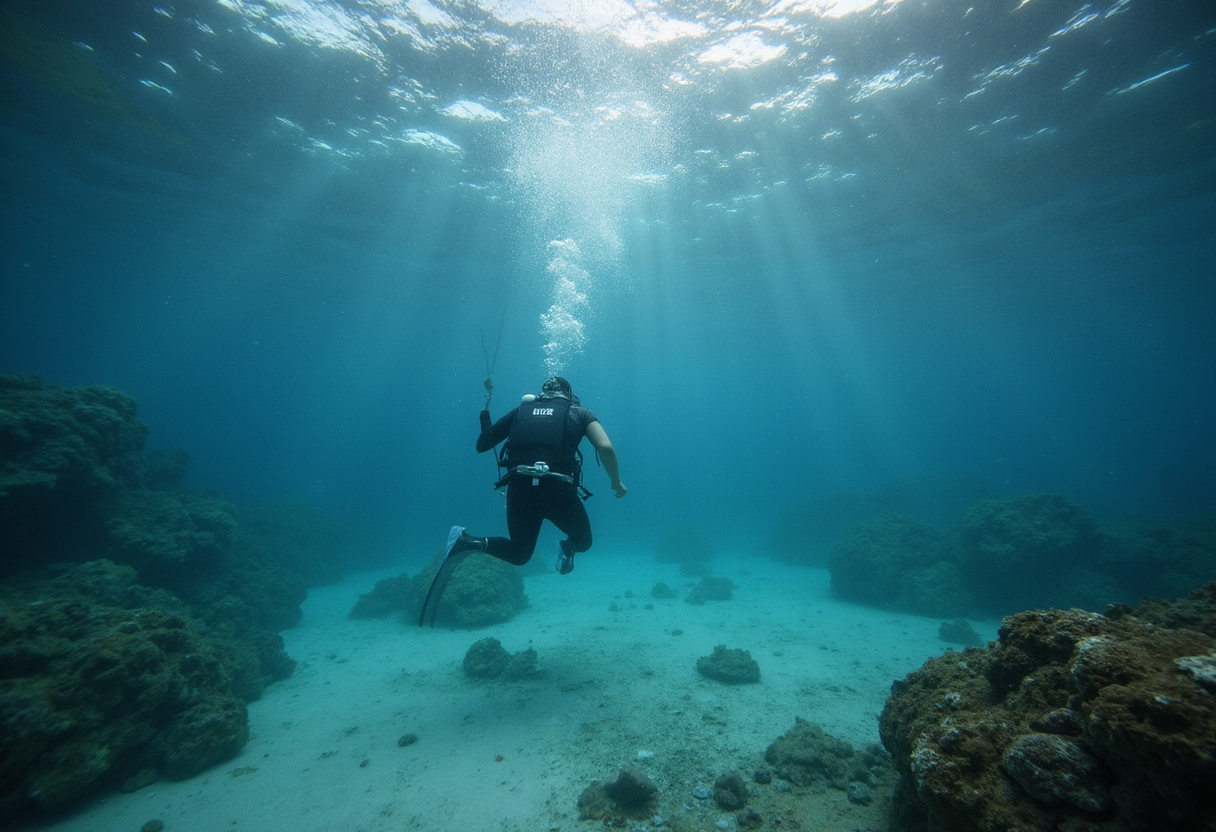
LNG Canada has been fined $50,000 over failures in underwater noise monitoring during construction of a tug terminal serving its British Columbia export facility, according to a CBC report.
The penalty lands on the largest liquefied natural gas export project in Canada and centres on one of the most closely watched compliance issues in coastal construction: how much noise marine works push into the water column, and whether the operator is measuring it as required.
What does the fine cover?
The $50,000 penalty relates to underwater noise monitoring obligations tied to tug terminal construction. Underwater noise is a regulated parameter during inshore and nearshore works because pile driving, dredging and vessel activity can raise sound pressure levels that affect marine mammals, most notably whales, which rely on sound to navigate, feed and communicate.
For a project of LNG Canada's scale, regulators typically impose conditions requiring the operator to run a monitoring programme — hydrophones, observation protocols and thresholds that trigger work stoppages or mitigation measures when noise levels climb too high. A fine of this size indicates the authorities concluded the monitoring regime was not executed as required during the tug terminal works, rather than that a specific noise incident harmed marine life.
CBC first reported the penalty. LNG Canada did not dispute that the fine was issued in connection with the tug terminal construction phase, the CBC report said.
Why does this matter for a megaproject?
LNG Canada is the anchor of Canada's LNG export ambitions, and its marine infrastructure — the berths, tug operations and shipping channels that support carrier loading — carries some of the project's densest permitting conditions. Tug terminals are small in capital terms next to the liquefaction trains themselves, but they sit squarely in the nearshore zone where environmental thresholds bite hardest.
A $50,000 fine is immaterial to the balance sheet of a consortium that includes Shell, Petronas, PetroChina, Mitsubishi and Korea Gas Corporation. What carries weight is the compliance signal. Repeat or escalating infractions during marine works can slow subsequent phases, tighten conditions on future permits, and invite closer scrutiny from regulators and coastal First Nations who monitor construction effects on the Douglas Channel and its marine environment.
Noise compliance has become a routine cost line for coastal energy construction across North America. Operators on both the Pacific and Gulf coasts now budget for hydrophone arrays, marine mammal observers and shutdown protocols as standard practice during pile driving and dredging campaigns.
How does LNG Canada respond?
The company has framed the penalty as a matter of process around the monitoring programme during the tug terminal build rather than an environmental release or a safety event, according to the CBC account. The fine follows the completion of the relevant construction activity at the tug terminal.
Operators in this position typically review monitoring subcontracting, data-logging and reporting chains after such a penalty, since the root cause of underwater noise infractions is often documentation and transmission gaps rather than the physical works themselves.
What is the watch item?
The watch item is the regulatory follow-through: whether Fisheries and Oceans Canada or other permitting authorities attach additional conditions to LNG Canada's future marine construction and shipping activities, and whether the operator's noise monitoring record stays clean as vessel traffic through the channel scales up with exports.
For contractors and compliance teams watching from other basins, the case is a reminder that monitoring obligations are enforceable in their own right. The fine was issued for a failure in measurement and reporting during tug terminal construction — not for any measured exceedance of noise thresholds — which places the burden squarely on execution of the compliance programme itself.
CBC reported the story; the specific issuing authority, the date of the penalty and the precise monitoring conditions at issue are detailed in its report.
via Google News: LNG export terminals (Source)
More from Elena Vasquez
Adjoining reports
- LNG Canada fined C$50,000 over underwater noise monitoring at Kitimat tug terminal
- LNG Canada Plans to Double Output at British Columbia Terminal
- Canada's First Major LNG Terminal Eyes Capacity Doubling
- Proposed West Coast Pipeline Project Moves Toward Definition
- LNG Canada Expansion Gets Green Light Amid Warnings